



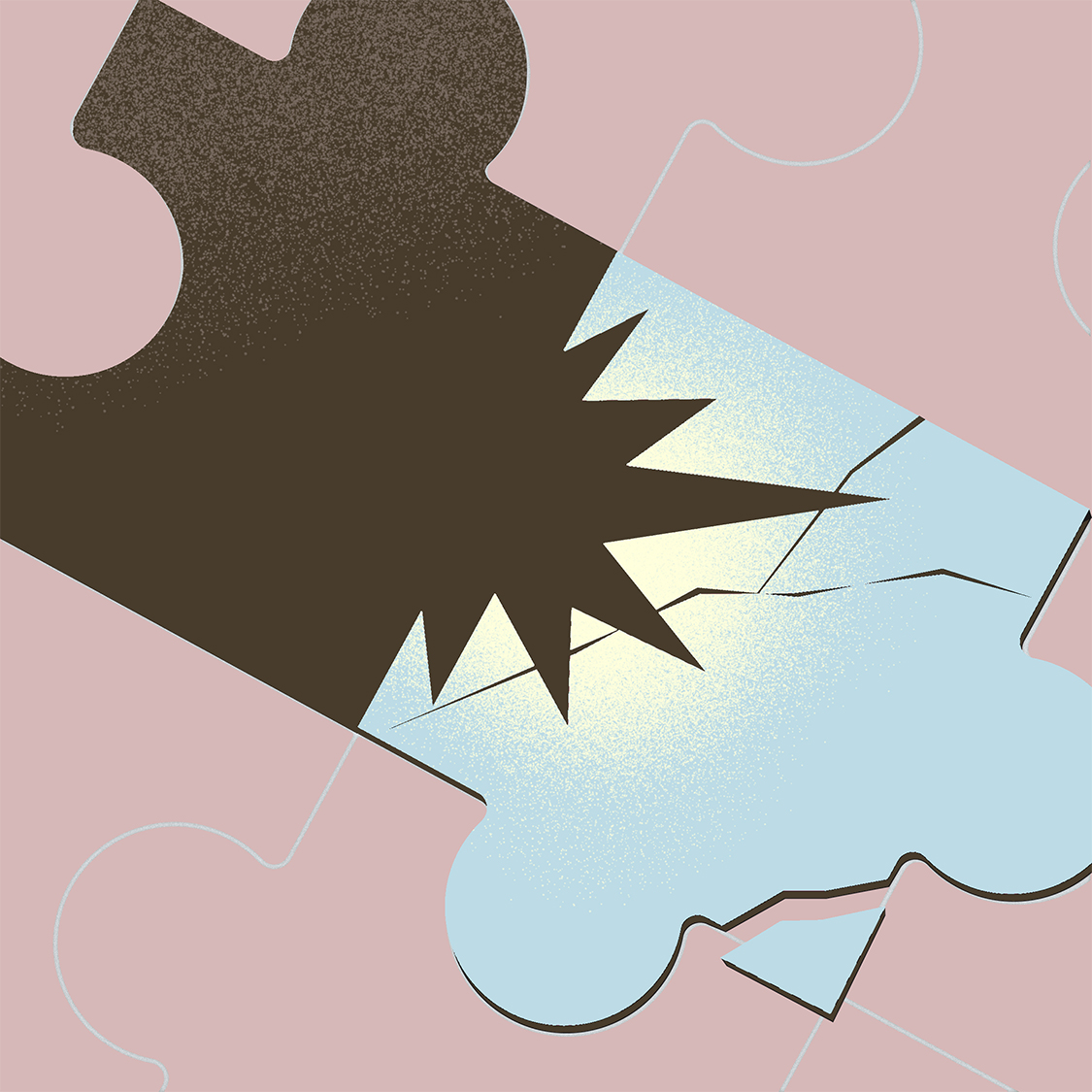
Unconventional Relationships: Escape, Healing, and the Search for Love

Editor’s note: This bonus episode comes fromHiShow, Episode 96, first released on June 18, 2026 under the title “096. Talking with Cao Xuemin | How Can You Tell Whether a Relationship Should End?”
Do you unconsciously make frantic sacrifices in a relationship, give everything, and even abandon your dignity to keep someone, while reassuring yourself that “it is all because of love”? Are you longing for intimacy or trapped in invisible control?
This bonus episode is a conversation between Zhuzi and Xuemin onthe podcast HiShow. Beginning with Xuemin’s books The Psychology of Breakups and Why We Stopped Loving, they unpack invisible struggles for power in intimate relationships: how childhood trauma shapes masochistic emotional patterns; who has more or less power; and how power is defined through not only money but dignity, desire for love, attitudes toward sex, and intergenerational conflict.
P.S. Besides listening to HiShow, you can watch this episode on its video channels onXiaohongshu/Douyin.
🎙️ Guests
Zhuzi | Host of the podcastsHiShowand Sneeze, founder ofTR She Is Hot; Xiaohongshu@HelloZhuzi; Weibo@HelloZhuzi; Bilibili@HelloZhuziV; WeChat official account @HelloZhuzi
Cao Xuemin | Counselor with a PhD in psychology from Fudan University; author of Why We Stopped Loving and The Psychology of Breakups; lecturer for the Vistopia programs Abnormal Relationships and When Love Ends
💬 Topics
The story behind the publication of Xuemin’s The Psychology of Breakups
Does a reconciliation obtained by pleading become a degraded relationship of unequal power?
How did people’s pursuit of intimacy change over ten years?
Can rushing to define a relationship obscure the whole picture?
Why is entering a relationship increasingly difficult: are options scarcer, or are people more clear-eyed?
How does the assumption of “true love” conceal real feelings and ugly truths?
How much does family of origin influence an extreme relationship?
How can you know whether you carry trauma, and how can you face it?
Why can loneliness become a dead end? Our tolerance for “having no relationship”
Is intimacy harder for more independent people?
Can being alone feel sufficient? A calm brain and a positive cycle
Does a lasting, stable relationship require a grateful partner?
What is “power” in intimacy? Irreplaceable dependence
Behind self-destructive courtship: power relations or personality disorder?
What is wrong with using extreme emotional experience to prove self-worth?
Distinguishing self-respect, inferiority, and narcissism: “I am here, and that is good enough”
How can self-love and boundaries be made clear in intimacy?
Why are women more likely to serve another’s satisfaction through a spirit of “devotion”?
Is “I want to give” really my own thought?
The role of sex in intimacy and power structures
Must marriage equate fidelity in love with sexual fidelity?
Passion versus long-term stability: which is love?
How do public opinion and ideas shape structures of power?
Does “whoever has more power” mean “whoever dares to leave”?
Sometimes is it not love that moves us, but the freedom and satisfaction of breaking a power structure?
How should we understand struggles for power in the “Chinese family”?
Why are we afraid to leave, and how do we gain the freedom of being able to leave?
📪 Mailbox
HiShow also has a listener mailbox: hishowquestions@gmail.com
If you would like to share your story or discuss a question with Zhuzi, send it to this address. Zhuzi responds from time to time.
2026.08.07
Audio in Chinese
Related programs

Love and Fear: The Dilemmas and Possibilities of Marriage Today
How can we reimagine intimate relationships?
¥98.00
Included with membership

When Love Ends: The Infinite Life Reading List, Season 18
What Is Left to Say About Love?
¥48.00
Included with membership

Love and Pain: 30 Attempts to Break Free from Hurt
Move beyond instinct and understand harm committed in the name of love
¥128.00
Included with membership