



Classics of Our Century: A Film History of the Twenty-First Century in the Making

Listening Guide
What kind of story does Werckmeister Harmonies tell?
László Krasznahorkai’s source novel The Melancholy of Resistance.
Its alternative translated title, The Imperfect Harmony.
The contrasting phases of Béla Tarr’s career.
Werckmeister temperament.
How the film condenses and adapts the novel.
The film’s ending.
Selected Quotes
Lao Ma: Why did the film not retain the novel’s title, The Melancholy of Resistance? I think that title points to the central event—resistance, riot, and social collapse—and to the psychology of a crowd. Tarr sought a more abstract sensation, a metaphor for cosmic order. Why has order fallen out of tune? That is philosophical, not merely social.
Ah Wu: One view divides Béla Tarr’s work into early and late periods, with Damnation as the boundary.
Related Works
The Melancholy of Resistance, a 1989 novel by Hungarian writer László Krasznahorkai and the source for Tarr’s Werckmeister Harmonies.
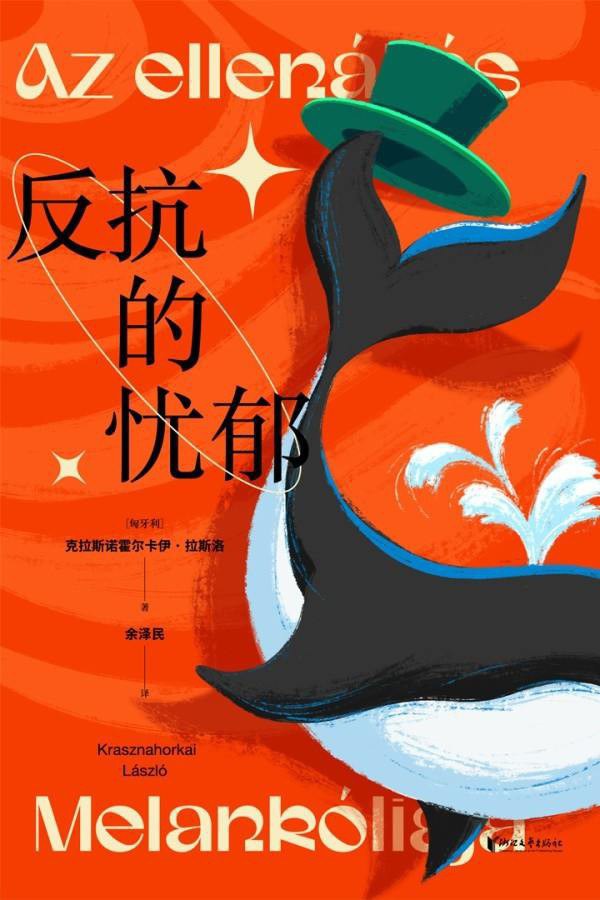
The novel The Melancholy of Resistance
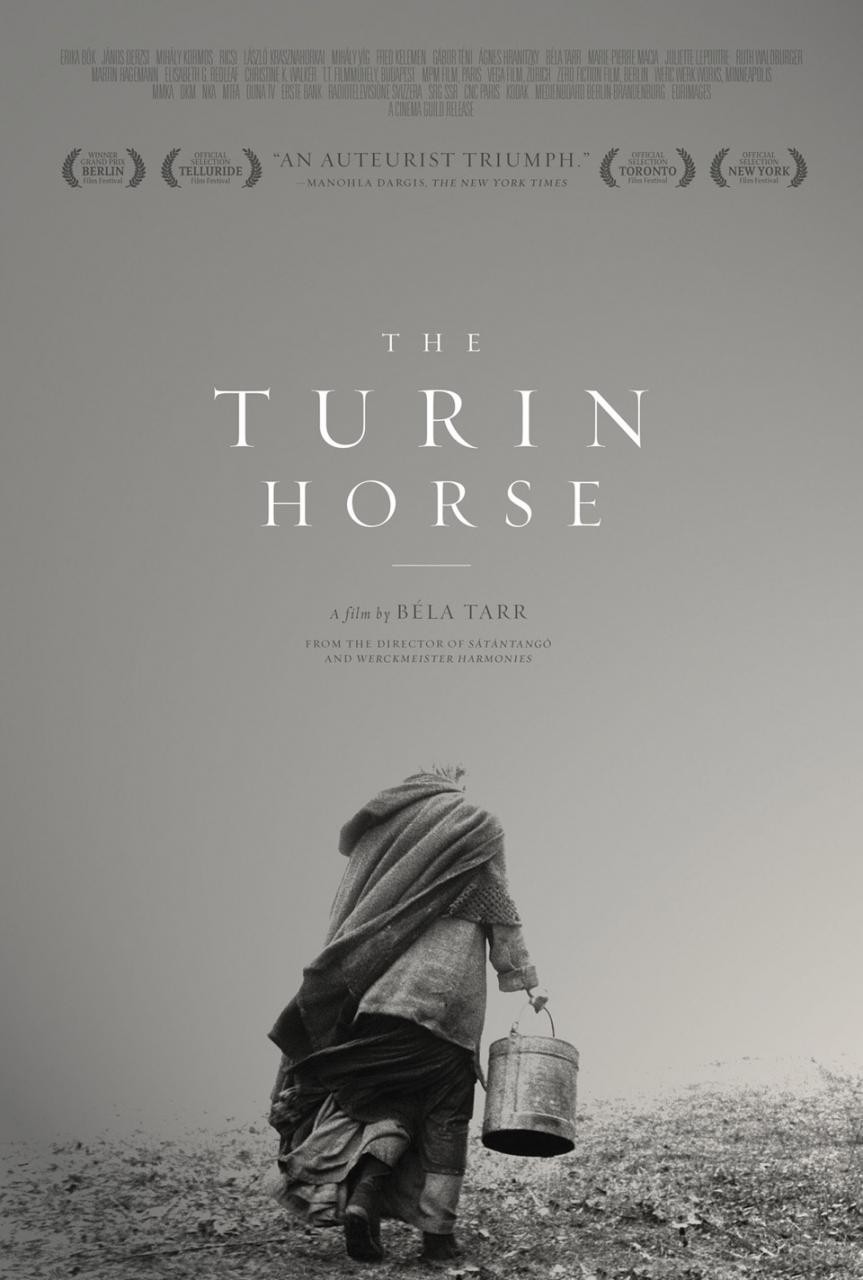
The Turin Horse (A torinói ló), released in 2011
2026.08.20
Audio in Chinese
Related programs

For Chinese-Language Cinema
4,000 minutes presenting a complete contemporary history of Chinese-language film
¥249.00
Included with membership
Goodbye to Language: A Decade at Cannes
No institution is secure forever; Cannes faces many challenges
Free
On the Way to the Cinema
A Course in Watching Film
¥78.00
Included with membership