



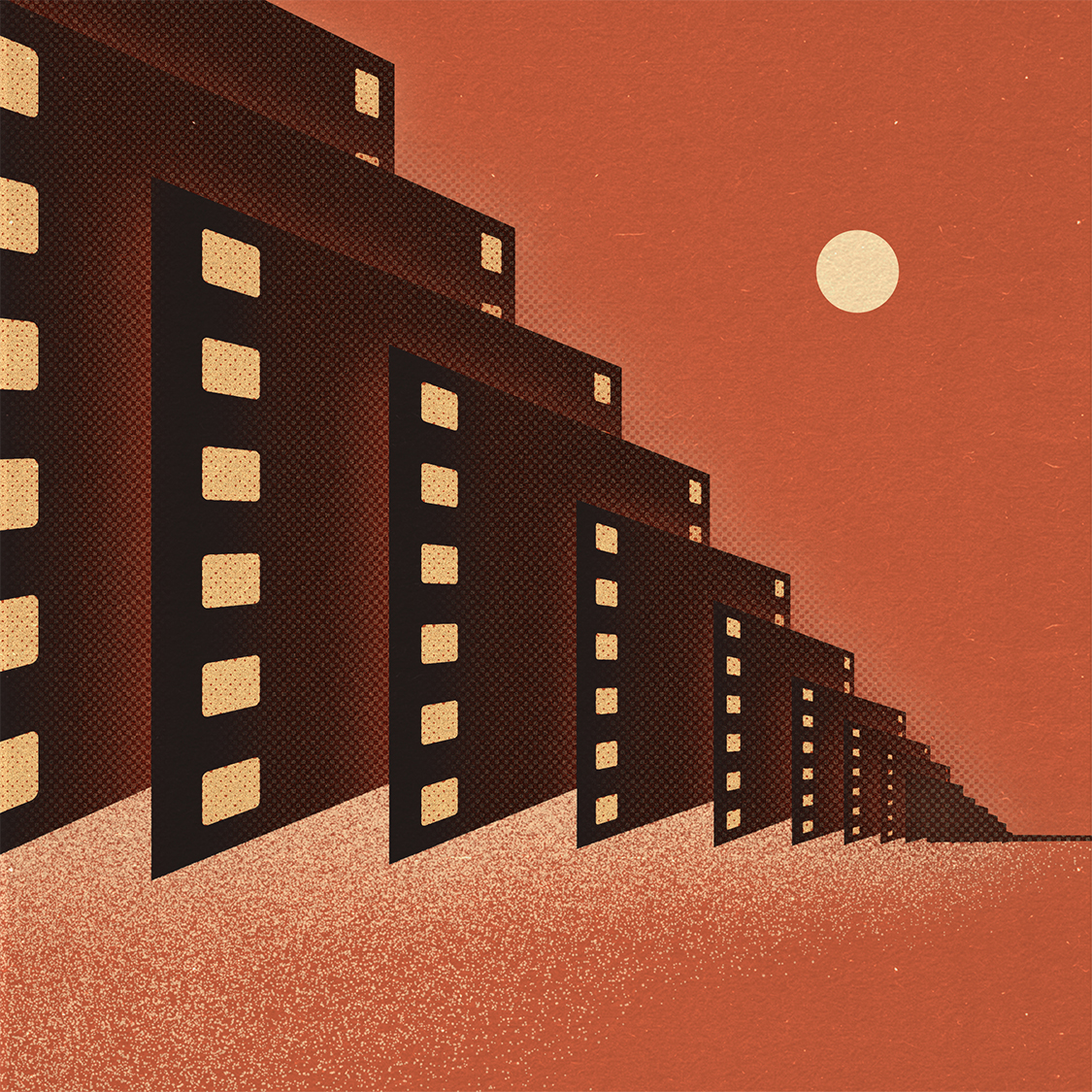
Classics of Our Century: A Film History of the Twenty-First Century in the Making

Listening Guide
1. Bourne’s contribution was not merely fast cutting but a new audiovisual style for action cinema.
2. Bordwell on Bourne: the shots are not simply short; they deliberately prevent a clear view.
3. Eleven shots in the third film’s first fifteen seconds: fragmented editing mirrors Bourne’s fractured memory and identity.
4. From glimpses to interruptive cuts: how Greengrass forcibly directs the viewer’s gaze.
5. By withholding complete actions, Bourne gives every blow greater impact.
6. What Eisenstein and Hong Kong action cinema contributed to its editing.
7. Why the Waterloo Station cat-and-mouse game is among the trilogy’s finest sequences.
8. When fast cutting fails: why the car flying backward from a garage in the finale becomes confusing.
9. Why kali’s close-range method suits many short shots.
10. Edit blindness: why viewers instinctively overlook cuts and mentally complete a leap.
11. Fragmented fast cutting becomes tiring; action still needs inventive plotting.
12. Why Bourne should have ended with the trilogy, and what goes wrong in films four and five.
13. Amnesia, atonement, then truth: the first three films complete Bourne’s story.
14. Why Bourne and Infernal Affairs were both miracles of spy cinema in 2002.
15. Commercial action is more than thrills; it can make audiences question states, heroes, and justice.
16. How entertaining genre films can rewrite old rules and create something new.
17. Next: Kill Bill and the history of genre’s own rules.
2026.08.27
Audio in Chinese
Related programs
Great Films of the 21st Century
Escape the Old Lists and Recognize a New Century of Cinema
¥98.00
Included with membership
For Chinese-Language Cinema
4,000 minutes presenting a complete contemporary history of Chinese-language film
¥249.00
Included with membership
The Story Convenience Store, Season 3: A Season of Reunion
Stories Call Us Back to Embrace and Reunion
¥98.00
Included with membership