




New Perspectives and Critiques in History: A Decade of Selected Books, 2016–2025 | Special 04

Hello, I’m Zhang Xiangrong. Welcome to the reading series New Knowledge and Criticism in History.
I explore and practice historical writing. I wrote the nonfiction histories Auspicious Omens: Wang Mang and His Era and Eve of the Three Kingdoms, and a children’s historical-fiction series for my daughter. With translator Lu Dapeng, I also host the comparative history podcast Strange Things on Xiaoyuzhou.
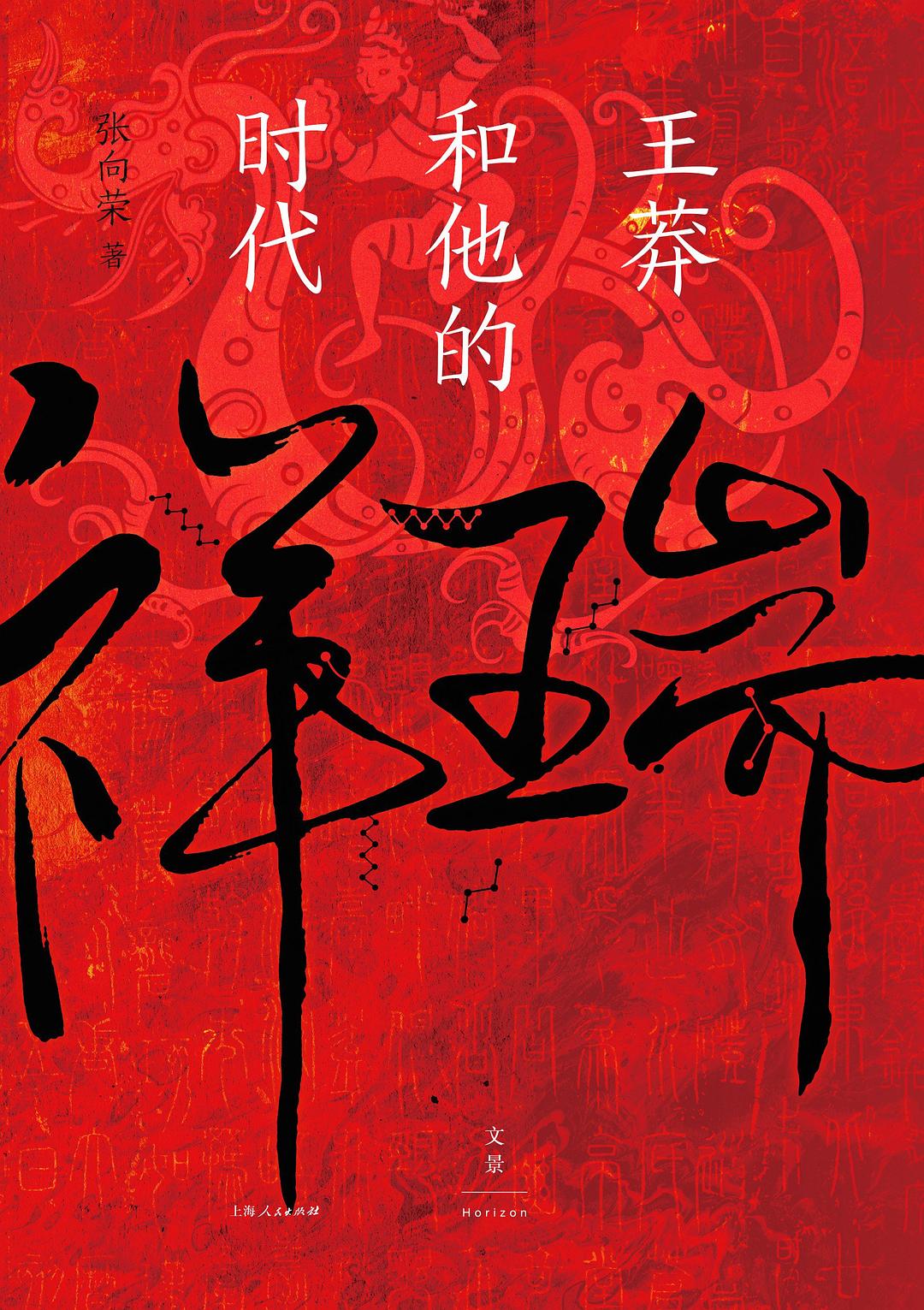 Auspicious Omens: Wang Mang and His Era, Zhang Xiangrong, Shanghai People’s Publishing House, 2021
Eve of the Three Kingdoms, Zhang Xiangrong, Shanghai People’s Publishing House, 2024
From undergraduate study through my doctorate I studied Chinese literature, but my teachers insisted we cross disciplinary boundaries. Zhang Zhidong offered a maxim:‘Classics grounded in philology are credible; history grounded in classics is credible; philosophy grounded in classics and history is credible; literature joined with classics and history is useful; statecraft joined with classics and philology achieves greatly.’It is excellent and nearly impossible, but it dissolved disciplinary borders for me.
Second, after graduation I spent fifteen years in banking. I achieved little economically but learned how society works and met people across industries. This reactivated my student reading until I felt thatmany figures in ancient literature and records still live today, merely wearing different clothes.。
For more than a decade I wrote these connections between books and reality, from reviews to long essays and historical nonfiction, supported by reading without boundaries or utility.That movement between ancient classics and modern society is scholarship becoming public—putting history to use.This does not mean a general history of China. It replaces the classics in the old phrase ‘study classics for practical use’ with history, describing both public history today and the century since history assumed the practical role of collapsed classical learning after the imperial examinations ended.
The title New Knowledge and Criticism in History reflects why public history became popular: where political criticism and investigative journalism were absent, demand for public discussion shifted toward history and nonfiction, much as earlier decades saw booms in aesthetics and literature.Public history therefore spreads new knowledge and also voices public criticism.
This reading list organizes my last decade of reading; grandly, it joins theory and practice; formally, it presents my view of public history.By public history I mean history for ordinary readers: useful, interesting, and humane, without sinking into cheap allegory or nihilism.
It includes historical fiction, nonfiction, film, video, podcasts, games, museums, heritage, lectures, and tours. This list focuses on books within the flourishing of 2016–2025, when public history spread new research, inspired young interest in history and museums, strengthened collective confidence, and offered subjects and views for public debate. Let us begin with one such subject.
In February 2016, as Trump first took office and WeChat Pay spread, readers learned that American scholar Philip A. Kuhn had died. His Soulstealers: The Chinese Sorcery Scare of 1768 returned to attention.
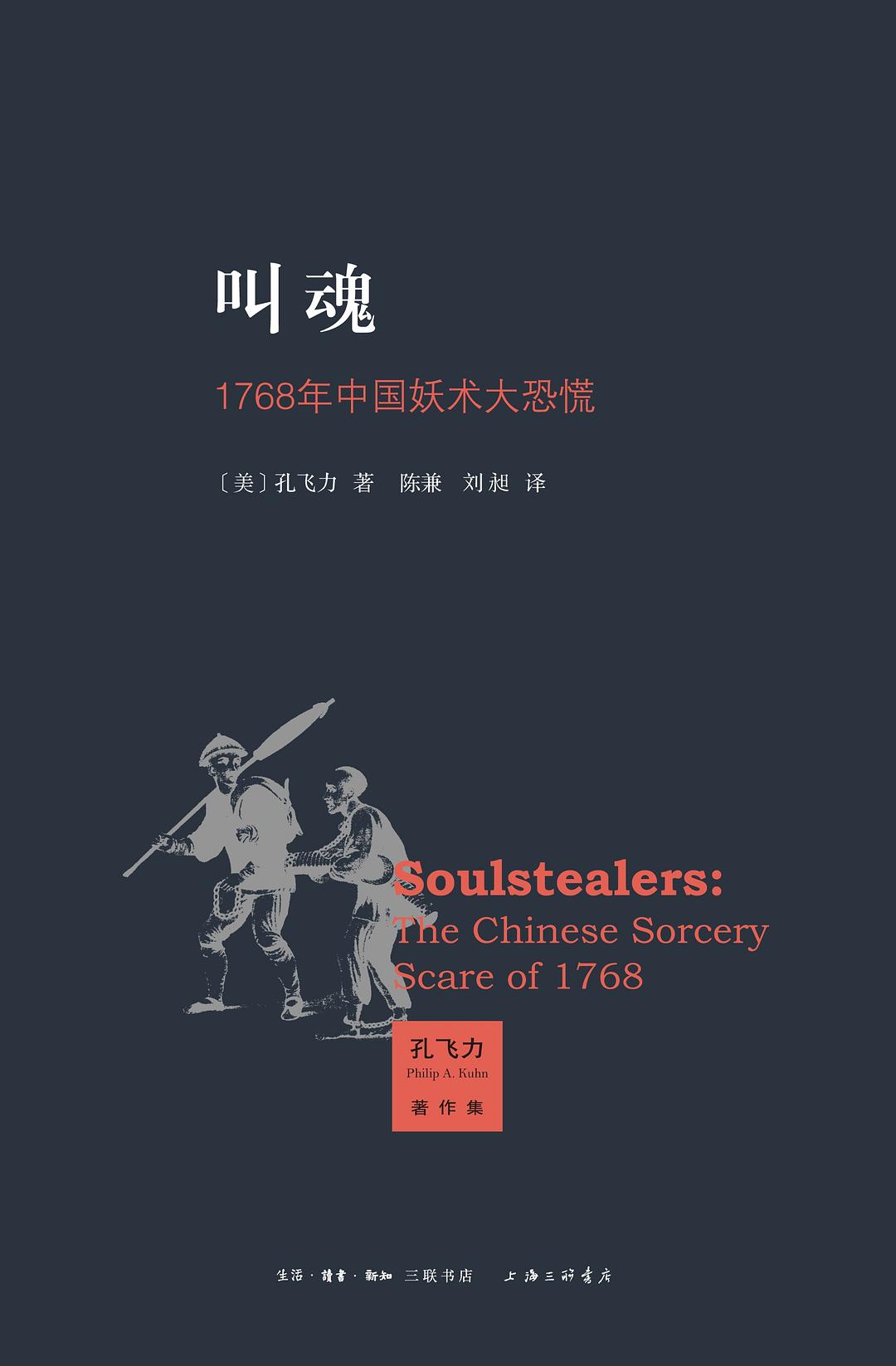 Soulstealers: The Chinese Sorcery Scare of 1768, Philip A. Kuhn, SDX Joint Publishing, 2012
Kuhn was a Harvard professor and former director of the Fairbank Center. Research in Beijing’s First Historical Archives in 1984 led to Soulstealers in 1990. Its 1999 simplified-Chinese edition influenced scholars but not yet public history.
A 2012 reissue became a sensation and introduced me to Kuhn and translator Chen Jian. It has been repeatedly printed; by June 2026 more than fifty thousand Douban users marked each of two editions read or reading, and it ranked 104th in Douban’s Top 250 books. Actual sales were surely remarkable.
Why did an academic monograph sell so widely?Like Ray Huang’s 1587, A Year of No Significance in the 1980s, it broke old forms and established new ones.The book follows rumors that sorcerers stole souls through hair clippings. Panic spread from Jiangnan across provinces; people seized drifters and the Qianlong emperor ordered investigations, though no sorcery was proved. Innocents suffered, while Kuhn exposed anxiety beneath prosperity and conflict between imperial power and bureaucracy.
Scholars valued its archival method and account of Qing power. General readers recognized rumor psychology, online misinformation, and struggles between senior and middle management, all presented in readable prose.
Its success showed writers that readers had changed. Simple translations of official history, archival gossip, and veiled allegory no longer sufficed. Growth, education, and wealth created educated readers with resources and demand for social science; authors could not remain still.
It also showed how scholarship can convey new arguments clearly to broad readers. Every book has its fate, publishers say, but perhaps fortune favors prepared books.
How does this relate to our decade’s selections? Not only because Kuhn died at its beginning. I believeSoulstealers is a metaphor whose themes reveal the decade’s public-history books and generate our list:
Episode one discusses Ma Boyong, historical fiction, and The Longest Day in Chang’an. Why is he visible while many excellent novelists are not? What has changed in historical fiction, and why can scholarship sometimes offer more narrative pleasure?
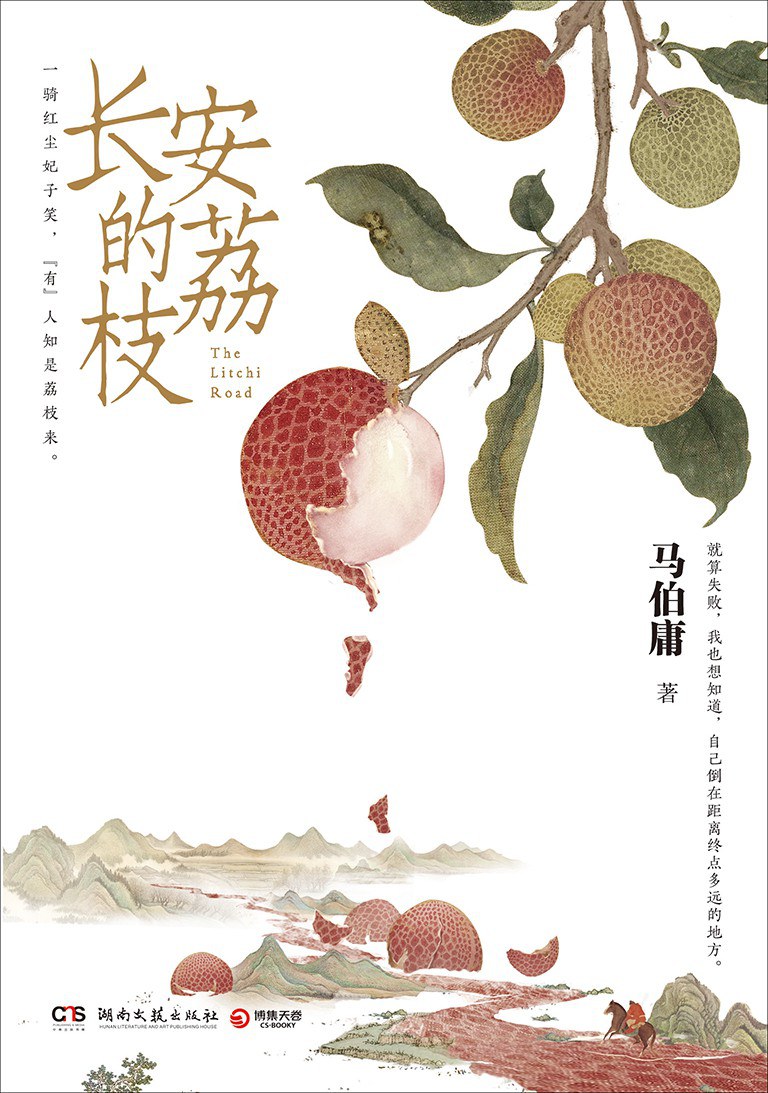 The Lychees of Chang’an, Ma Boyong, Hunan Literature and Art Publishing House, 2022
Episode two examines historical nonfiction through Zhou Sicheng’s The Fall of Three Capitals. If Soulstealers is also historical nonfiction, what defines the form—public character, readership, or subject? Why did it flourish, and is it merely a marriage of literature and history?
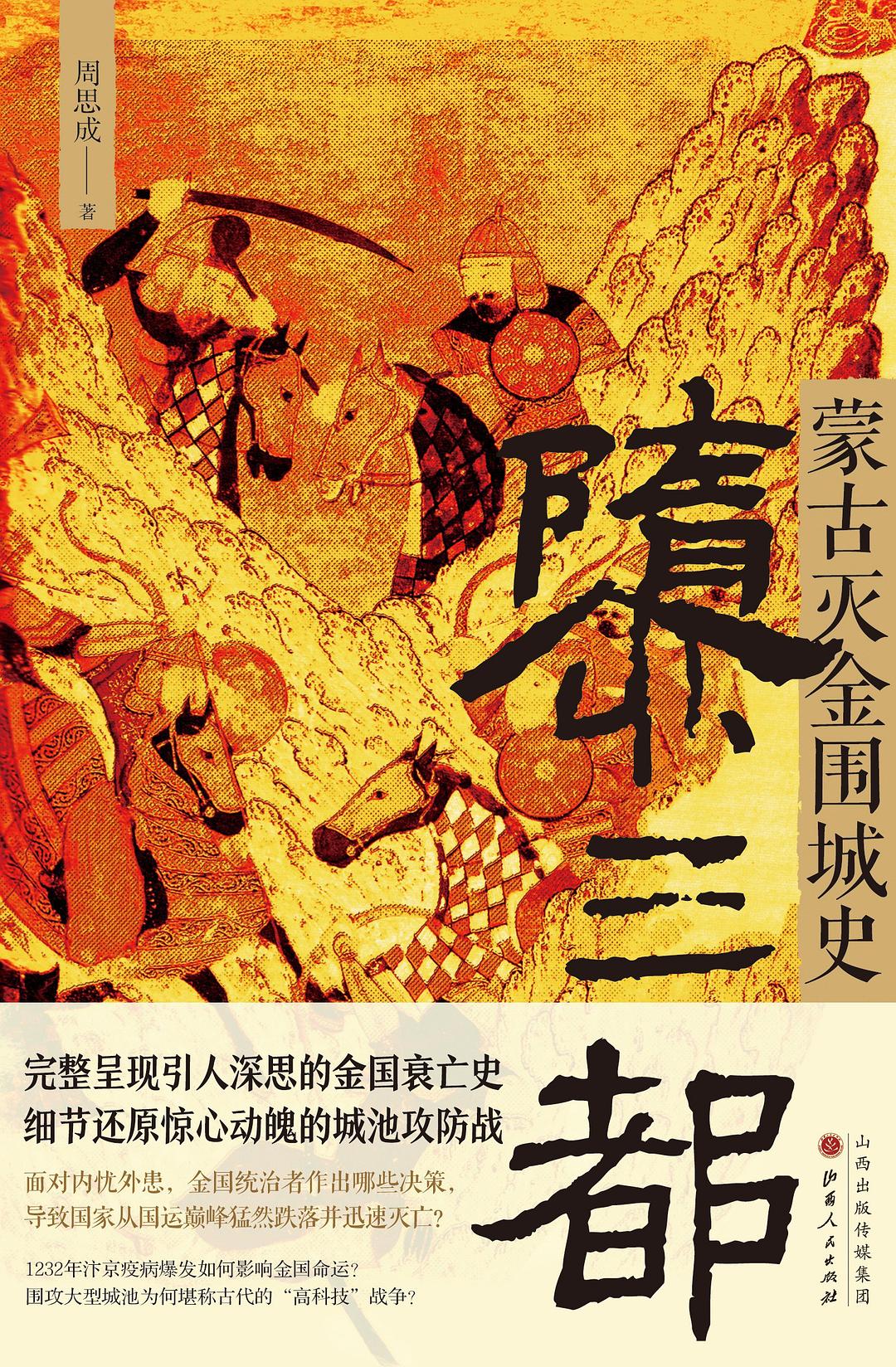
The Fall of Three Capitals: The Mongol Sieges That Ended the Jin, Zhou Sicheng, Shanxi People’s Publishing House, 2021
Episode three uses A History of the World in Twelve Maps to discuss visual reading, new historical materials, and how images must be interpreted. Soulstealers is likewise built on newly used archival material.
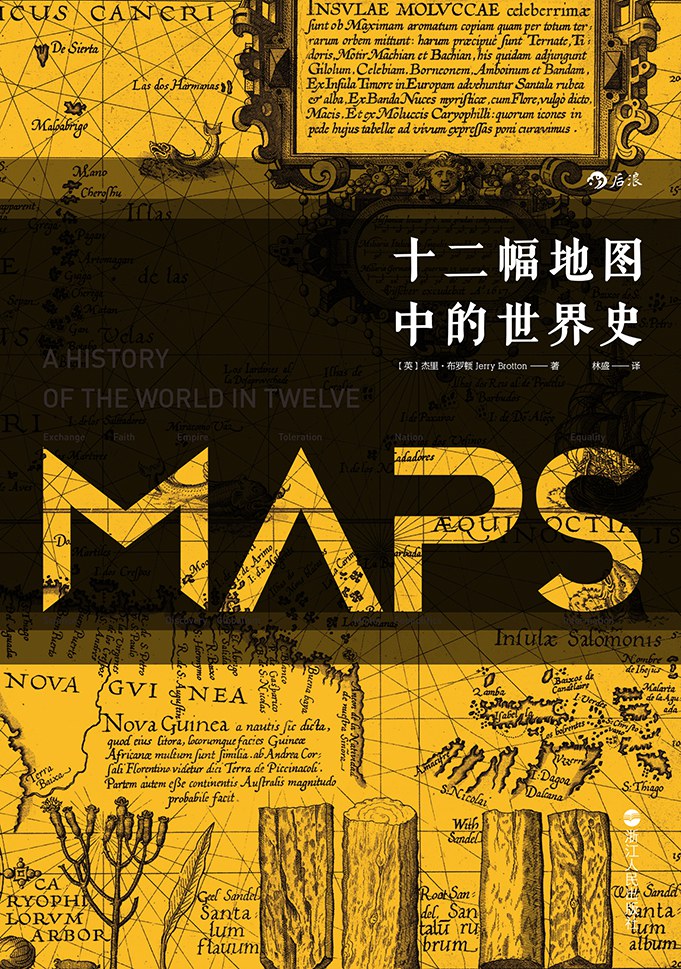
A History of the World in Twelve Maps, Jerry Brotton, Zhejiang People’s Publishing House, 2016
Episode four revisits Yuval Noah Harari’s trilogy and big history. Its boom reflected peak globalization, optimism, and demand for simple maps of the future. Why did it fade while global history remains? Did it truly change its readers?
 Sapiens, Homo Deus, and 21 Lessons for the 21st Century, Yuval Noah Harari, CITIC Press, 2014/2017/2018
Episode five examines global histories of commodities through The World That Trade Created. Trade war forced five centuries of capitalism and commodity history into the present, making these books newly necessary.

The World That Trade Created: Society, Culture, and the World Economy, 1400 to the Present, Kenneth Pomeranz and Steven Topik, Shanghai People’s Publishing House, 2018
Episode six discusses Rao Shengwen’s The Han Empire in Bashu. With few new sources or paradigms in Three Kingdoms scholarship, why does popular interest thrive across games, film, television, and short video, and can other periods learn from it?
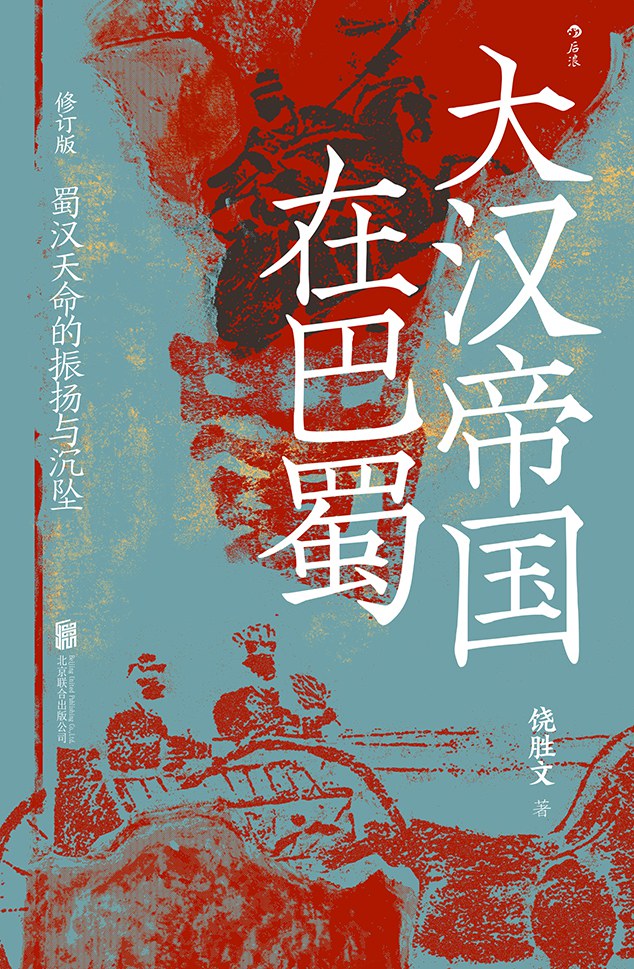 The Han Empire in Bashu, Rao Shengwen, Beijing United Publishing, 2023
Episode seven examines microhistory in China through Carlo Ginzburg’s The Cheese and the Worms, whose Chinese edition grew popular in 2021. Soulstealers itself focuses on ordinary people and treats even rulers microscopically. Ginzburg died at eighty-seven as this program was prepared.
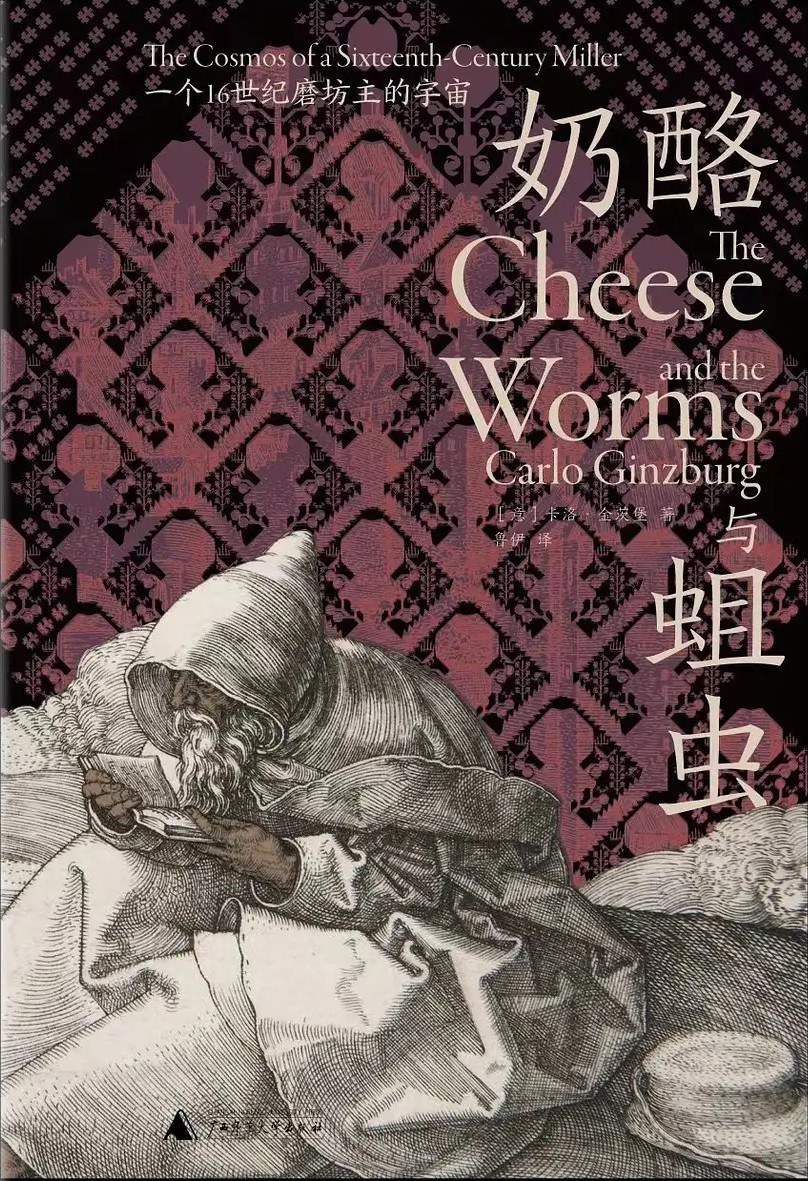 The Cheese and the Worms, Carlo Ginzburg, Guangxi Normal University Press, 2021
Episode eight explores foreign national and dynastic history through Dan Jones’s The Hollow Crown, translated by Lu Dapeng: how have such books cultivated Chinese readers and writers, and why do they appeal?

The Hollow Crown: The Wars of the Roses and the Rise of the Tudors, Dan Jones, Social Sciences Academic Press, 2018
Episode nine analyzes Rong Xinjiang’s Searching the World for Dunhuang. Chinese scholars gradually reclaimed authority once said to exist abroad, while museum and heritage enthusiasm created a public foundation. What did scholars and museums do, and how did public interest form?
 Searching the World for Dunhuang, Rong Xinjiang, Zhonghua Book Company, 2024
The finale uses Miao Zixi’s The Ming’s Last Envoy as a counterpoint to Soulstealers, reflecting global and Chinese history, translation and original writing, scholarship and popular prose, local and overseas Sinology, new evidence and interpretation, grand narrative and microhistory, and interdisciplinary methods.
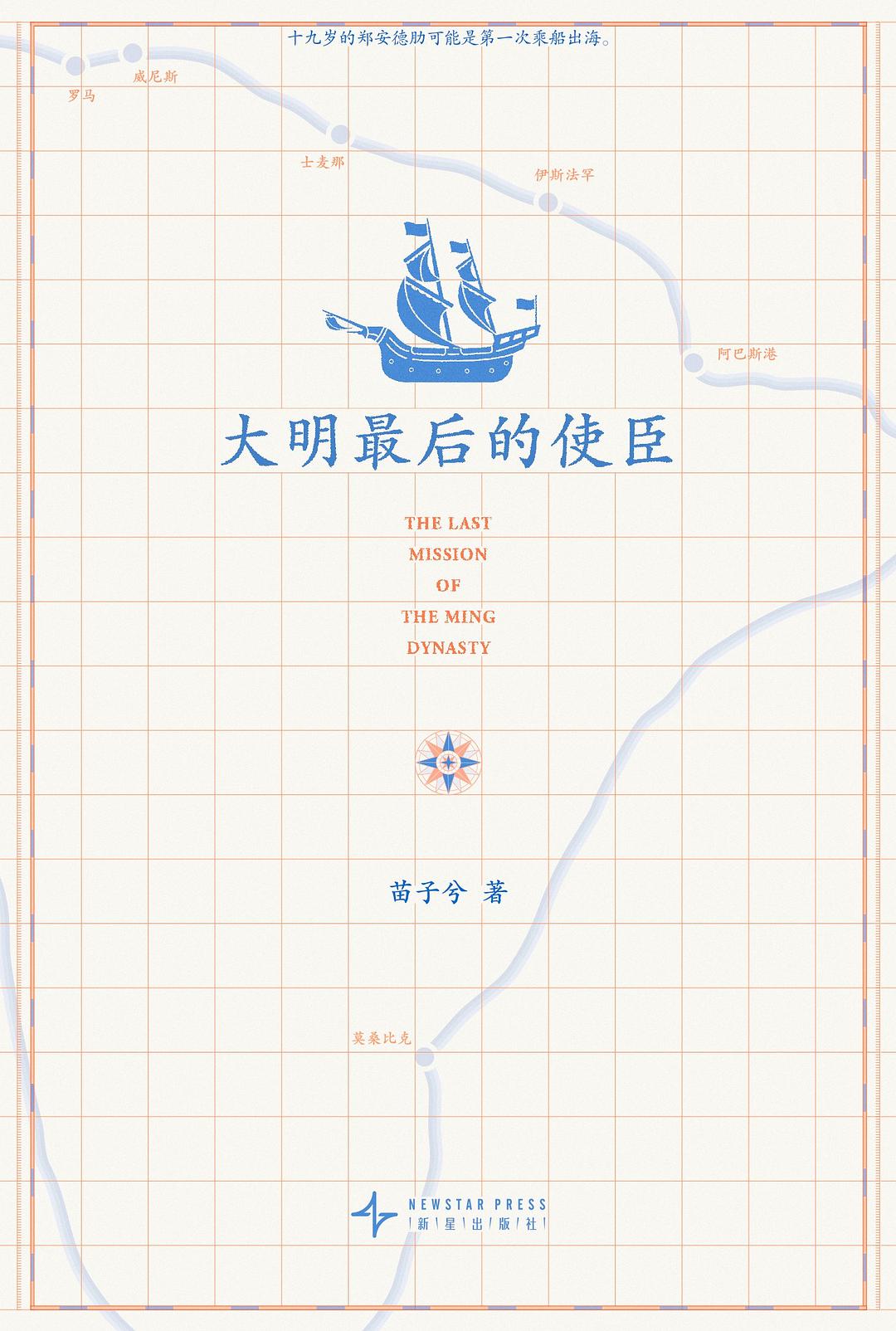
The Ming’s Last Envoy, Miao Zixi, New Star Press, 2025
So Soulstealers did influence the decade. If its historical reading is a colorful cloth, our ten books and themes identify warp and weft, while Soulstealers is a loose thread on the loom.
Thank you for listening. That is all today; see you in the program.
2026.09.03
Audio in Chinese
Related programs

There Are No Islands in World History
A live event for A Global History from China — Video Edition
Members only

A Global History from China, Season 6: After the Age of Discovery
The arrival of the age of globalization
¥128.00
Included with membership

Seeing China through Ideas: A Brief Survey of Yu Ying-shih's Historiography
Reexamine history and reality through a historian's eyes
¥98.00
Included with membership