



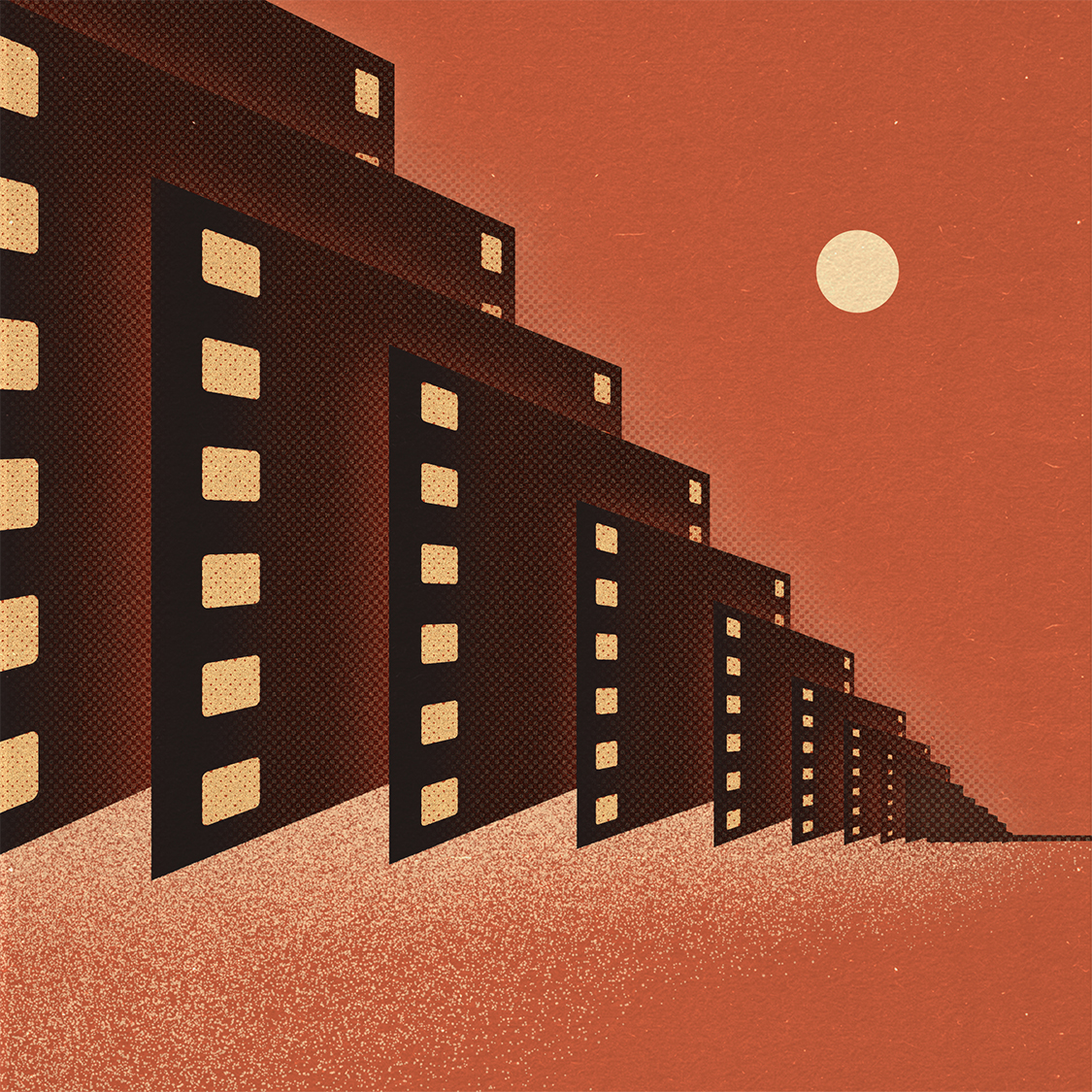
Classics of Our Century: A Film History of the Twenty-First Century in the Making

Listening Guide
1. Kill Bill began as one long film and was later split into two theatrical volumes.
2. Why the story begins with the second name on the revenge list rather than proceeding in order.
3. Vernita’s sequence combines Blaxploitation, the Western, and domestic life.
4. When Vernita’s daughter appears, she and the Bride wordlessly put away their weapons.
5. The Bride apologizes to the child but does not believe killing Vernita was wrong.
6. Chapter Two divides the church investigation, hospital murder, and escape into three different genres.
7. How Tarantino borrows the rape-revenge formula while addressing its ethical danger.
8. Animation, black-and-white images, and ratings: how Kill Bill controls the display of violence.
9. The challenge of the House of Blue Leaves battle: giving one-against-many combat space and structure.
10. The battle mixes Japanese swordplay, Hong Kong choreography, and Shaw Brothers silhouettes.
11. Why the Bride and O-Ren’s snowy duel moves from exaggerated gore toward solemn revenge.
Selected Quotes
1. Lao Ma: Vernita gives a pleading look, and both women instantly put away their knives. The two killers share an understanding about a child’s presence.
Though both are killers, they recognize a rule above the killer’s code: do not continue violence before a child—in other words,respect motherhood.。
2. Lao Ma: Tarantino reuses a common 1970s exploitation form, the rape-revenge film. A woman is brutally beaten and raped but survives;she remakes herself as an avenging goddess and answers violence in kind.The revenge gives viewers pleasure.
These films relate to the rise of 1970s feminism, yet exploit female empowerment as materialfor the male gaze. They have a double character.。
2026.09.03
Audio in Chinese
Related programs
The Dawn of Freedom: Reading Renaissance Classics
World Classics Reading Plan, Season 1—from Dante to Shakespeare
¥98.00
Included with membership
Inequality: Power, Status, and Social Distribution
Why does equality recede the harder we pursue it?
¥98.00
Included with membership

The Birth of the Modern: Readings from the Enlightenment
World Classics, Season 2—from Galileo to the US Constitution
¥128.00
Included with membership