



Journey to the West among Us: Zhang Yiwei's Close Reading

Hello, I’m Zhang Yiwei.
I’m very sorry, but because of my work schedule, our program has to pause for another week and take a short break. In today’s bonus episode, I’d like to share a conversation I recently had with German writer Jenny Erpenbeck at the Consulate General of Germany in Shanghai.
Born in East Berlin in 1967, Jenny Erpenbeck is widely regarded as one of the most important and internationally influential writers in contemporary German literature. She also won the International Booker Prize in 2024. Our conversation was titled “If Life Could Be Lived Again: Jenny Erpenbeck’s ‘What If.’” We discussed how, as writers, each of us handles subjects such as history and memory in our work. Interested listeners may also want to seek out her novels Visitation and The End of Days. I recently published two short stories of my own: “Changing Seasons” in the fifth 2026 issue of Fiction World, and “Accelerated Perception” in the tenth 2026 issue of Hong Kong Literature. Perhaps you might look them up over the coming holiday.
I’m Zhang Yiwei. When the holiday is over, let us continue our Journey to the West.
Host
Dalan (Dalan’s Literary Good Afternoon) | Well-known book creator on Bilibili
Guests
Jenny Erpenbeck | German writer and theater director; winner of the 2024 International Booker Prize. Born in East Berlin in 1967, she is widely regarded as one of the most important and internationally influential writers in contemporary German literature. Her calm, tightly controlled narratives generate tremendous intellectual tension, and her work is known for its precise structures, poetically restrained language, and penetrating deconstruction of modern European history.
Zhang Yiwei | Writer and associate professor in the Department of Chinese Language and Literature at Fudan University. Her representative works include A Feast of Ordinary People, Fourfold Fulfillment, and Mournful Sleep. She presents Vistopia’s Journey to the West Among Us: Zhang Yiwei’s Close Reading of Journey to the West.
On-site Interpreter
Sun Ning | Specialist in German language and literature at Peking University, with many years of experience in Chinese–German interpreting, translation, and cross-cultural communication.
Listening Guide
What drives Jenny Erpenbeck to imagine one “what if” and possibility after another?
How can we clarify the boundary between fiction and reality?
How do writers handle the recurring theme of memory?
Why do works such as Visitation incorporate a cyclical structure?
Is Kairos a novel about gender relations or politics?
Must a writer emphasize a particular moral position while creating a work?
Inspiration that fairy tales offer to creative writing
How should we understand the contrast between individual lives and the fate of a nation?
Related Information
1. Visitation
A novel by Jenny Erpenbeck, selected by The Guardian as one of the hundred best books of the twenty-first century.
Synopsis: An architect builds his dream summer house beside a lake outside Berlin, unaware of what the land has already endured and will endure in the future: a young woman goes mad and drowns in the lake; Jewish neighbors sell their property for a pittance and disappear; the advancing Red Army requisitions the house; a writer who fled the Nazi regime returns from exile and tries to drag an enduring ideal home from beneath the ruins; and decades later, after German reunification, her granddaughter is forced to relinquish ownership to the heirs of the house’s original builder…
At the same place, residents from different eras scatter and arrive. History’s immense, invisible force continually erodes humanity’s attempts to build lasting value, while above every passion, wound, reconciliation, and fate stands a landscape that no madness or upheaval can truly alter.
Visitation’s poetic narrative, “aloof as an iceberg,” echoes a century of German vicissitudes. From the Weimar Republic to the years after reunification, twelve fragments of lives form a mosaic in which past and future collapse together. Time is the story’s true narrator: “Eternal life already exists within the lifetime of each individual.”
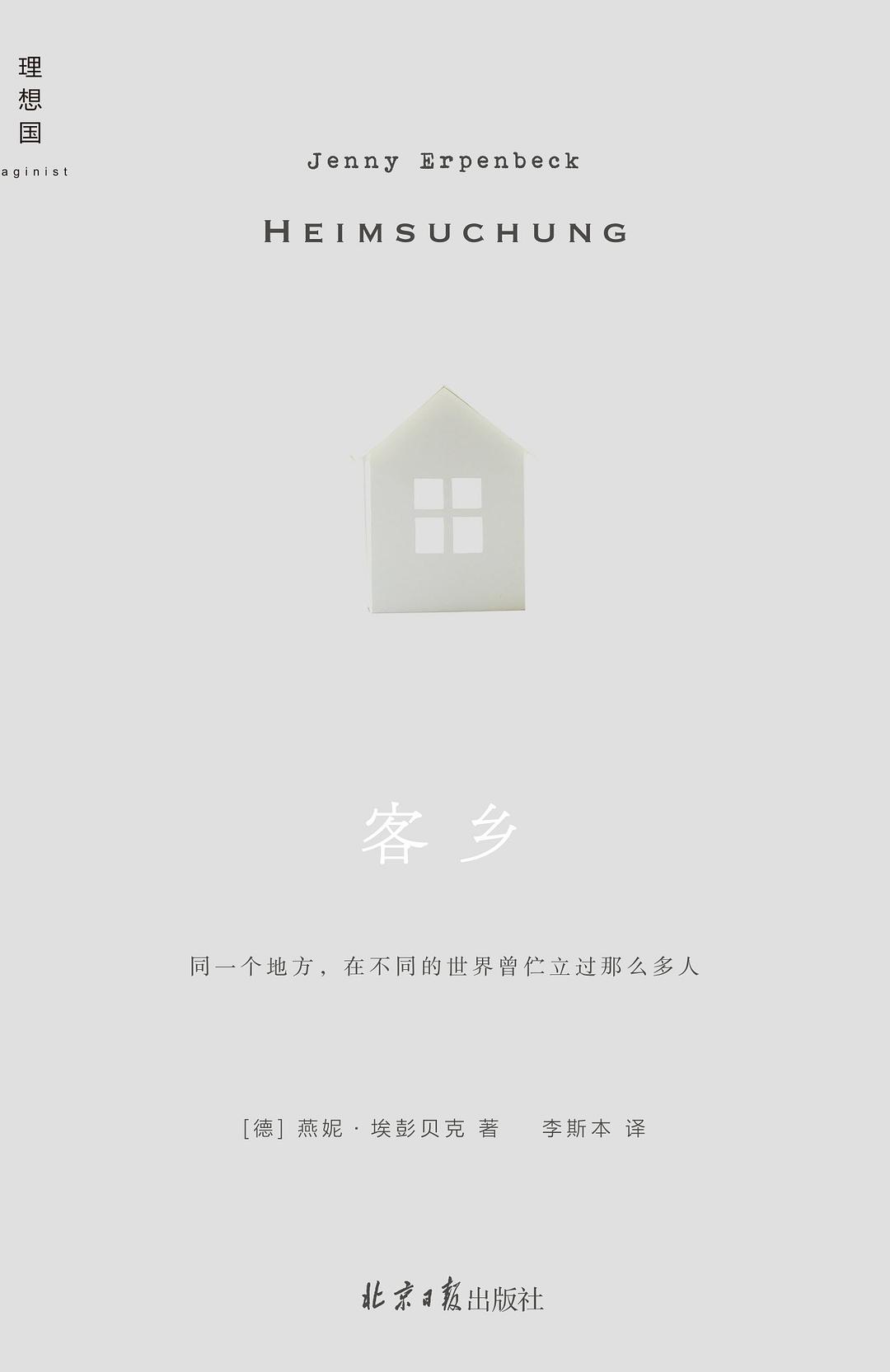
Visitation
2. The End of Days
A novel by Jenny Erpenbeck, shortlisted for the 2016 International Dublin Literary Award.
Synopsis:She is a baby girl who suffocates in her cradle; she passes an impoverished adolescence in postwar Vienna; she awakens politically and joins the movement, only to lose everything in a purge; she returns to East Germany and becomes a writer of the people, dying suddenly at the height of her command over public discourse; she lives to ninety, loses her memory, and finds another country outside her nursing home… Across three empires, two world wars, and five deaths—from a Galician Jewish town at the turn of the century to Vienna after World War I, Stalinist Moscow, and finally reunified Berlin—some versions of her are loved, some betrayed, and some fade into history and are forgotten.
The book has five parts, each ending with her death; each subsequent part then reimagines the life she might have lived had she survived. A tiny infant’s grave might have been as large as the Alps. Amid history’s seemingly inevitable momentum, what does the sum of all these “what ifs” mean? Everything will pass; sentences are burned to ash and footprints disappear. What remains in the end is the indestructible iron imprint of a life.
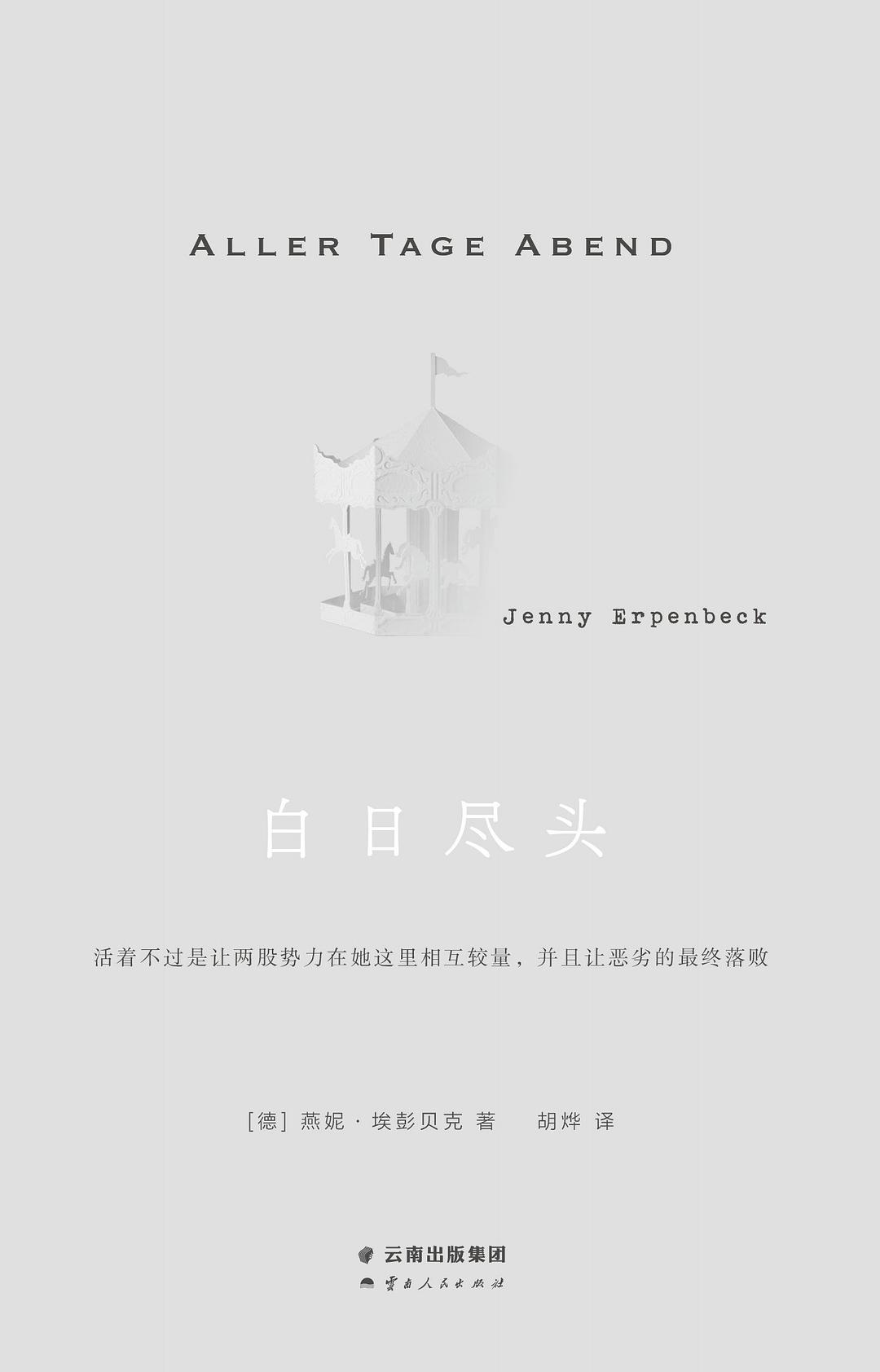
The End of Days
3. Kairos
A novel by Jenny Erpenbeck and winner of the 2024 International Booker Prize.
Synopsis:Katharina goes down to the basement and unearths the letters and notebooks of her youth. Together with several boxes delivered after the funeral, she reads through the night. Years earlier, in Germany in the 1980s, the “Federal Republic” was the first to take the world’s hand, while the “Democratic Republic” was falling behind the “advanced” train. The two meet on a bus to the cultural center, and “everything happened as though it were destined to happen.” Katharina savors and drinks in Hans and all that belongs to him. Then everything begins to collapse, following a severe prescribed form: written statements, supplementary materials, recordings, confessions, interrogation, lie detection. Hans turns analyzing Katharina into a job. At last a still greater dissolution arrives. History’s verdict has been delivered, as though every force were exhausted.
Kairos is a story about a ghost and its extinction. Beginning with an unconventional love affair, it shows what is planted in a young woman after she enters a ghostly country in the guise of a hero. Some things languish, some are shattered, and others are beginning to move. When the story ends, the organism that created her destroys her. She looks all around, deemed unworthy of knowing what became of her in the mouths of new lives.
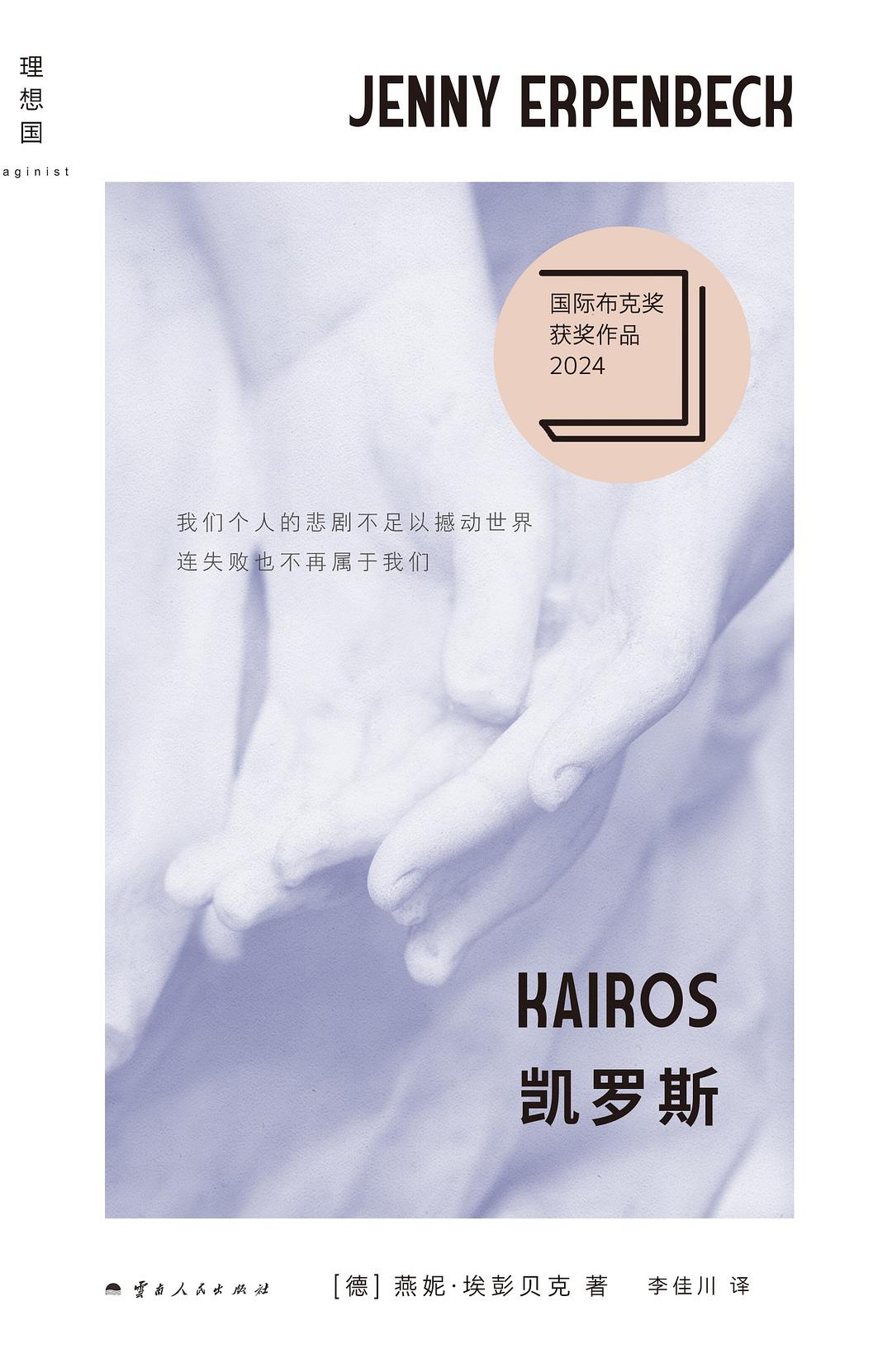
Kairos
4. Go, Went, Gone
A novel by Jenny Erpenbeck, shortlisted for the German Book Prize, the International Booker Prize, and the International Dublin Literary Award.
Synopsis:A Berliner lives an orderly life until a group of strangers suddenly intrudes. Speaking in fragmented mixtures of languages, they have crossed the sea from war-torn Africa and made their circuitous way to Germany. His childhood experience of World War II has made him prize order above all: “There can be no freedom amid chaos.” Yet as a former East German citizen, the memory of the Berlin Wall is never far away, and living as an immigrant in one’s own country is hardly unfamiliar—thirty years earlier, his country and the future belonging to it disappeared overnight. By chance, he befriends the refugees, learns the histories of their displacement, and becomes deeply involved in their stories. “Only if they survive in Germany today can we say that Hitler was truly defeated.”
In an age of upheaval, human destinies are connected as never before. As war creates volcano after volcano across the earth and immense despair floods a sea of anger, people erect walls on every side. But can peace truly exist alone?
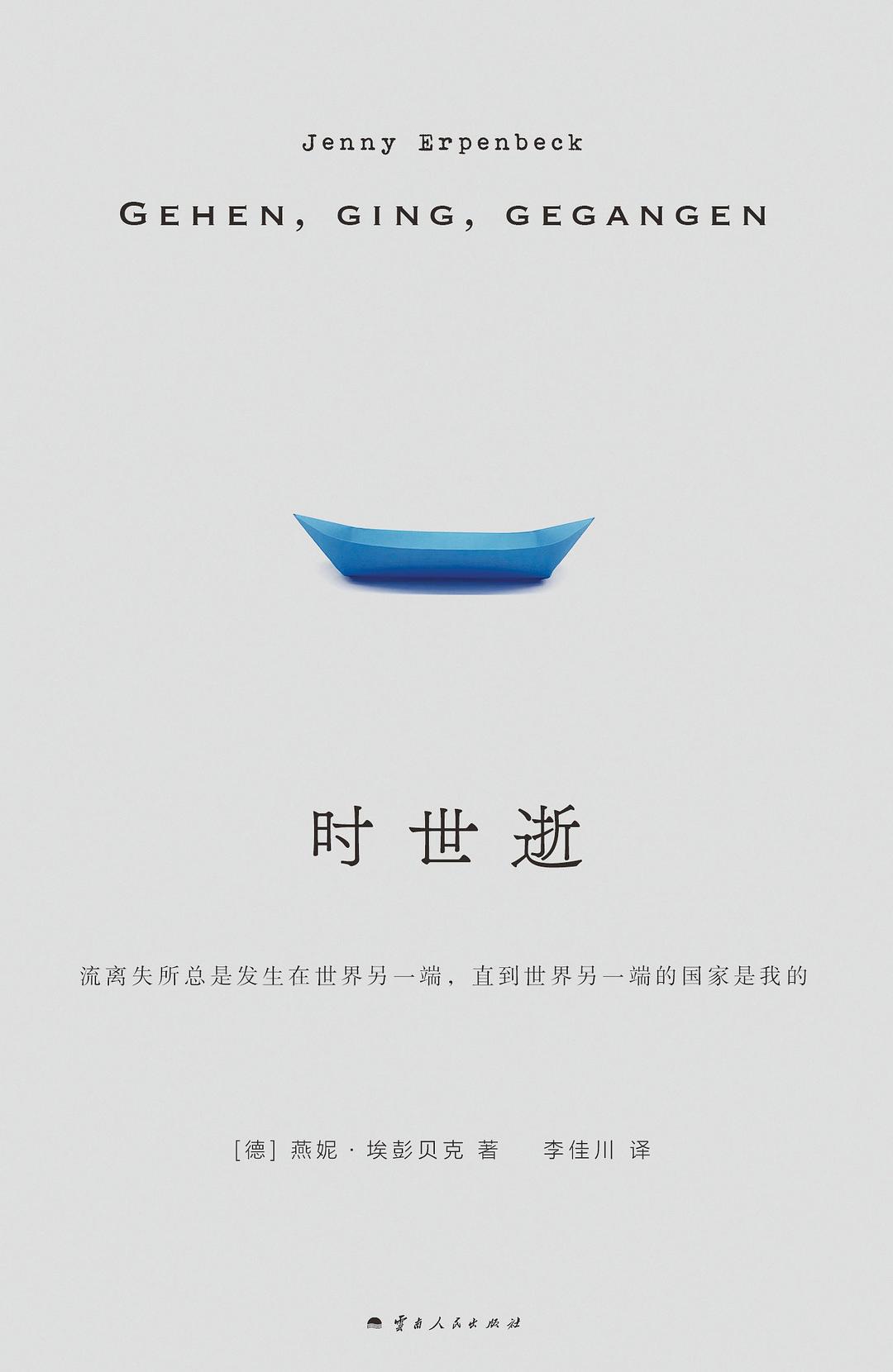
Go, Went, Gone
5. The Old Child & Other Stories
A collection of fiction by Jenny Erpenbeck, containing her sensational literary debut The Old Child and The Book of Words.
Synopsis: The Old Child tells of a girl found wandering the streets carrying a bucket. When the police arrive, they cannot find her name on any list of missing children, so they send her to a children’s home. The home’s walls are high, which pleases the girl: at last she can stay away from the outside world…
The Book of Words follows an “I” learning vocabulary. Papa and Mama. Ball. Car. Mama points to two black-robed angels with billowing garments. Holding hands and standing straight, they fall vertically from the distant sky toward the sea below. Why are they black? “I” ask. Outside, alarms sound everywhere. People disappear: first those people, then their friends, then those who remember them, then everyone who is afraid, and finally everyone.
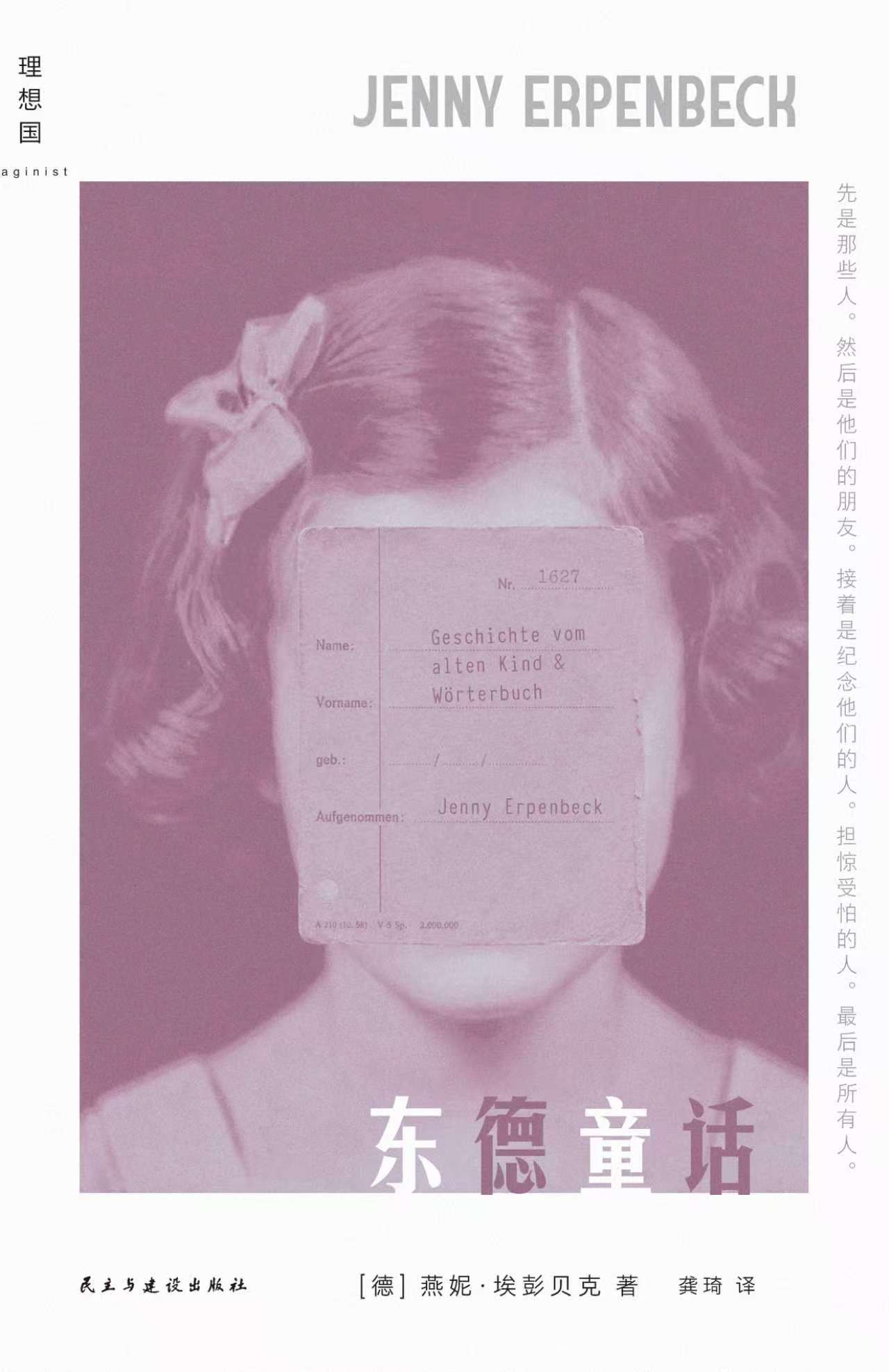
The Old Child & Other Stories
2026.09.30
Audio in Chinese
Related programs

Reading Life Closely: Restarting the Self Through Twenty Short Stories
Listen to Literature with Zhang Qiuzi and Rediscover Life
¥98.00
Included with membership

Idealist Salon Vol. 011: Searching for Lost Love
A members-only cultural salon in video
Members only

How Can We Live Better Together? 2,500 Years of Western Order
Key turning points and underlying logic in the evolution of order
¥168.00
Included with membership