






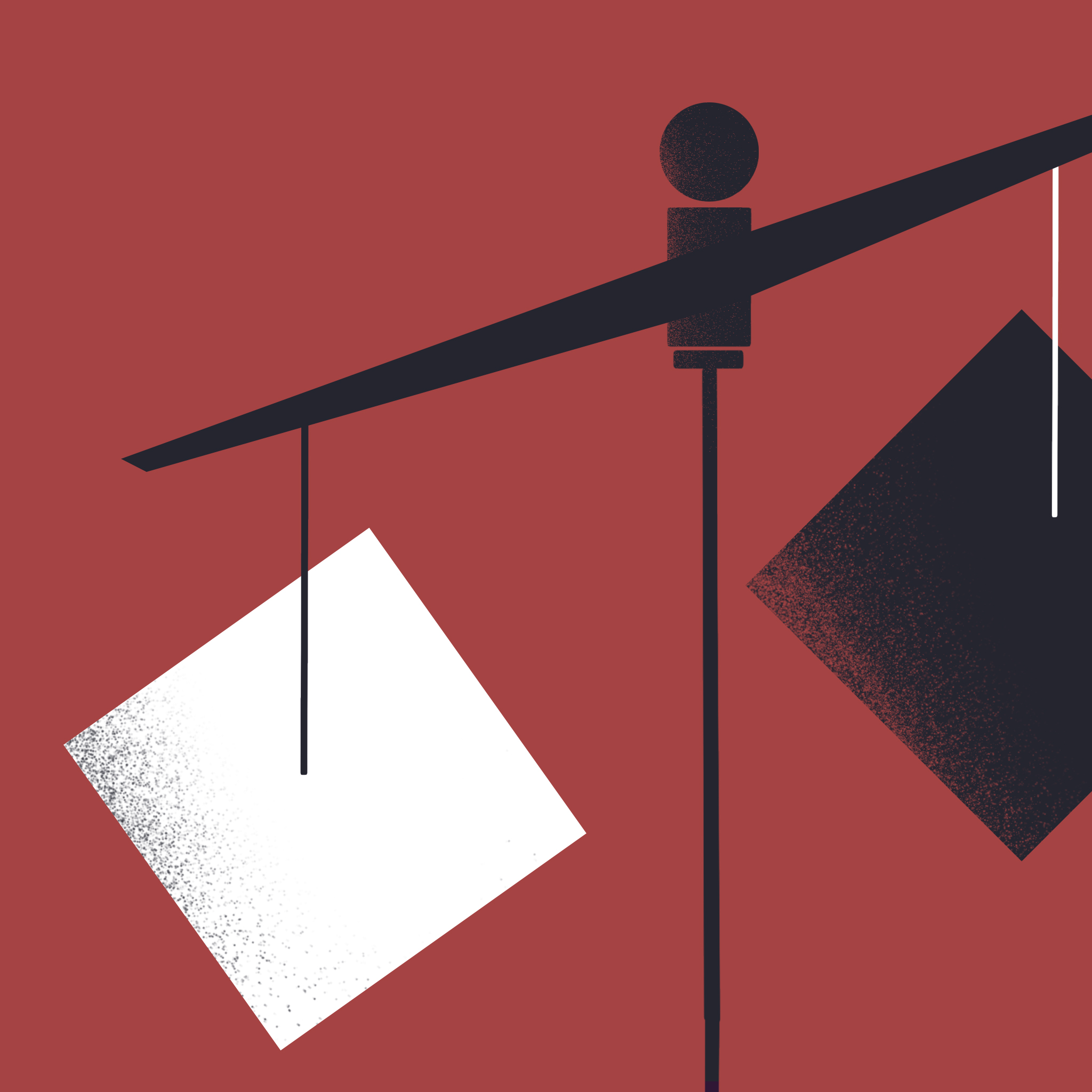
Justice and Reality: Think Like a Lawyer

Hello, I’m Zhan Qingyun.
Before we examine step by step how lawyers handle and analyze cases, we will spend several episodes discussing fundamental ideas that recur throughout this series: law, lawyers, litigation, and judicial institutions.
What Is Law?
Let us begin with law. What is its relationship to society? Why must we obey it, and what is its purpose?
After recording the introduction, I reflected that a program about law had begun by knocking law off its pedestal. Many listeners may already disagree; perhaps my description sounded too practical.
I said law does not represent justice and is not necessarily right. It observes and reflects fundamental principles, but it is also a compromise produced by competing interests and a product of history and its age.
That is my view. Yet I fully accept that the questions “What is law?” and “What should law be?” have no standard answers. Many see them differently.
An Unjust Law Is No Law—or Is Still Law
An ancient and classic legal debate is captured by the saying “an unjust law is no law.”
The opposing, highly realistic position says that an unjust law is still law: if enacted by society’s legislature, promulgated, and enforced, it remains law regardless of its morality.
Distinguishing good from evil is an ethical question. Lawyers ask instead how to identify what becomes law in society. Should we look only at the legislature, political system, and rules actually enforced?
Or should we also ask whether those rules must observe some minimum principles and limits?
Those who say an unjust law is no law argue that an evil, wrong, or unjust rule does not deserve the name of law and citizens have no duty to obey it.
Our subject is the practical lawyer’s way of thinking, not a scholar’s philosophical inquiry, so we will avoid overly abstract discussion where possible.
Yet as the previous episode explained, law becomes interesting not through universal rules everyone accepts, but through exceptions those rules cannot easily resolve: hard cases where either side appears supported by reason and human feeling.
Legal Positivism and the Natural-Law Tradition
Answering such questions forces us back to deeper reflection on law’s purposes and principles.
One branch that particularly interests me is philosophy of law, or jurisprudence.
2019.06.20
Audio in Chinese
Related programs
Realizing Justice: The Legal System in 40 Lectures
How far are we from the law?
¥128.00
Included with membership

The Possibility of Rule of Law: Legal Reasoning in 30 Lectures
Rule of law is a way of thinking
¥98.00
Included with membership

The Measure of Civilization: A Brief History of Law in 30 Lectures
What problems did humanity create law to solve?
¥98.00
Included with membership


