


Justice and Reality: Think Like a Lawyer

Hello, I’m Zhan Qingyun.
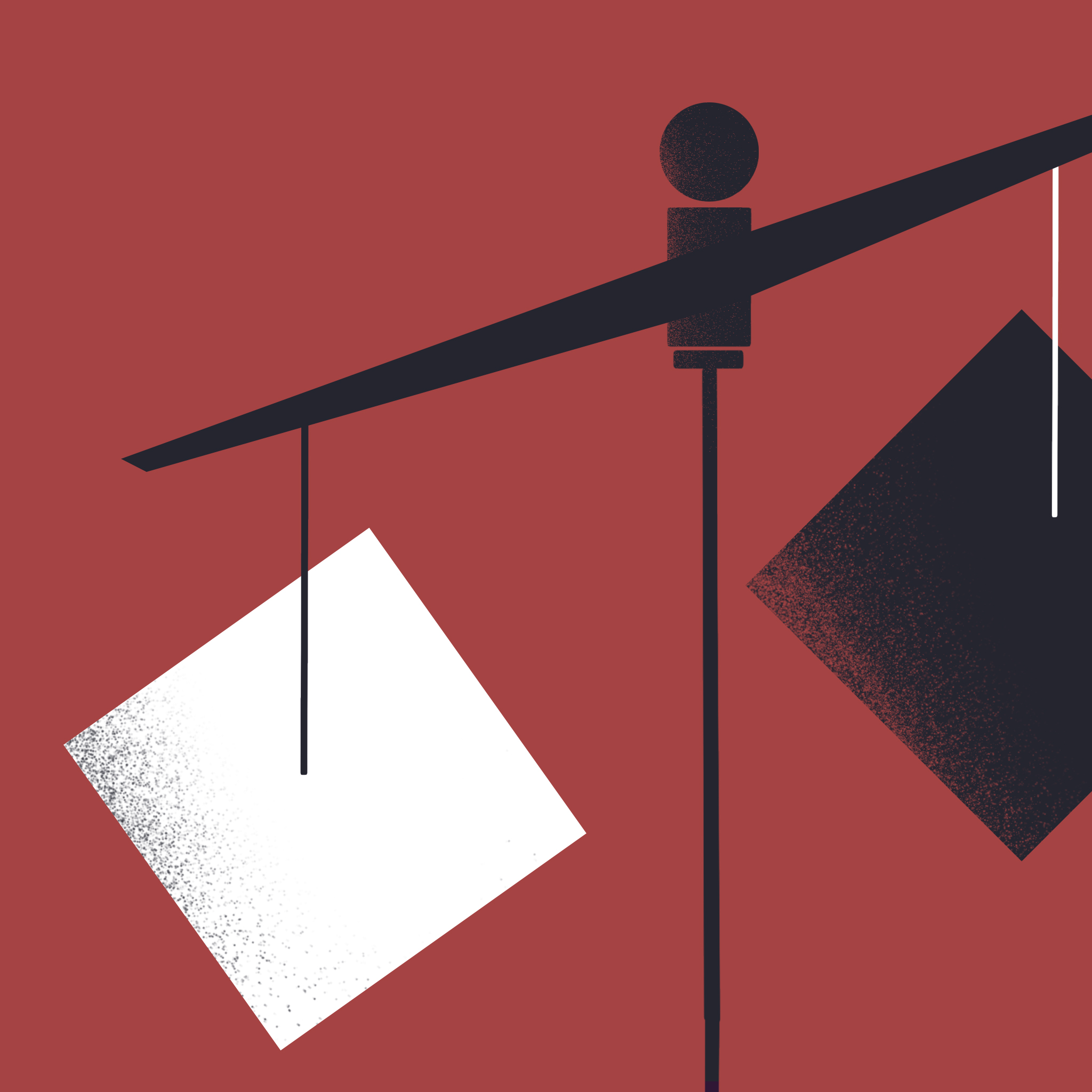
The Nuremberg Trials ran for nearly a year, from November 1945 to October 1946. In Nuremberg, Germany, twenty-four of the Third Reich’s most important surviving political and military leaders were tried for conspiracy, crimes against peace, war crimes, genocide, and crimes against humanity.
Hitler died by suicide on April 30, 1945, and Nazi Germany surrendered in May. On August 8, the United States, Soviet Union, Britain, and France signed the London Agreement for the prosecution and punishment of major European Axis war criminals. It established an international military tribunal and adopted the Charter of the International Military Tribunal, the legal basis for the Nuremberg proceedings.
In other words, both the tribunal and the charter supplying its legal foundation were created only after the Second World War had ended—and after the Nazi leaders’ alleged crimes had occurred.
A Criticism of Nuremberg: Victor’s Punishment of the Vanquished?
The proceedings have therefore drawn extensive criticism. They were controlled entirely by four great powers—Britain, the Soviet Union, the United States, and France—rather than conducted by an international community neutrally assessing Nazi atrocities or the war as a whole. They could look more like punishment of the defeated by the victors. Each of the four states supplied one principal judge and one chief prosecutor.
There were reasons for this beyond politics: the four countries possessed much of the evidence. Still, it gave critics an opening. U.S. Supreme Court Justice William O. Douglas said that at Nuremberg the Allies substituted power for principle.
Some aspects of the trial reinforced the impression that it was less impartial justice than judgment of the defeated by the victors. Double standards appeared. Among the charges, Wilhelm Keitel and Alfred Jodl were accused of conspiring to invade Poland in 1939.
Yet history textbooks teach that early in the war, Germany and the Soviet Union signed a nonaggression pact with a secret protocol dividing Poland, and in 1939 they did divide it.
Nazi leaders were tried for their role, while Soviet leaders were not tried for participating in Poland’s partition.
Later research also gradually uncovered evidence that had been concealed: during the war the Allies themselves committed acts essentially similar to some conduct by Nazi Germany or the Axis powers.
2019.08.22
Audio in Chinese
Related programs
The Possibility of Rule of Law: Legal Reasoning in 30 Lectures
Rule of law is a way of thinking
¥98.00
Included with membership
Realizing Justice: The Legal System in 40 Lectures
How far are we from the law?
¥128.00
Included with membership
The Measure of Civilization: A Brief History of Law in 30 Lectures
What problems did humanity create law to solve?
¥98.00
Included with membership