



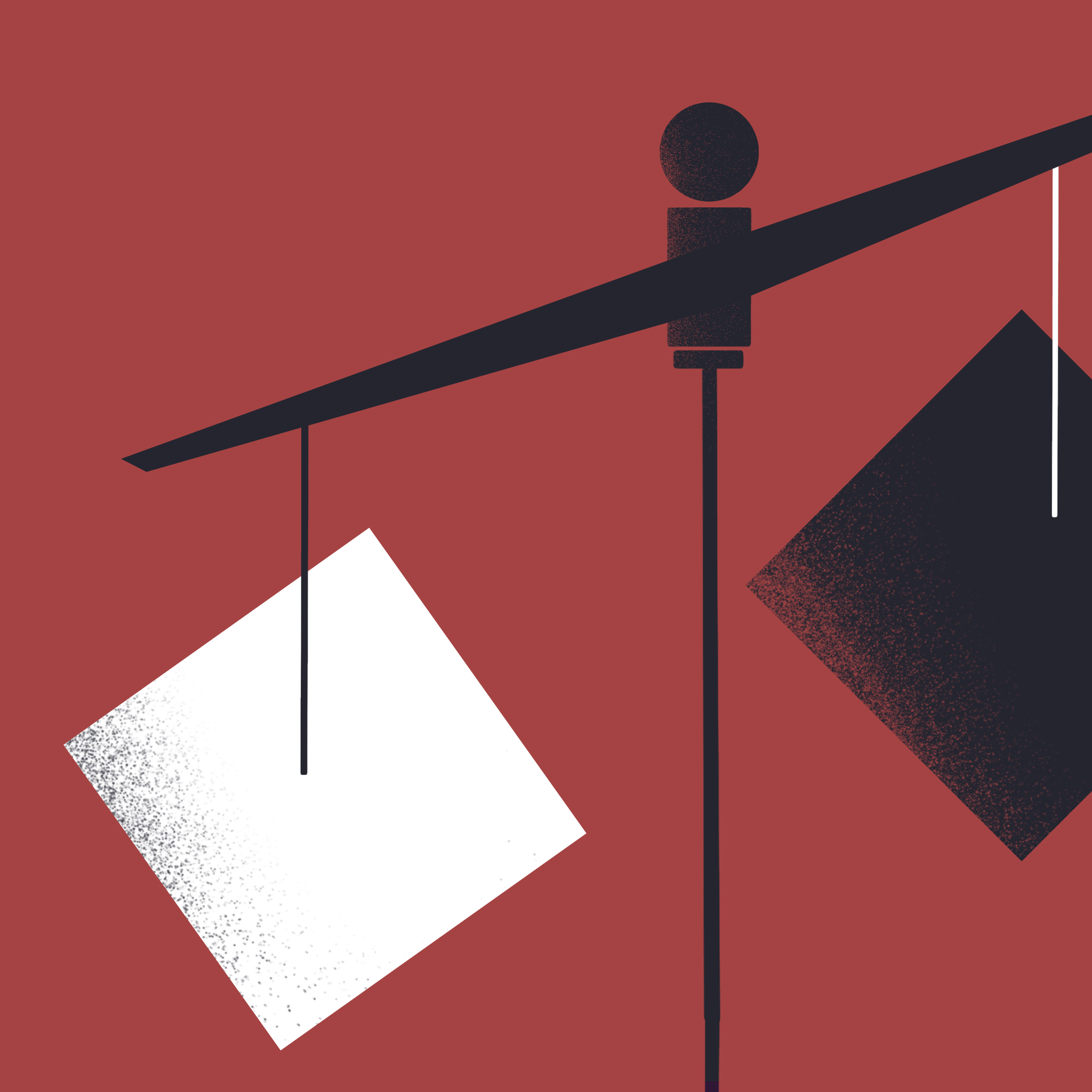
Justice and Reality: Think Like a Lawyer

Hello, I’m Zhan Qingyun.
I told the Apple story mainly as an example. It shows that standing, like jurisdiction, is a threshold issue: it must be crossed before a court can consider the merits of a case.
Antitrust law is, of course, a highly specialized field. Many firms specialize in it, and many lawyers practice nothing else, because it requires its own expertise and constitutes a distinctive legal system.
We may have a chance to sketch that field someday—it is fascinating. But when discussing standing, we are concerned with a more general question: who may speak on, and legally challenge, which matters?
I Am a Citizen
When I was in middle school, we had a very interesting elderly Chinese teacher. At that age, we did not understand people like him and thought he was always meddling. One classic story took place while we were studying in Guiyang. The city government was renovating a public square, but its precautions were poor, and the noise and dust seriously affected nearby residents.
One day our teacher confronted the contractor or site manager. Why not issue masks, put up barriers to contain the dust, or avoid working while people were resting so as not to disturb them? He offered a long list of suggestions.
The contractor asked, ‘Who are you?’ Our teacher replied, ‘I am a citizen.’
When we heard the story, we passed it around the class as a joke. The words ‘I am a citizen’ sounded funny to us.
Later, however, after studying law and politics, I came to find the sentence both intriguing and powerful. Faced with something wrong in society, may a person seek a judicial remedy and file suit simply in their capacity as a citizen?
That is, in fact, a question of standing. It is the first kind of issue that comes to mind when standing is discussed in law school.
May I sue solely in my capacity as a taxpayer? Suppose a government policy or new statute raises my tax burden. I have no other personal stake in the policy, but I will pay more tax. Is taxpayer status alone enough to challenge it?
American judicial history has debated this question repeatedly. The boundary shifts over time; the composition and ideology of each era’s Supreme Court affect how broad or narrow the rule becomes. The standard tightens and loosens with the larger political and social climate.
2019.10.22
Audio in Chinese
Related programs
Memoirs of Beijing
The Beijing that remains—and the Beijing that has vanished
¥68.00
Included with membership
The Possibility of Rule of Law: Legal Reasoning in 30 Lectures
Rule of law is a way of thinking
¥98.00
Included with membership
The Capitalist World After Marx
A century-spanning guide to the realities of late capitalism—and possible ways beyond them
¥98.00
Included with membership