






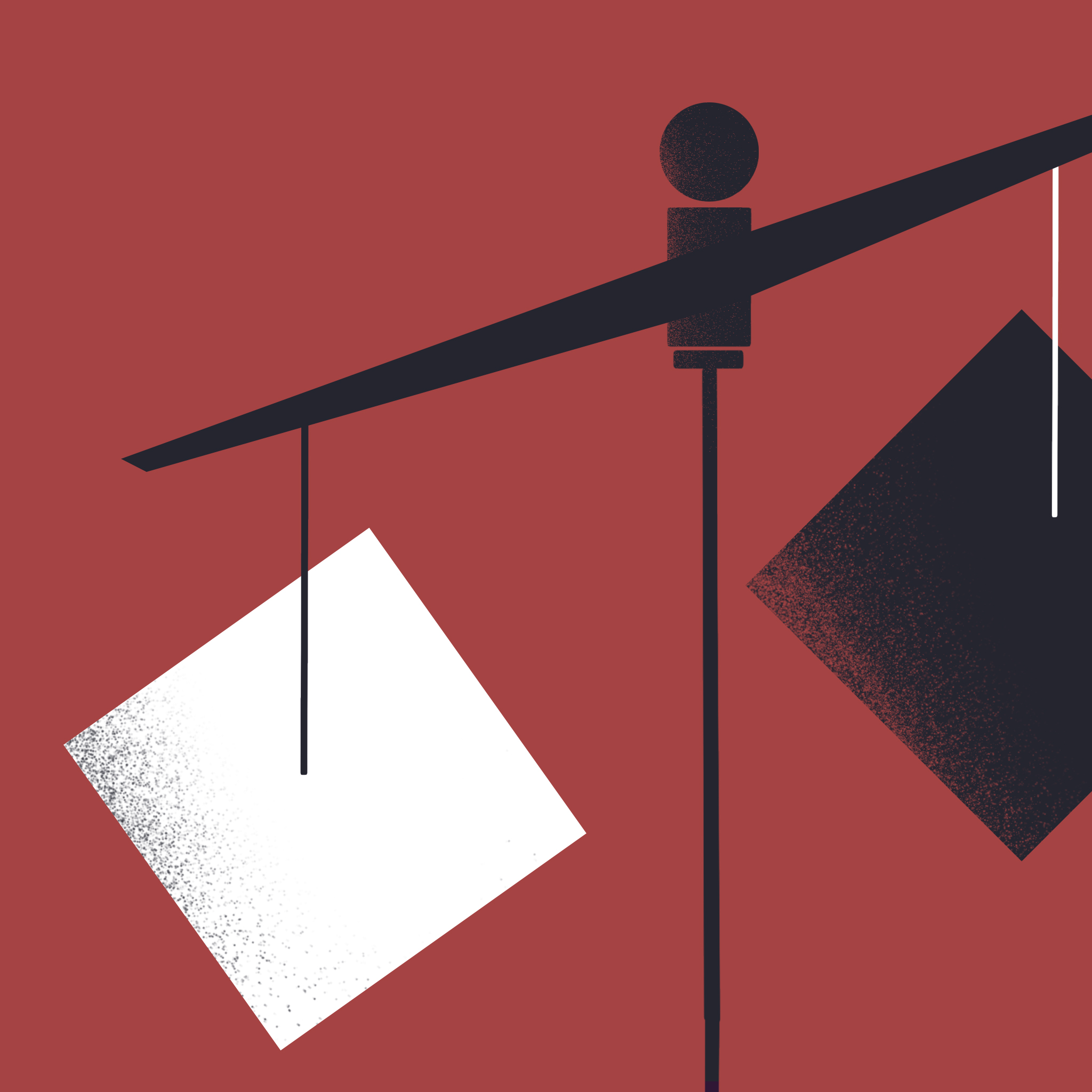
Justice and Reality: Think Like a Lawyer

Hello, I’m Zhan Qingyun.
Do United States v. Richardson and the earlier Flast v. Cohen contradict each other logically? Do they expose internal disorder and inconsistency in the law? Commentators disagree.
Those determined to show that law follows logic and clear standards work hard to distinguish the two cases. More cynical, worldly, or pragmatic observers may simply accept that courts in different eras use different standards; strictness and leniency change with the times. Many specific rules may possess no deeper logic at all. They are simply rules.
Several other cases asked whether a citizen has standing to challenge government benefits for religious organizations as violating the First Amendment. The standard proves remarkably unstable.
In one case, the federal government offered religious organizations tax advantages rather than direct funding. Citizens argued that this violated the First Amendment and increased their tax burden, but the court held that they lacked standing.
Others challenged federal transfers of land or other property, rather than money, to religious schools. Courts again found no taxpayer standing.
The practical rule ultimately seems to be that taxpayer status alone does not create standing; a personal stake is still required. There is one exception: when the federal government gives money directly to religious organizations. Other advantages apparently do not count. Courts are still feeling for the boundary, and no clear answer exists.
This recalls an earlier warning: law may look like a set of principles, but a lawyer cannot litigate by relying on a handful of principles alone.
Cases turn on fine factual details and the distinctions among them.
Whether a generalized taxpayer burden constitutes injury is only one aspect of standing. Courts consider many other matters when deciding whether a plaintiff may sue.
Factors Affecting Standing
A plaintiff must show an injury already suffered, or a substantial and imminent danger that the law, once implemented, will cause injury. Vague, potential, future, uncertain, or merely possible harm is insufficient.
The U.S. Patriot Act, for example, allows ordinary communications to be monitored under specified conditions and with court authorization.
2019.10.24
Audio in Chinese
Related programs

The Capitalist World After Marx
A century-spanning guide to the realities of late capitalism—and possible ways beyond them
¥98.00
Included with membership
Hello, Mr. Marx: Capital and the World It Made
Understanding Marx's complete theory of capital
¥168.00
Included with membership
To Your Unique Self: 40 Lessons in Personality Psychology
Who am I? Where did I come from? Where am I going?
¥128.00
Included with membership


