




To Your Unique Self: 40 Lessons in Personality Psychology

Hello, I’m Wang Fang. This bonus episode discusses the ongoing pandemic.
Since COVID-19 began, I have often been asked:psychologically, how does this pandemic differ from earlier major infectious diseases?
Certainly. I thinkglobalization exceeds every earlier period, magnifying disease transmission and impact. Internet penetration is unprecedented, amplifying information, emotional contagion, and community mobilization. Technology empowers everyone to participate while also sweeping everyone into events.Yet in society’s overall psychological response, I see little fundamental difference.
Thirty years ago Philip Strong, founder of the sociology of infectious disease, published An Epidemic of Psychology. Reviewing responses to new diseases throughout history, he found similar patterns with three broad stages:
first comesfear—、fear,worrying about safety and death—followed by unease,suspicion, distrust, and proliferating conspiracy theories.Then comesexplanation, less to understand events than to pass moral judgment and socialize or moralize disease.The spread of AIDS, for instance, stigmatized gay people as responsible. COVID likewise prompted judgments against alleged spreaders even when they violated no rules. The third stage isaction:something must be done, a war declared on the virus, whether effective or not. Every new epidemic restarts the process. Asked what humanity learns from repeated disasters, the answer may be: truly, not much.
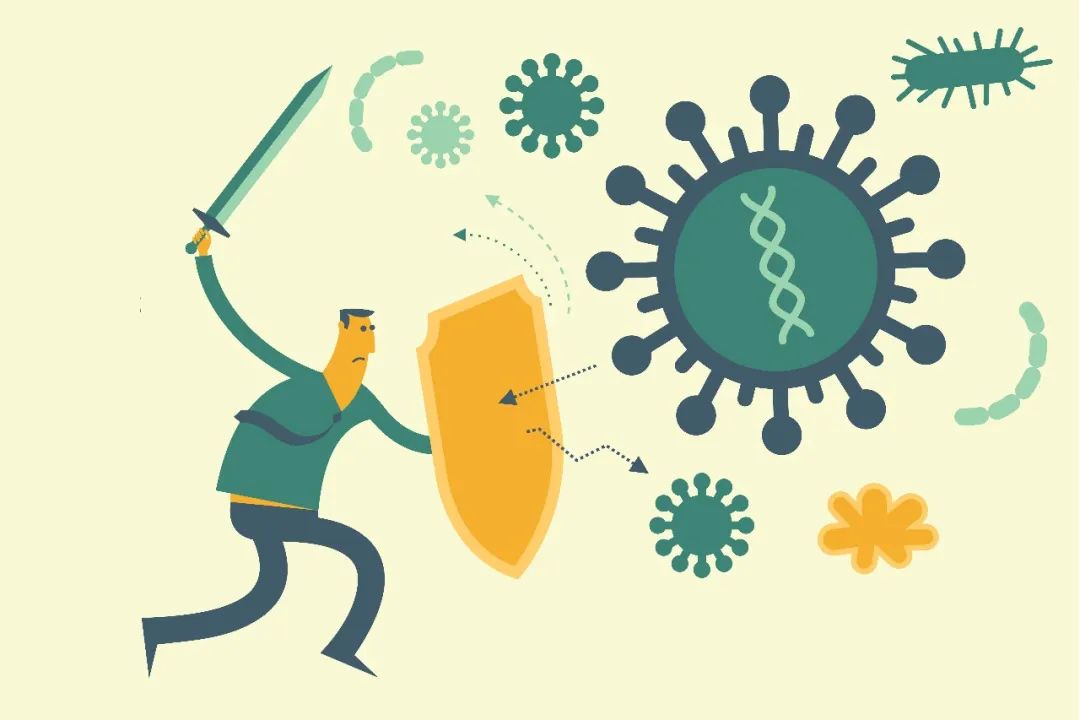
Why?Do post-epidemic psychological reactions follow regular patterns? If so, what activates them?
Last time, thefunctional perspective on culturepresented culture as a powerful tool for adapting to environments and production methods. Thenmight plague as ecological pressure mean that historical pathogen density and prevalence shaped particular psychological and behavioral patterns and cultural differences? Might those differences then influence responses to today’s epidemic?This bonus episode offers a psychological perspective on these complex, fascinating questions.
Benefits and Costs of the Physiological Immune System
2022.01.20
Audio in Chinese
Related programs

Ten Conversations with Hsu Cho-yun: Disease, Great-Power Rivalry, and Our Future
How will the world order change after a pandemic?
¥48.00
Included with membership
Between Life and Death: Ten Lessons on Living with Illness
How modern people understand disease
¥48.00
Included with membership

A Course on Illness for Everyone
Medical knowledge, thinking, and decisions
¥128.00
Included with membership