




To Your Unique Self: 40 Lessons in Personality Psychology

Introduction
Hello, I’m Wang Fang. We have spent three full episodes on psychoanalytic theory, but when many people hear “psychoanalysis,” they think first of psychotherapy and only then of personality theory. Today we discuss psychoanalysis as a therapeutic technique.。
Psychoanalytic personality theory and therapy are closely connected: therapeutic principles rest directly on theories of personality structure and dynamics, while Freud continually developed his personality theory through treatment.In the history of psychotherapy, psychoanalysis directly advanced the study and understanding of psychopathology from a psychological perspective. It also opened an entirely new era: the era of the “talking cure,” or talking therapy.Since then, countless people in mental pain have entered consulting rooms and sought healing through conversation with therapists. Stories of knowing, understanding, accepting, and changing quietly unfold in that process. Today psychoanalytic treatment is among the approaches most widely used by modern psychiatrists and psychotherapists.
As earlier episodes explained, Freud believed that impulses suppressed and frustrated in the unconscious cause the symptoms of mental illness. Psychoanalytic treatment therefore has one central task: gain access to unconscious content, identify repressed id impulses, and return them safely and legitimately to consciousness. In practice this requires techniques that reach their goal by an indirect path. Psychoanalysis has three major techniques: free association、transference analysis、and dream interpretation.The seemingly best-known technique—hypnosis—does not make the top three; at most it is a bonus fourth.
Hypnosis Without the Mystery
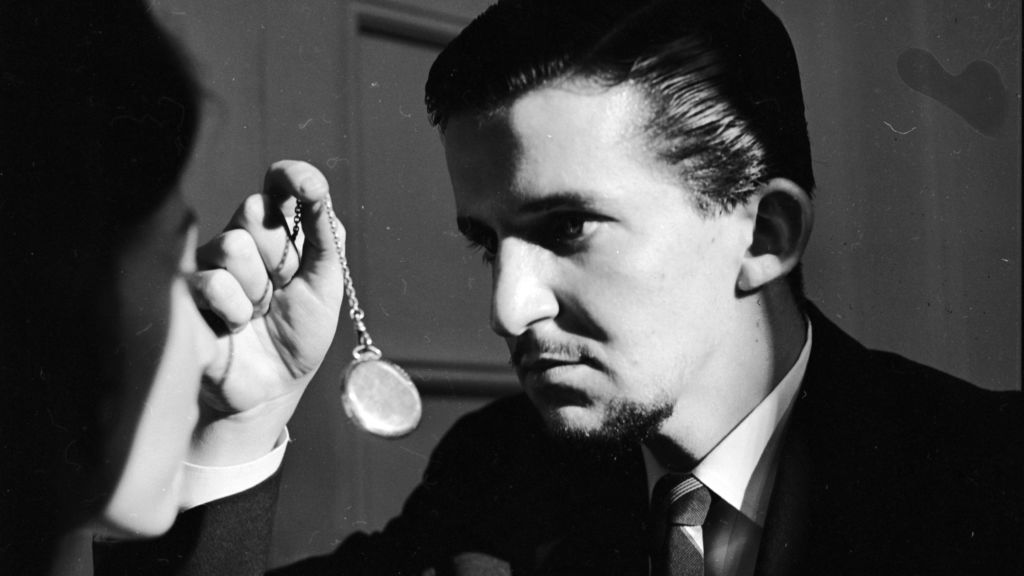
The reason is simple. We now know that hypnosis is a special state of consciousness characterized by narrowed attention and heightened suggestibility (Kallio & Revonsip, 2003). The most important factor is a person’s ability to respond to suggestion and experience hypnotic intensity, called hypnotic susceptibility. Willingness and effort also matter: only someone who cooperates voluntarily and expects hypnosis can be hypnotized. The hypnotist’s skill is not decisive (Kirsch & Lynn, 1995).
2022.02.17
Audio in Chinese
Related programs

The Mystery of the Mind: Freud and the Intellectual Universe of Psychoanalysis
Where does our psychological distress come from?
¥198.00
Included with membership

Eight Minutes
Knowledge, served eight-tenths full
Free

On Liberty: The Nature and Meaning of Freedom | Citizenship, Season 5
Where should the boundary lie between collective and individual rights?
¥48.00
Included with membership