




To Your Unique Self: 40 Lessons in Personality Psychology

Introduction
Hello, I’m Wang Fang. In our final two episodes on Freud, we will evaluate psychoanalysis—more precisely, examine this century-old theory through modern eyes and introduce some contemporary findings Freud inspired.
Psychoanalysis was revolutionary and intellectually liberating in its day, but it also provoked countless controversies and criticisms. How should this sprawling theoretical kingdom be judged, and what place does it deserve in history? Historians and theorists still disagree.
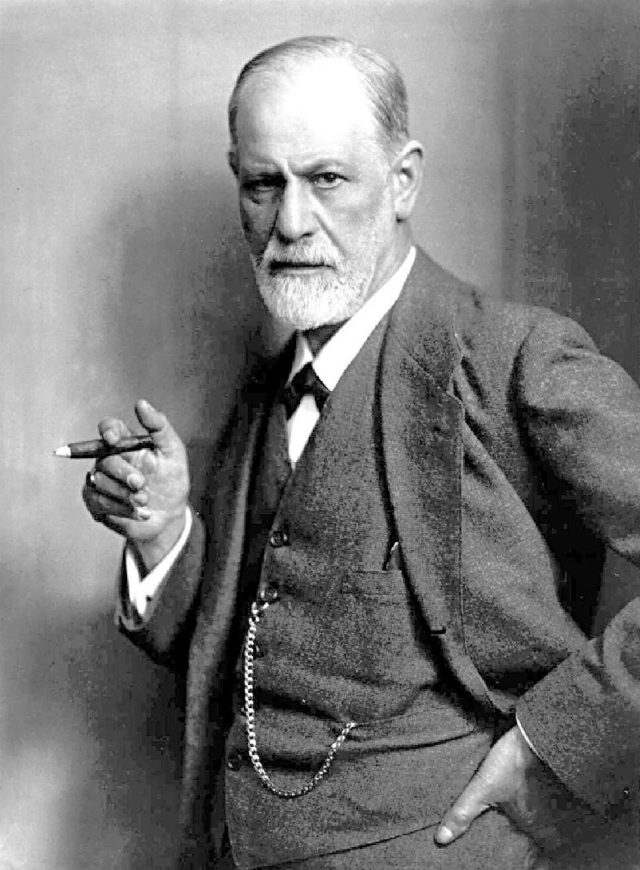
As a physician, Freud ardently sought acceptance from mainstream science. Declassified Nobel records show that he was nominated twelve times for the prize in medicine and won none before his death. On this point, he and Haruki Murakami would have much to discuss.
He did receive honors elsewhere. Romain Rolland nominated him for the Nobel Prize in Literature in 1936, and in 1930 he received the Goethe Prize, the highest honor in German letters. That may feel ironic, implying more artistic creation than science in psychoanalysis. Nobel physicist Max Planck once said scientific truth triumphs not by convincing opponents, but because they eventually die and a new generation familiar with it grows up—in short, by outlasting them. Freud and psychoanalysis had no such luck: contemporaries condemned him as filthy, while people today condemn him as unscientific.
So which core psychoanalytic claims have survived modern testing, and which have proved unreliable?
What Has Been Confirmed?
Let us first consider where Freud may have been right—or where empirical findings do not exactly match him, yet his ideas gave later research direction and inspiration. This also lets us introduce relevant modern research.
First, anxiety does trigger defense. Defense mechanisms under stress can protect self-esteem and reduce psychological and physical tension to a degree, while immature defenses such as denial and projection may bring maladaptive outcomes (e.g., Cramer, 2000, 2015). This accords with Freud.
2022.02.24
Audio in Chinese
Related programs
Rethinking Modern Work: How Workers Can Find Freedom
Can We Create a World That Is Not Centered on Work?
¥68.00
Included with membership

Modern Government: How States Construct Themselves
500 Years of the Modern World, Season 3
¥98.00
Included with membership

Dialectic of Enlightenment: The Limits and Critique of Reason | Citizenship, Season 6
Why did a project of human liberation become a system of control?
¥48.00
Included with membership