






To Your Unique Self: 40 Lessons in Personality Psychology

The Happiness Equation: How Can We Become Happy?
Hello, I’m Wang Fang. Last episode examined wealth and subjective well-being. Findings differ, but happiness based on earning and consuming does not always end happily. Some say happiness rarely arrives ready-made; happy people simply know how to be happy. Psychology suggests this is partly true.
Positive psychology’s founder Martin Seligman (2003) proposed ahappiness equation:”(well-being equation):H=S+C+V
enduring happiness (H) = genetically determinedHset range (S) + lifeScircumstances (C) + factors underCvoluntary control (V).Voluntary control)。
No person’s happiness is a literal sum, but the formula identifies forces shaping what we feel now and later.

First, people differ innately. Some begin with a high set point and readily feel joy and satisfaction; others respond less happily to the same stimulus. Like other traits, capacity for happiness is partly genetic. Twin studies estimate heritability around .4, explaining about 40% of variation (Nes & Røysamb, 2015).
That does not mean happiness is fixed before birth. As13、Episode 14explained,genes are highly responsive to environments and provide possibilities, while environment and effort shape reality.If happiness comes less naturally to you, do not despair. Like personality, it can change, though gradually.
C represents life circumstances. Some—sex, age, ethnicity—are hard to change; others—wealth, housing, marriage, education, social life—can change. Together they explain surprisingly little individual variation in happiness: only 8–15% (Seligman, 2002).
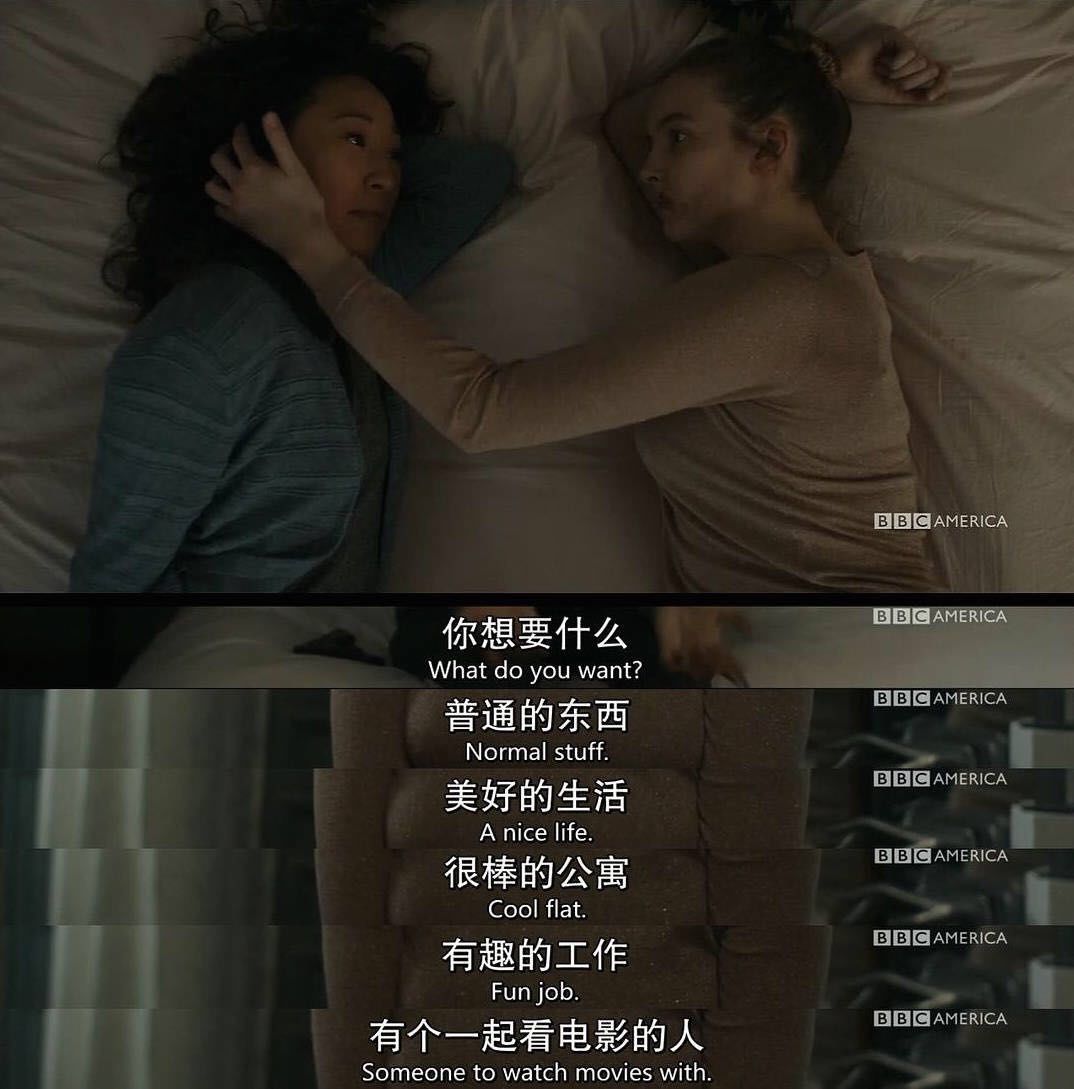
Fortunately, roughly half remains under voluntary control. Whether we reach the upper end of our set range depends mainly on this portion. We can do something for our happiness.
2022.04.14
Audio in Chinese
Related programs

When You Are Old: 30 Lectures on the Psychology of Aging
We will all grow old
¥98.00
Included with membership
Qian Liqun Reads Modern Chinese Literature
Original audio selections from New Lectures on Modern Chinese Literature
Free

Idealist Salon Vol. 006: The Fractures and Healing of Our Time
A members-only cultural salon in video
Members only


