






To Your Unique Self: 40 Lessons in Personality Psychology

What Is Personality Psychology?
I’m Wang Fang, gratefully greeting everyone who followed this five-month journey to its final stop.
How should I summarize the program? Let us begin with two questions.
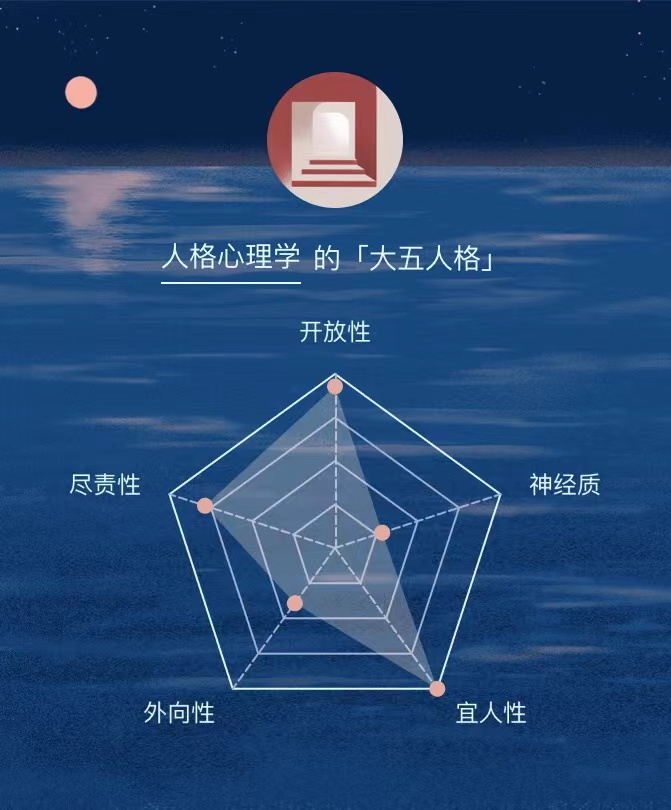
First: after forty episodes on personality psychology, what impression remains? If personality psychology were a person, how would we describe it using the Big Five introduced at the beginning?
It is introverted, devoting wisdom and insight to human nature. It has low neuroticism, maintaining its own calm rhythm in an anxious age. It is agreeable, warm, and sensitive, caring for the whole person with gentleness. It is conscientious, contributing rich humanistic nourishment to psychology. And it is open: respecting difference, welcoming debate, criticism, innovation, and knowledge from related fields while serving as their foundation and interface.
Second: after vast theories, complex evidence, precision, and concepts we may soon forget, we can lose sight of why and where the journey began.
Psychology’s mission is to understand humanity. More important than everything above is asking:What do I now know about humanity that I did not know before, or understand differently?”
The journey had three stages corresponding to three philosophical questions about human beings. Can we now offer some answers?
Question One: Who Am I?
The program’s title is To the Unique You. ‘Unique’ is not flattery or a blessing but fact. We all learn, think, and feel, yet in different degrees, directions, and ways. We dance to the same music but perform different steps.
Uniqueness is personality’s defining feature; personality psychology describes and explains individual differences. Part One showed how modern research measures them, while warning that tests are aids to self-knowledge, not limits imposed by who you are now.
Human difference embodies diversity, butin a clamorous age it also fuels conflict.
Biologically, diversity is necessary for evolutionary adaptation; psychologically and socially, difference is equally indispensable.Many forms of life inhabit this world. Observe curiously, respect what you do not endorse, and preserve inner order—perhaps the best way to live with our age.We can differ yet understand one another, allowing views unlike our own rather than destroying or despising them.
2022.04.26
Audio in Chinese
Related programs
A Mirror of Humanity: Fourteen Lectures on Animal Ethics
The history and philosophy of animal ethics
¥48.00
Included with membership

The River Rolls On: A Decade at the Oscars
Beyond “Best”: looking back on ten years of the Academy Awards
Free
Ten Philosophers' Proposals for Living
Philosophies of life from Socrates to Sartre
¥198.00
Included with membership


