




Finding Peace: 40 Introductory Lessons on Buddhism

Hello, I’m Cheng Qing. Welcome to Relief for Life: Forty Introductory Lectures on Buddhism.
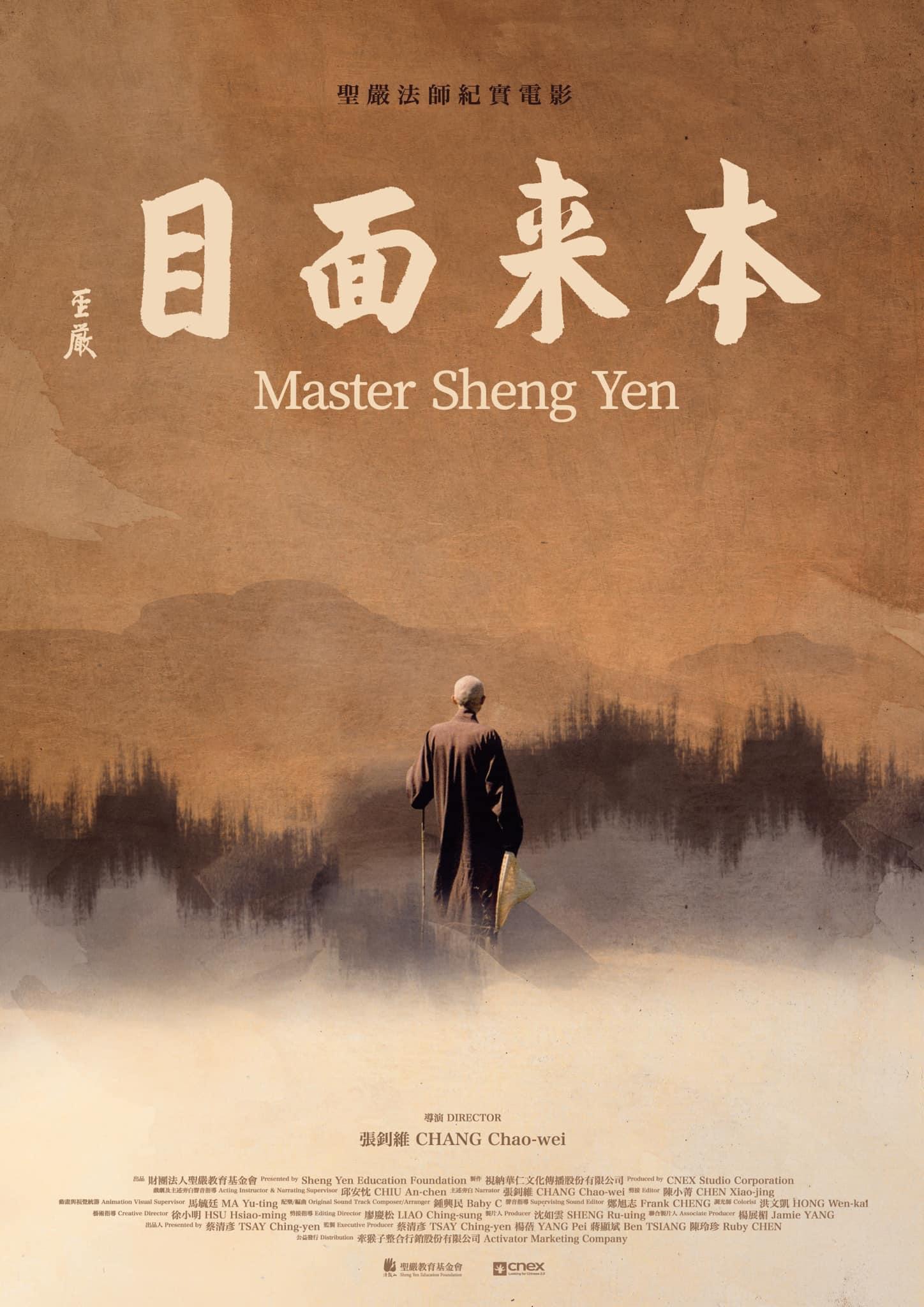
Not long ago, director Chang Chao-wei and I discussed the documentaryThe Original Face.It portrays Master Sheng Yen of Dharma Drum Mountain in Taiwan, but from an unusually nonreligious perspective. Interested listeners may find it online. Master Sheng Yen left many inspiring teachings. At his memorial hall on Langshan in Nantong, the entrance bears two lines in his calligraphy:“Though empty space may end, my vow is inexhaustible.”They always move me. Behind them lies a central Mahayana spirit: the bodhisattva’s great vow.
Why Must Bodhisattvas Make Vows?
Many people are easily confused by Buddhist phrases such as“let go of attachment” and “emptiness.”These seem to mean surrender, denial, or escape—leaving present life for a secluded refuge of dim lamps, ancient Buddhas, and few desires. Yet if Buddhist liberation meant that, after awakening Prince Siddhārtha would not have walked barefoot across northern India, tirelessly teaching and working in many ways to improve society.
Liberation is not imagined desolation. Still, many assume practice lacks passion and purpose. Śrāvaka practitioners, commonly associated with the Lesser Vehicle, generally leave worldly settings to seek personal liberation. Mahayana holds that complete awakening also requires all beings ultimately to be liberated.
Yet, as earlier episodes explained, one practicing the bodhisattva path must not hold a substantial mark of beings. The Diamond Sutra emphasizes thatall marks appear vividly but lack substance and essence: they are empty.Unlike ordinary people, Buddhas and bodhisattvas do not oppose self and other. We usually feel that a real “I” helps a real “you”; giver, recipient, and action all seem solid. That is attachment. Before helping, we may demand repayment; afterward, we may resent a lack of gratitude.
2024.01.10
Audio in Chinese
Related programs

Classics of Our Century: A Film History of the Twenty-First Century in the Making
Has the twenty-first century stopped producing classics?
¥189.00
Included with membership

Does Migration Make Life Better? I Have a Question 02
A wish list for exploring a new life
¥48.00
Included with membership

Fifty-Two Lives: Dai Jinhua's Masterclass in Cinema
Flowers beneath leaves, footsteps through snow in dreams
¥168.00
Included with membership