
Finding Peace: 40 Introductory Lessons on Buddhism

Since The Pig, the Snake and the Pigeon opened, friends have asked me to discuss it. Perhaps they feel that, as host of a Buddhism program, I should explain and clarify its spiritual content or distinguish Buddhism from the mind-body-spirit world.
It is easy to pair the film’s characters with greed, anger, and ignorance: Chen Guilin represents ignorance through the pig; Aberdeen represents anger through the snake tattoo; Lin Luhe represents greed through the pigeon tattoo. We can point and say these are worldly poisons receiving their deserved consequences.

Such external symbolism is valid, and the film clearly marks Buddhism’s three typical afflictions:greed, anger, and ignorance.Yet viewing it this way places us safely outside, as though these afflictions belonged only to villains.
A more fitting way to open the film may be this:its greed, anger, and ignorance are the deluded afflictions we all share.Remember:in Buddhism these are afflictions—forms of confusion—not the moral labels of good and evil we habitually impose.。
The spiritual leader craves money, sex, and worship, acts morally corruptly, and breaks the law. Yet brought back to ourselves, greed is universal: from a fine meal to wealth and adoration, we harbor impulses to possess, occupy, and rule. Law and morality restrain them. Society uses law and education to prevent greed’s unchecked growth from harming others and the common good.

Aberdeen’s anger illustrates the Buddhist formula: frustrated greed becomes anger. When conditions resist preference, resentment arises and, according to intensity, becomes rage or harm.
Parents erupt when children disobey: why are you like this, why will you not listen? This frustration comes from losing control, rooted in greed’s wish to control everything. Overprotected young people may control only schoolwork and imagine good grades guarantee a bright world. At university and work, rapidly lost control creates fear and opposition to reality. Today this anger may appear as passive resistance—being Buddha-like or lying flat—but still expresses frustration at powerlessness.
Aberdeen’s anger is extreme. A subordinate merely smiles at Xiaomei, provoking possessiveness and punishment. When Chen approaches her, suspicion makes Aberdeen want him dead. Behind this anger lies the extreme urge to dominate—greed.
Chen Guilin, played by Ethan Juan and repeatedly symbolized by a pink pig, represents ignorance.
Buddhist ignorance includes indifference to good and evil and inability to understand people and things, producing gullibility and emotional instability. Ranking only third on a wanted list makes Chen feel slighted and seek stronger men to prove himself. Arrested, he excitedly shouts to reporters, ‘My name is Chen Guilin!’ Even this fearless killer is quickly deceived by Lin’s harmonious spiritual group and rhetoric of becoming new, surrendering himself and burning the pink-pig watch from his grandmother.
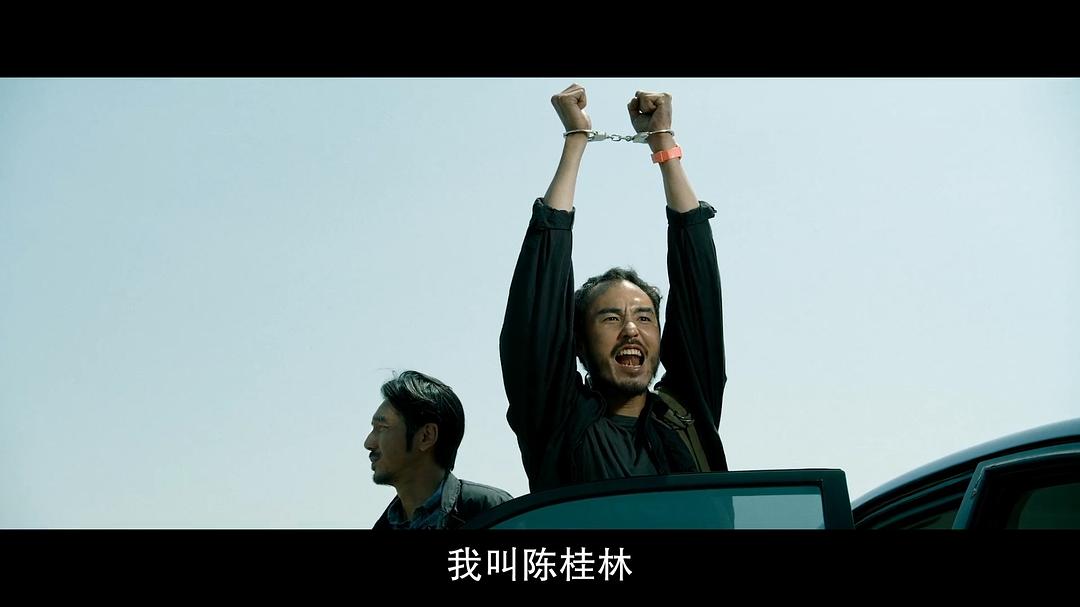
Most violent films pit greed against anger in struggles for power. This film instead creates a muddled Chen who often does not seem conventionally evil. He treats vulnerable people warmly, including abused Xiaomei and the doctor who deceives him about illness. Even before execution he eats his last meal like a happy child without visible fear. This is not transcendence or spiritual courage, but ignorance.
Unlike the original tale in A New Account of the Tales of the World, where Zhou Chu awakens, reforms, and reaches a Confucian ending that moves from evil toward good,Chen’s death closes a circle: beings are born, love, hate, and die with affliction, trapped in a net of ignorance.Before execution Xiaomei brings clothes bearing a pink pig, and Chen gives her his treasured pig watch. The exchange warms two drifters, yet also suggests they remain helpless fools of the dusty world.
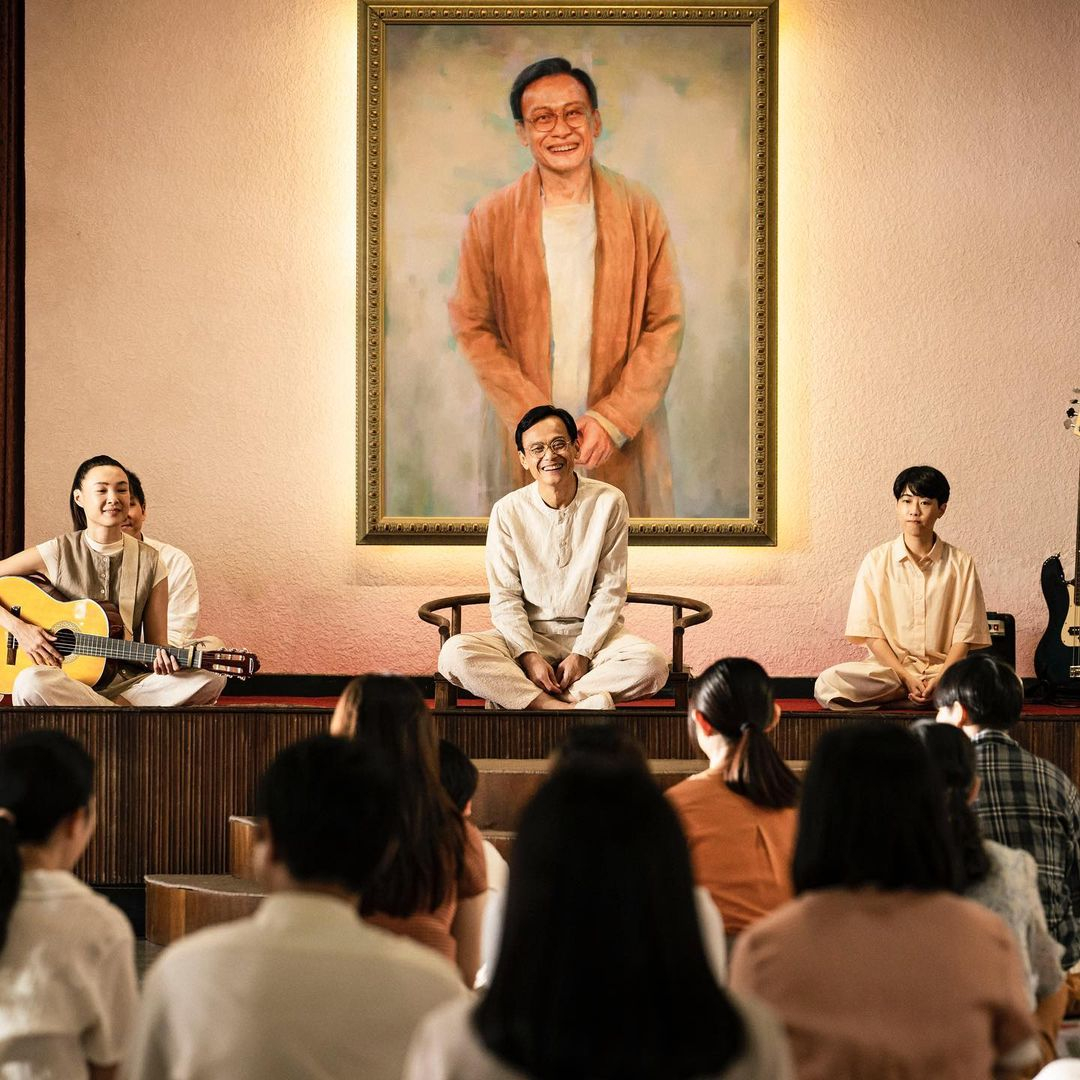
The most deceptive element is Lin Luhe’s spiritual group. From outside we easily call it a cult, but understanding the inner logic of individuals and groups pursuing beauty and awakening is harder.
Lin’s spiritual guidance initially sounds reasonable:‘Is having nothing not good? Is living without purpose not good? Cast everything aside, eliminate fame, power, money, and possessions, and return to the true self.’Such rhetoric recognizes that seekers of comfort have been harmed by materialist values: some fail to obtain what they seek, while others have enough yet find worldly life unsatisfying and meaningless. Fierce rejection of worldly values resonates and promises a simple spiritual utopia. Butthe greatest trap is that such guidance often increases dependence on an individual or closed organization, narrowing minds into a self-contained explanatory system.Eventually Lin even says:‘How many die in earthquakes and disasters? How many have I killed?’His self-defense exposes extreme egocentrism.
History repeatedly poses this problem:when spiritual leaders, religious teachers, and founders offer guidance, do they liberate individuals or deepen dependence on an organization or person?
Consider leaving Buddhist ordination. Becoming a monastic requires review, study, and vows, but returning to lay life or abandoning belief is simple. A monastic need only declare relinquishment of vows to another fully ordained monastic; a layperson may tell someone who understands refuge that they renounce it. Buddhism’s organization is therefore loose becauseit emphasizes individual awakening rather than dependence compelled by another power.
Religious groups often erode courage to question, yet Buddhist scriptures overflow with questions from disciples and outsiders answered by the Buddha. His aim is not to deepen confusion but create conditions to dispel it. Before death he repeatedly told disciples to rely on Dharma, not persons, and to take discipline as teacher. He recognized thathumans are easily deceived by decorated appearances, following charismatic figures with supernatural or awakened auras and mistaking attachment to sacred appearance for spiritual truth.
This does not reject learning from teachers. External circumstances are tools for observing our own afflictions, not for intensifying outward grasping. The Buddha even barred ascetic disciples from staying under one tree more than three days lest attachment arise. This shows how rapidly and firmly we attach to appearances. He did not say settled people cannot gain wisdom, but thatwe must remain alert to how readily mind constructs and clings to everything, cultivating our own insight rather than projecting hope onto the Buddha.Ānanda heard countless teachings and stayed beside the Buddha but had not become an arhat at the Buddha’s death. Mahākāśyapa barred him from the council until he did so, leaving him without support and forcing final awakening. What better model of self-awakening?
The spiritual leader’s phrasereturn to the true selfalready reveals the group’s greatest confusion, becauseasserting a true self necessarily opposes it to a false self. It misses that self itself is illusory; no substantial true self awaits return, only dependently arisen life performing changing functions.Within spiritual groups, leaders often monopolize the meaning of true self, asking members to surrender the small self to the group’s great self represented by its leader. Followers then accept leaders’ crimes. This is more than brainwashing; it is a recurring trap of human thought. Nothing is new under the sun.
After shooting Lin, Chen prepares to leave but hears followers calmly sing New-Made People. He returns and threatens them. Some flee immediately, some only after his gun jams, and many await death while singing. Their calm seems transcendent but rests on profound misunderstanding of awakening.Behind it lies the tragedy of deluded life: humans seek spiritual freedom yet remain enclosed by an invisible net of ignorance.
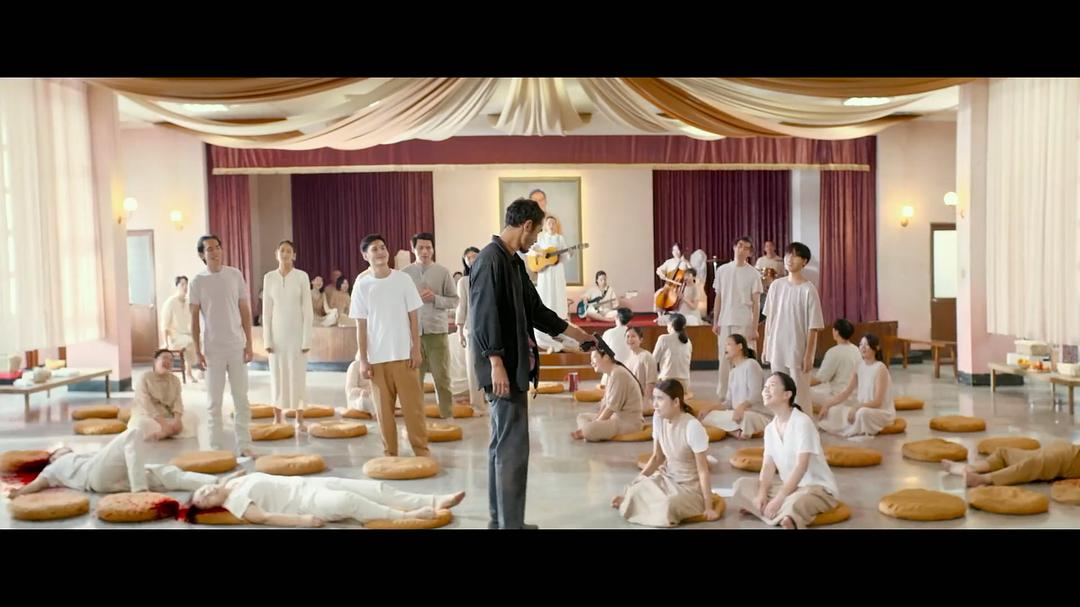
Attractive words such as sacredness, peace, and happiness can therefore lead people onto humanity’s darkest roads.The film shows that humanity, ourselves included, cannot easily escape deep cognitive traps. It is not simply a spectacle of others’ good and evil.
Butwhen we stop watching from outside and place ourselves among the characters’ greed, anger, and ignorance, awakening begins. Following the Buddha means seeing these poisons in ourselves; that is the right direction for wisdom.
2024.03.19
Audio in Chinese