






Consensus and the Baseline: A Scholar's Journeys and Reflections

Listening Guide
1. Conditions that gave rise to Egyptian civilization
2. Sumer predates Egypt
3. Gods and humans in Western realist art
4. Egyptian hieroglyphs
5. Changing understandings of ancient Egypt
6. The Nile nurtured ancient Egyptian civilization
Related to This Episode
1. Sumer
An early civilization in southern Mesopotamia, now southeastern Iraq, established by the Sumerians from 4100 to 2000 BCE. It lay in the Tigris and Euphrates basin, with Uruk as its capital and Sumerian as its official language.
2. Uruk
An ancient Sumerian city in southwestern Mesopotamia, on the right bank of the lower Euphrates in what is now Iraq. In remote antiquity, the Sumerians created the Uruk culture here, circa 3400—3100 BCE. Its inhabitants made bronze and pottery, erected enormous monumental towers, and developed pictorial writing that became the germ of Mesopotamian cuneiform. Uruk later emerged as an early city-state and religious center.
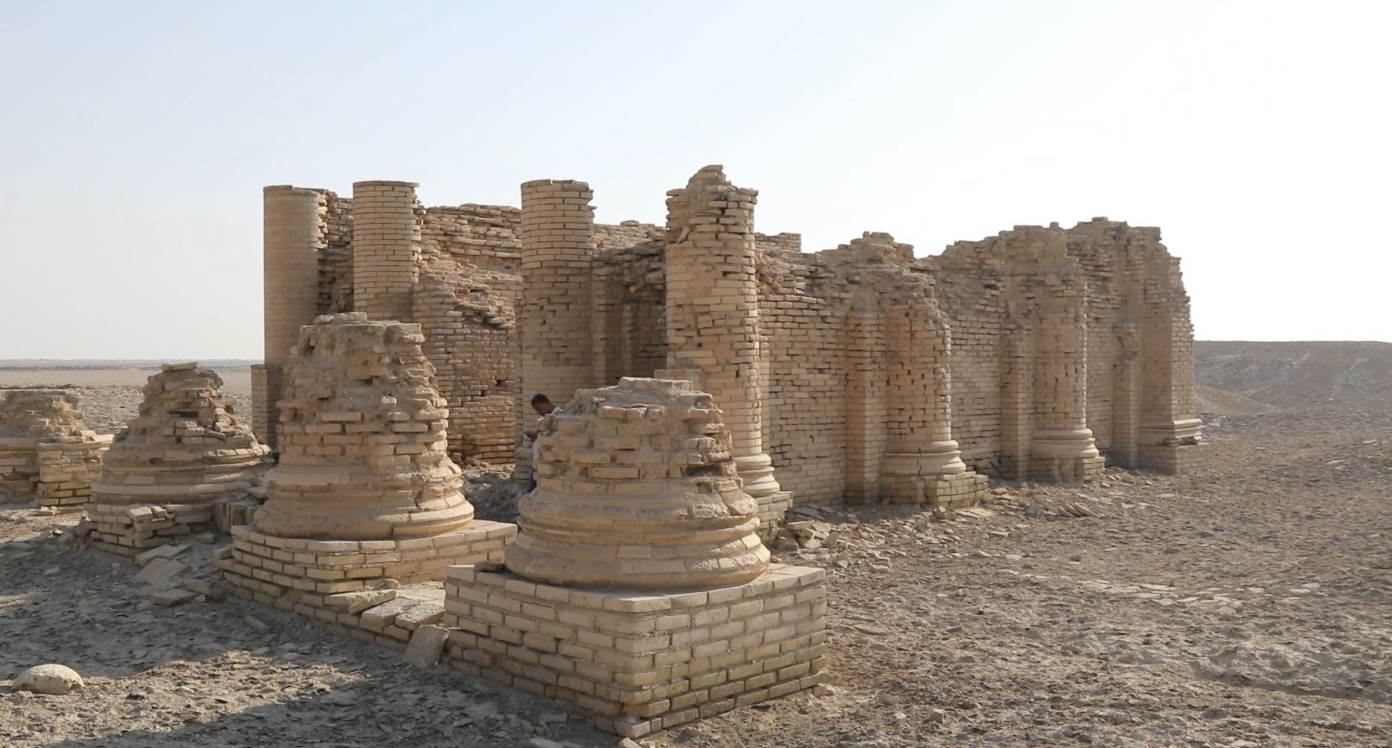
Ruins of ancient Uruk. Image: Xinhua News Agency
3. Phidias
An Athenian widely regarded as the greatest Classical sculptor. His celebrated works included the Statue of Zeus, one of the Seven Wonders of the Ancient World, and the Athena Parthenos. Both were destroyed long ago, but many ancient copies survive.
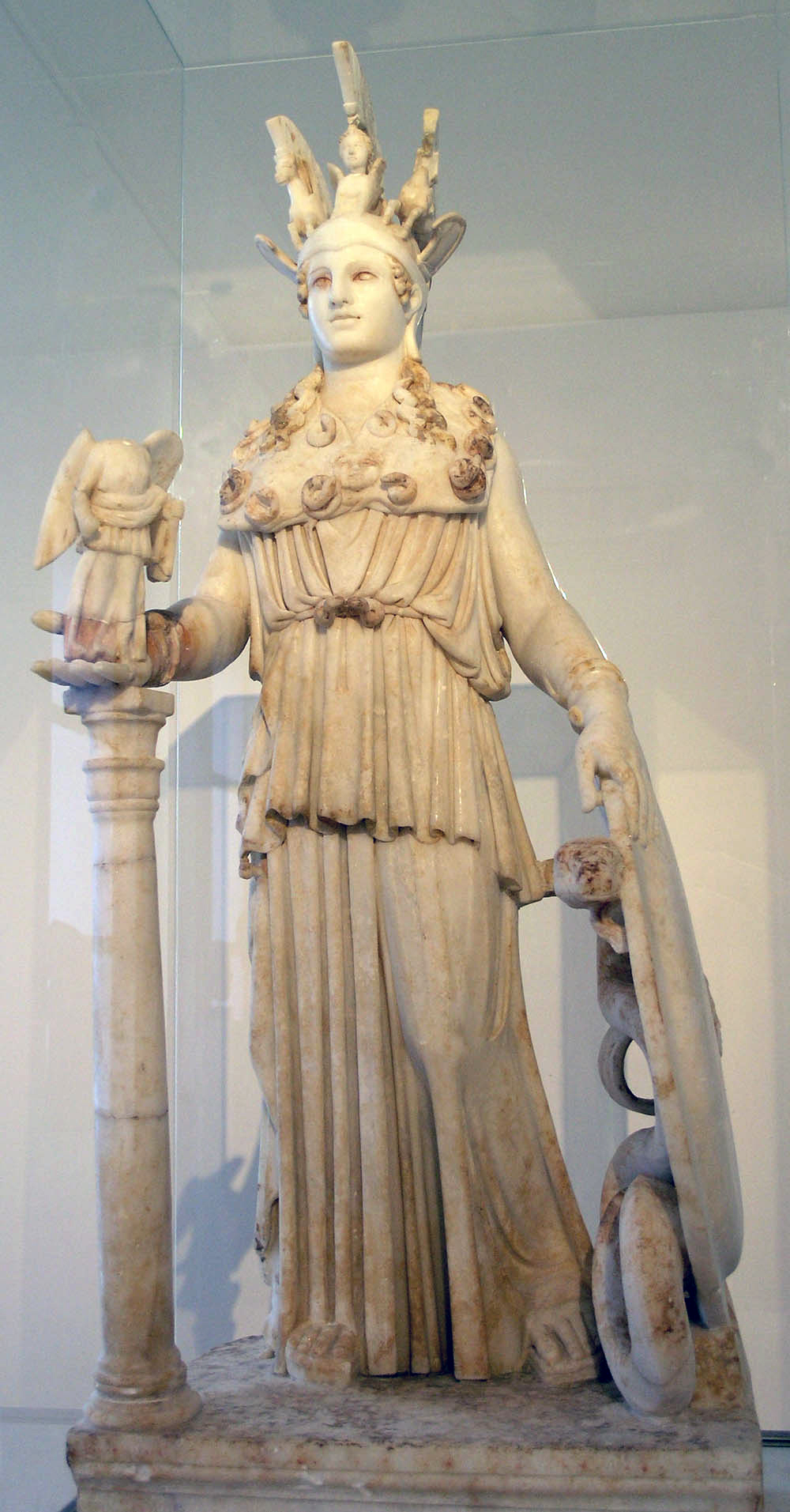
Roman copy of a statue of Athena, National Archaeological Museum, Athens. Image: Wikipedia
4. Akhenaten's Religious Reform
2025.07.18
Audio in Chinese
Related programs

The Measure of Civilization: A Brief History of Law in 30 Lectures
What problems did humanity create law to solve?
¥98.00
Included with membership
Ancient Books, New Readings
Rediscovering old books through contemporary eyes
Free

Growing Up and Becoming an Anthropologist: 60 Lectures
An introduction to anthropology through birth, aging, illness, and death
¥168.00
Included with membership


