




Unconventional Relationships: Escape, Healing, and the Search for Love

【🤲🏻❤️: This bonus feature is even better paired withthe main episode!】
Hello, everyone. I’m Xuemin.
This is a bonus feature for Episode 1 of Abnormal Relationships. Drawing onLecture 1, I will expand our discussion through the television drama Dangerous Relationship, starring Sun Li and Wu Kang-ren.
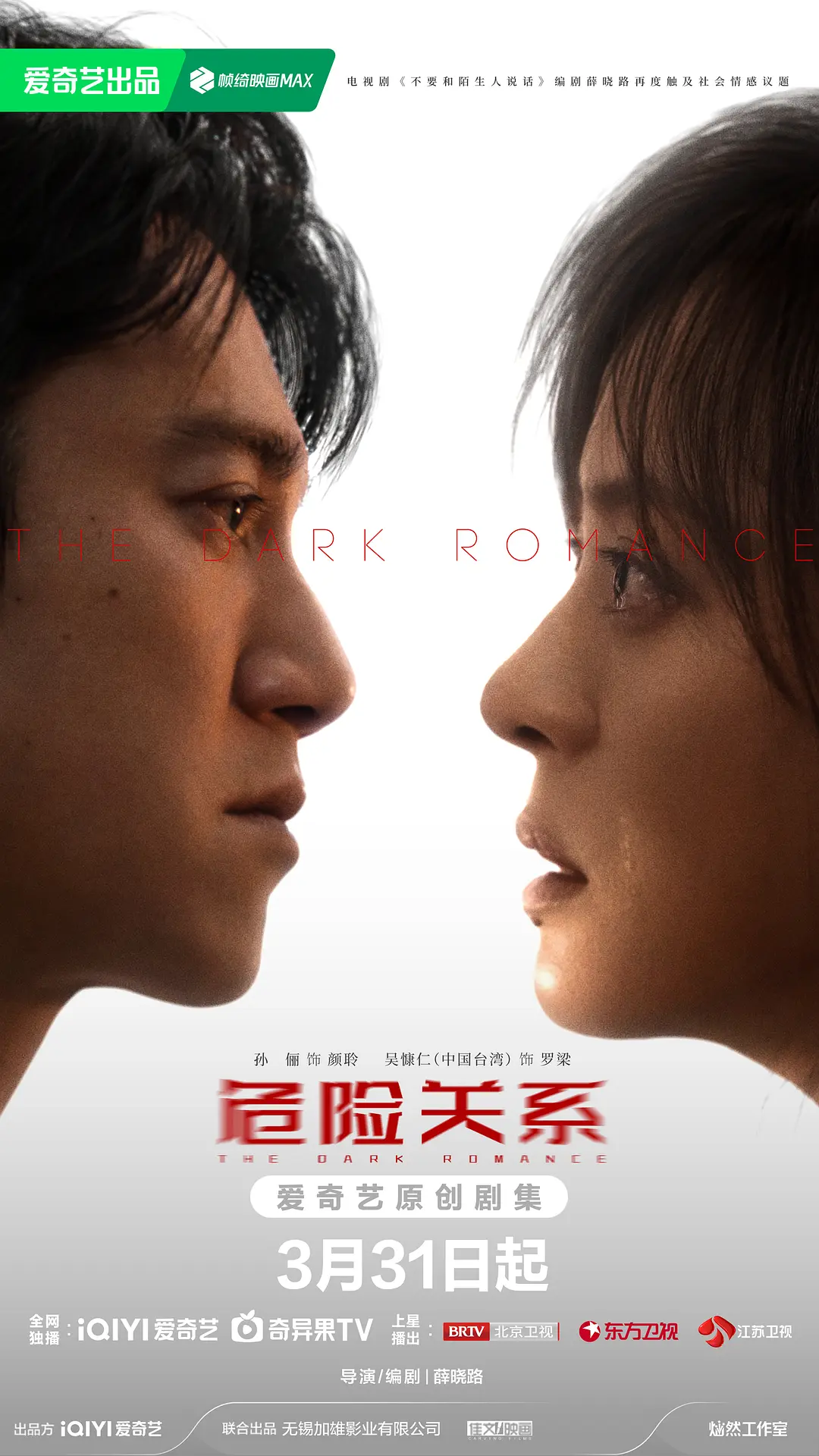
Dangerous Relationship (image: Douban)
The drama follows university lecturer Yan Ling as she investigates her best friend’s suicide and meets gentle psychiatrist Luo Liang. She believes he is light in the darkness and her long-awaited salvation, but he seduces, isolates, and negates her through coercive control, even killing her mother. Yan Ling ultimately fights back and Luo Liang is punished by law.
Yan Ling’s relationship almost perfectly fits our analysis of abusive love. Three abnormal elements recur throughout: rationalizing or romanticizing harm, suppressing the self, and fantasizing about the future. Here I expand on one:rationalizing and even romanticizing harm。
When Luo Liang attacks Yan Ling through her past with Ding Zhibo, his manipulation leads her to accept that past as awful and dirty, to regard his treatment as reasonable, and even to see it as proof of his love and possessiveness.
This rationalization of harm appears throughout Yan Ling’s relationships.
Her mother blamed her father’s fatal car crash on Yan Ling’s insistence that he buy a birthday cake. Yan Ling accepted the blame without recognizing that an adult mother who treats a minor this way is neglectful and cruel.
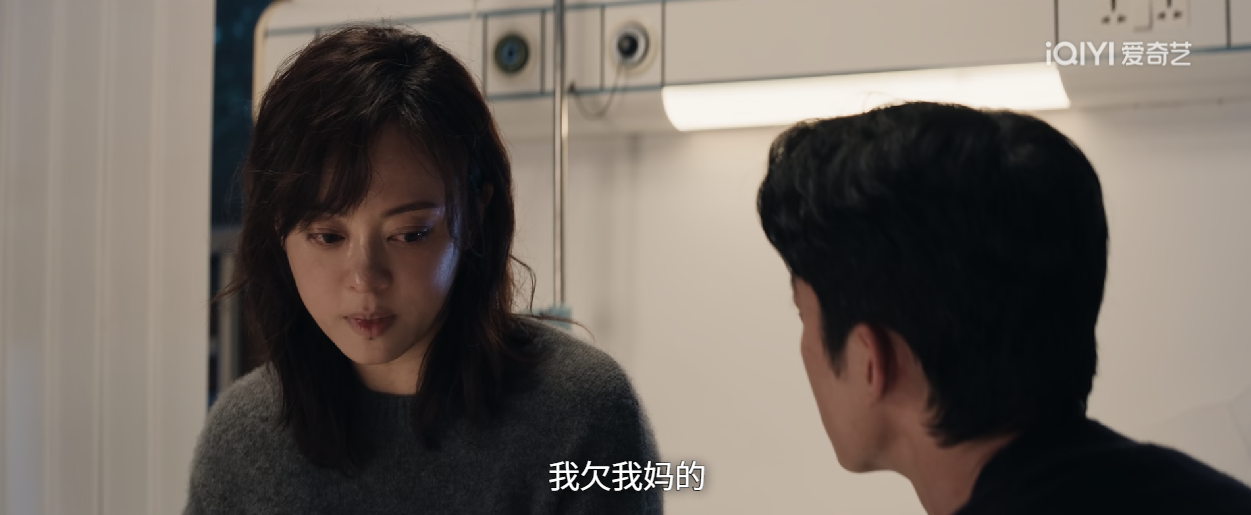
Under her mother’s accusations, Yan Ling also feels indebted to her (image: Dangerous Relationship)
Her work relationship also resembles abusive love. When the university distances and guards itself from her during controversy over Ding Zhibo, she blames herself for troubling the institution—also under Luo Liang’s manipulation. She never asks whether the school failed its duty to protect an employee fairly or to show the public how an authoritative university could understand and answer a serious case involving the grooming of minors.
For a long period of Yan Ling’s life, harm is repeatedly rationalized or beautified. The other two elements discussed in the main program also appear, but I will leave them for you to analyze: how does she suppress herself and fantasize about the future? I look forward to your comments.
Next, let us discuss how to face harm and respond to manipulation, blame, belittling, and boundary violations.
Many viewers think the heroine begins with strong agency. When Yan Ling takes her student Li Changning to psychiatry, Luo Liang asks whether the student has romantic problems. Yan Ling says she does not know, and he sneers, “Is being her homeroom teacher merely an honorary title?” Yan Ling answers: “You do not need to speculate about me. I need not prove what kind of teacher I am. I only want to know what is happening to my student and how I can help her.”
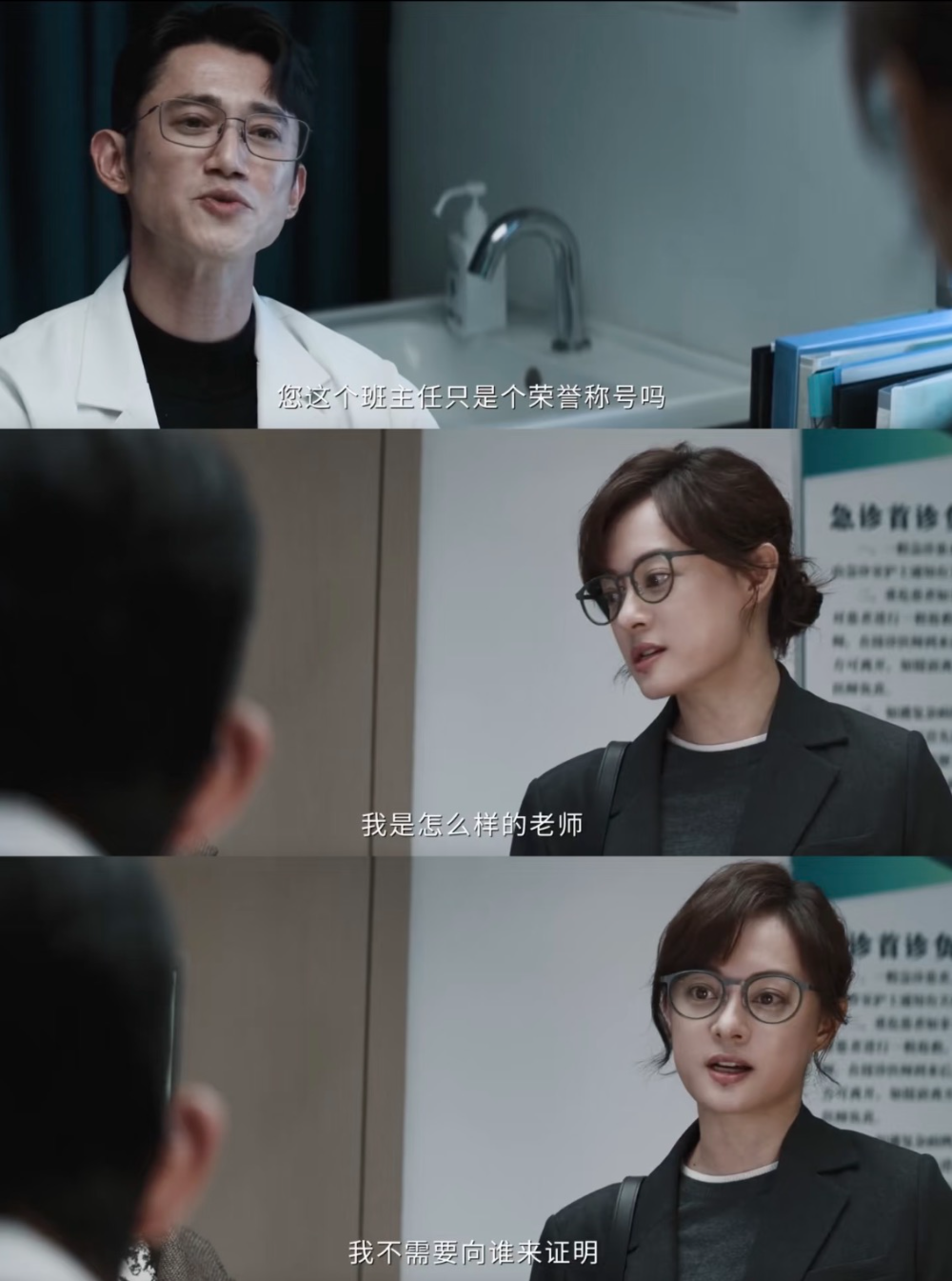
Yan Ling maintains her boundary against Luo Liang’s unreasonable accusation (image: Dangerous Relationship)
That response protects her boundary: she does not internalize his blame, restores equality to the exchange, and returns attention to what matters. That reading is correct. She expresses clear self-knowledge and moves the task forward.
But I expect more of Yan Ling. I want every kind and responsible person to protect themselves and those they care about more powerfully, so let me suggest what she could improve.
When Luo Liang shifts focus to judging her, Yan Ling answers that focus with “I need not prove what kind of teacher I am.” She need not answer at all. She could keep attention on the doctor and treatment: “You make reckless claims without understanding the situation. If this is how you treat patients, I worry whether Li Changning can receive proper care from you or this hospital.”
Patients have fewer choices within the power relationship of medicine, so directness may be difficult. She could ignore his judgment and calmly say: “Dr. Luo, please investigate what is happening with Li Changning and tell us promptly. We will learn more too.”
In short, keep attention firmly on the other person, identify their behavior, and ask: “What are they doing? If they did this to everyone in every such situation, what would it be?” If Luo Liang said to every companion, “Is being her mother merely honorary?” or “Is being his partner merely honorary?” would he not lack both medical ethics and professional competence?
Thinking this way frees you from answering the doctor’s judgment and helps you reclaim leadership: you are bringing someone for treatment and must decide what kind of doctor can provide it.
When life leaves us wronged or ashamed, we can focus on the other person and name their behavior. This makes us clearer and stronger, sometimes more relaxed, and gives any action a direction.
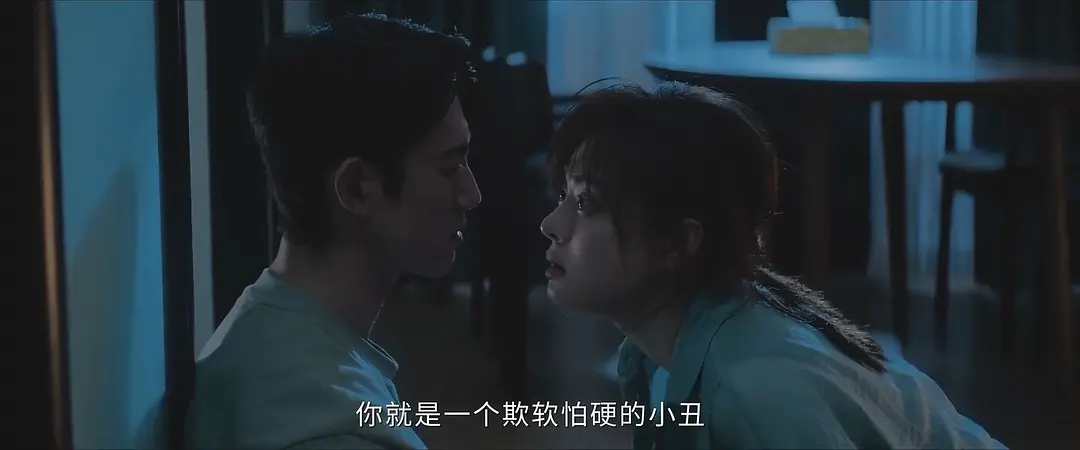
Yan Ling finally sees Luo Liang clearly and stops rationalizing or romanticizing harm (image: Dangerous Relationship)
That is all for today’s bonus feature. I look forward to your thoughts about it or Dangerous Relationship, and to hearing what bonus topics you want next. Until next time.
2026.05.18
Audio in Chinese
Related programs

When Love Ends: The Infinite Life Reading List, Season 18
What Is Left to Say About Love?
¥48.00
Included with membership

Love and Pain: 30 Attempts to Break Free from Hurt
Move beyond instinct and understand harm committed in the name of love
¥128.00
Included with membership

Realizing Justice: The Legal System in 40 Lectures
How far are we from the law?
¥128.00
Included with membership