




Unconventional Relationships: Escape, Healing, and the Search for Love

【🤲🏻❤️: This bonus featureis bestpaired withthe main episodefor full flavor!】
Hello, everyone. I’m Xuemin.
This is the bonus feature for Episode 3 of Abnormal Relationships. Drawing onLecture 3, I discuss the film We Made a Beautiful Bouquet.

We Made a Beautiful Bouquet (image: Douban)
First, let us briefly review the main episode.
Teacher-student, doctor-patient, and therapist-client romances involve not only unequal power but “greenhouse love.” They arise and develop within specific spaces and interactions. Stable settings such as schools and classrooms, recurring teacher-student contact, and a responsible teacher’s steady acceptance readily make a student feel love and being loved.
Roles and their setting generate these feelings, like a greenhouse plant loving its irrigation system. Usually this is not love, and once outside the greenhouse both feeling and relationship rapidly dissolve.
Now to We Made a Beautiful Bouquet.
Released in 2021, the film has an 8.6 rating from 830,000 viewers. Many say its couple resembles a past relationship whose ending was as regrettable as its beginning was sweet.
The leads seem like soulmates: they love the same books, films, and music and even wear identical shoes when they meet. As students beginning a romance, they share food, fun, and beautiful views, and accompany one another to interests they do not personally share.

Kinu Hachiya marvels at meeting someone who thinks just like her (image: We Made a Beautiful Bouquet)
After graduation comes the turn, and they drift apart.
Kinu still wants freedom and only what she loves; Mugi seeks career progress and financial security. Their rhythms and conversation diverge. She thinks he became a boring adult; he thinks she fails to understand his effort and hardship.
Neither exactly changed. She always wanted shared interests and an easy, happy life with enough but not wealth. He still wants a better life for both, working so hard he forgets his old wish to finish at five and keep drawing.
The purity of their feeling is beautiful, yet their profound resonance and attraction also feel dangerous—a hidden risk and challenge.
It too is a greenhouse, built from similar tastes and seeing oneself in the other.Shared tastes create mutual understanding and relieve loneliness. Each person shines to the other; they become mirrors and magnifying glasses, confirming existence and amplifying light.This affinity forms a greenhouse, while the specific interaction of exchanging and sharing tastes further strengthens feelings of love.
They drift apart after the relationship leaves the greenhouse while one still longs for it. The greenhouse feeling remains her standard for whether love exists and whether they fit, so comparison brings growing disappointment.
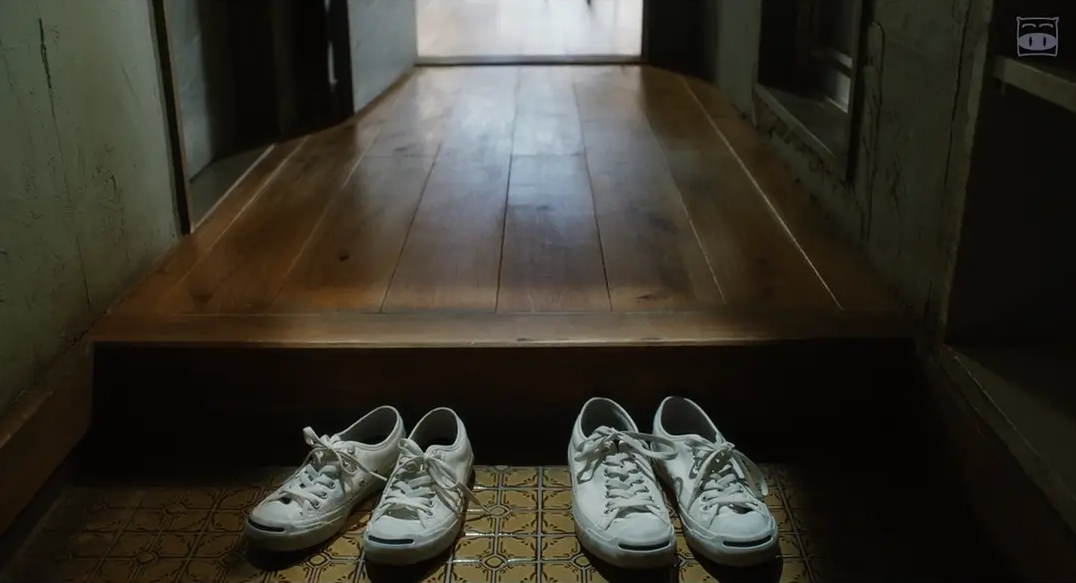
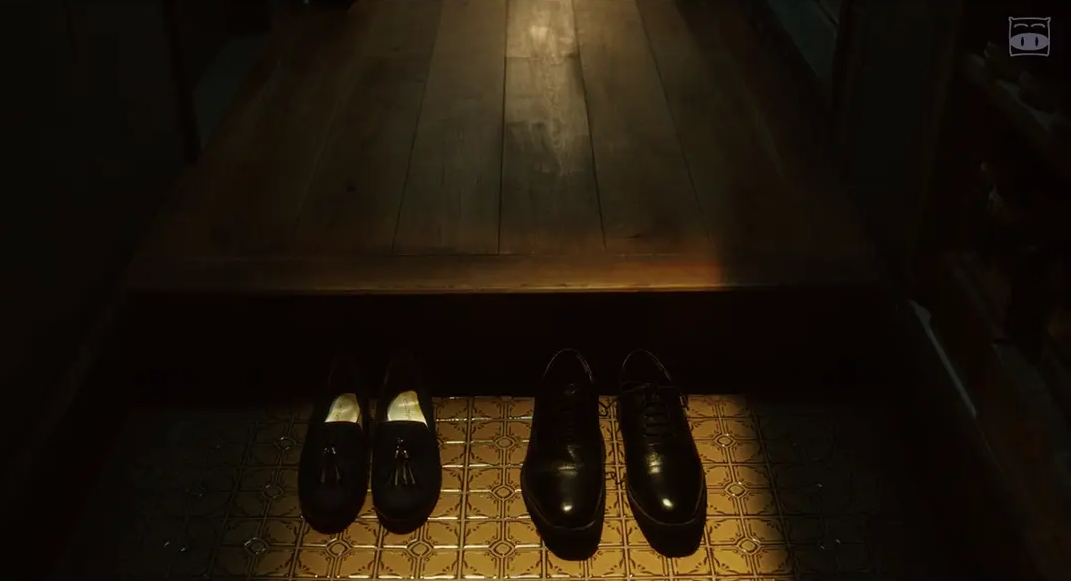
The identical pairs of shoes at the door become different shoes (image: We Made a Beautiful Bouquet)
After Mugi becomes absorbed in work, he describes a client’s brilliance and humiliation. Kinu says, “You let someone like that hurt you?” Feeling wounded or disconnected, he touches their books and says, “I remember none of them. I envy that you still read these.” She replies lightly, “Then read. Just rest.” He says he cannot rest or read. Their later breakup is sad but imaginable.
Kinu’s decision to leave fully embodies self-love and freedom for both. When Mugi impulsively proposes because he cannot bear separation—“aren’t all married couples like this? We can be too”—she firmly refuses. Whatever life she seeks, in greenhouse or storm, she remains true to herself without forcing him.
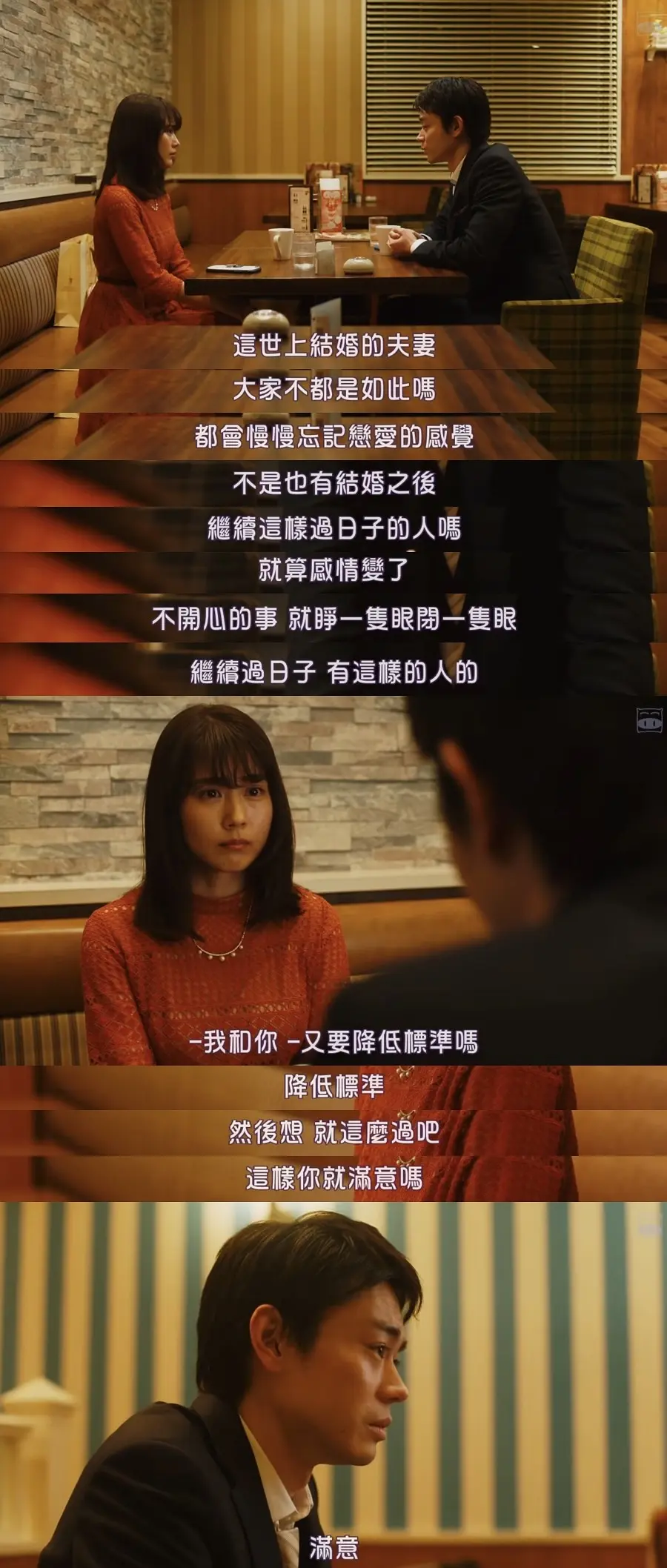
Mugi Yamane proposes and Kinu Hachiya refuses (image: We Made a Beautiful Bouquet)
Now back to greenhouse love.
The setting in which love begins is often a greenhouse. Shared taste in this film is one; deep conversation in daily life is another.Especially between anxious and avoidant attachment, one person’s passionate speech and the other’s quiet listening make each think: “How patient and caring,” or “How warm; my listening matters.” Both believe love has occurred.
What greenhouse comes to your mind?
Besides an initially attractive setting, a life stage or a need specific to it can create a greenhouse.At a low point, we want care and rescue; when misunderstood and lonely, understanding and affirmation; while traveling, companionship and shared emotion and scenery.
These greenhouses create a temporary, ideal secure base that satisfies attachment needs.
As the program says, absent a specifically unequal power relationship, greenhouse love is still a feeling that truly occurred.If both prepare to leave the greenhouse, grow in reality, support each other, and water the relationship together, they may create lasting love.
Even if it does not last, a relationship that genuinely illuminated both lives still has meaning.Remaining forever in the greenhouse is fortunate too; choosing a greenhouse relationship without seeking duration is also good if it brings happiness and meaning.
That is all. What other greenhouses of loving and being loved came to mind? Have you experienced greenhouse love, and what happened outside it? I look forward to your stories and requests for future bonus features. Until next time.
2026.06.01
Audio in Chinese
Related programs

When Love Ends: The Infinite Life Reading List, Season 18
What Is Left to Say About Love?
¥48.00
Included with membership

Love and Pain: 30 Attempts to Break Free from Hurt
Move beyond instinct and understand harm committed in the name of love
¥128.00
Included with membership

Love and Fear: The Dilemmas and Possibilities of Marriage Today
How can we reimagine intimate relationships?
¥98.00
Included with membership