Return to the sources of Western thought
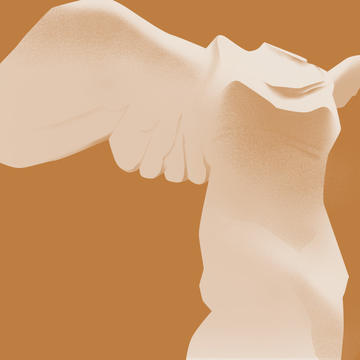
Between the eighth and fourth centuries BCE, Greek thinkers opened a path from the human mind toward the cosmos. More than two thousand years later, their poetry, fables, drama, history, and philosophy still preserve universal experiences and warnings.
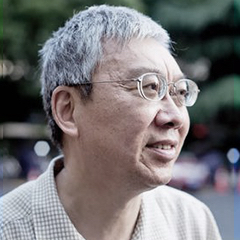
Humanities scholar Xu Ben guides readers through Homer, Hesiod, Sappho, Aesop, Aeschylus, Sophocles, Euripides, Aristophanes, Herodotus, Thucydides, Xenophon, Plato, and Aristotle. The course restores the living world behind the texts and connects literature with politics, ethics, history, anthropology, and society.
Four ways into Greece
- Poetry and fable: hospitality, memory, work, gods, desire, praise, and the wisdom of the powerless.
- Drama: freedom and empire, tragedy and comedy, refugees, civil disobedience, justice, democracy, and gender.
- History: plague, civil war, revolution, imperial power, and the struggle to tell what really happened.
- Philosophy: tyranny, citizenship, virtue, friendship, happiness, justice, knowledge, and political order.
The most vital Greek legacy is not passive admiration but humanistic self-criticism: an invitation to examine dark impulses, fragile civic virtue, unjust institutions, and the difference between knowledge and wisdom in our own time.