



Unconventional Relationships: Escape, Healing, and the Search for Love

Hello, I’m Xuemin.
Welcome to Chapter 2 of Abnormal Relationships: Can We Still Love? Healing in Broken Relationships.
Before beginning, let me explain what differs from and continues the previous chapter.
Chapter 1 examined abusive love, teacher-student romance, transgressive bonds, and other relatively independent phenomena. If it resembled an American anthology series entering a new story each episode, Chapter 2 is a continuing serial.
We will explore common, complex subjects such as breakups and infidelity, untie knots found in any intimacy, and try to rebuild selves and relationships amid an emotional world still turbulent or ruined.
As in Chapter 1,we will identify hidden abnormal elements in ordinary interaction. What looks like personality differences, poor communication, or common habits can accumulate and alter how partners understand and respond, gradually depriving two loving people of understanding, trust, and closeness.
We will also confront loss more deeply.Life and culture often treat loss as a shadow we avoid discussing. Though real and universal, it is marginalized as abnormal. Yet our capacity to love, feel happiness, and find fulfillment often depends precisely on how we meet loss.
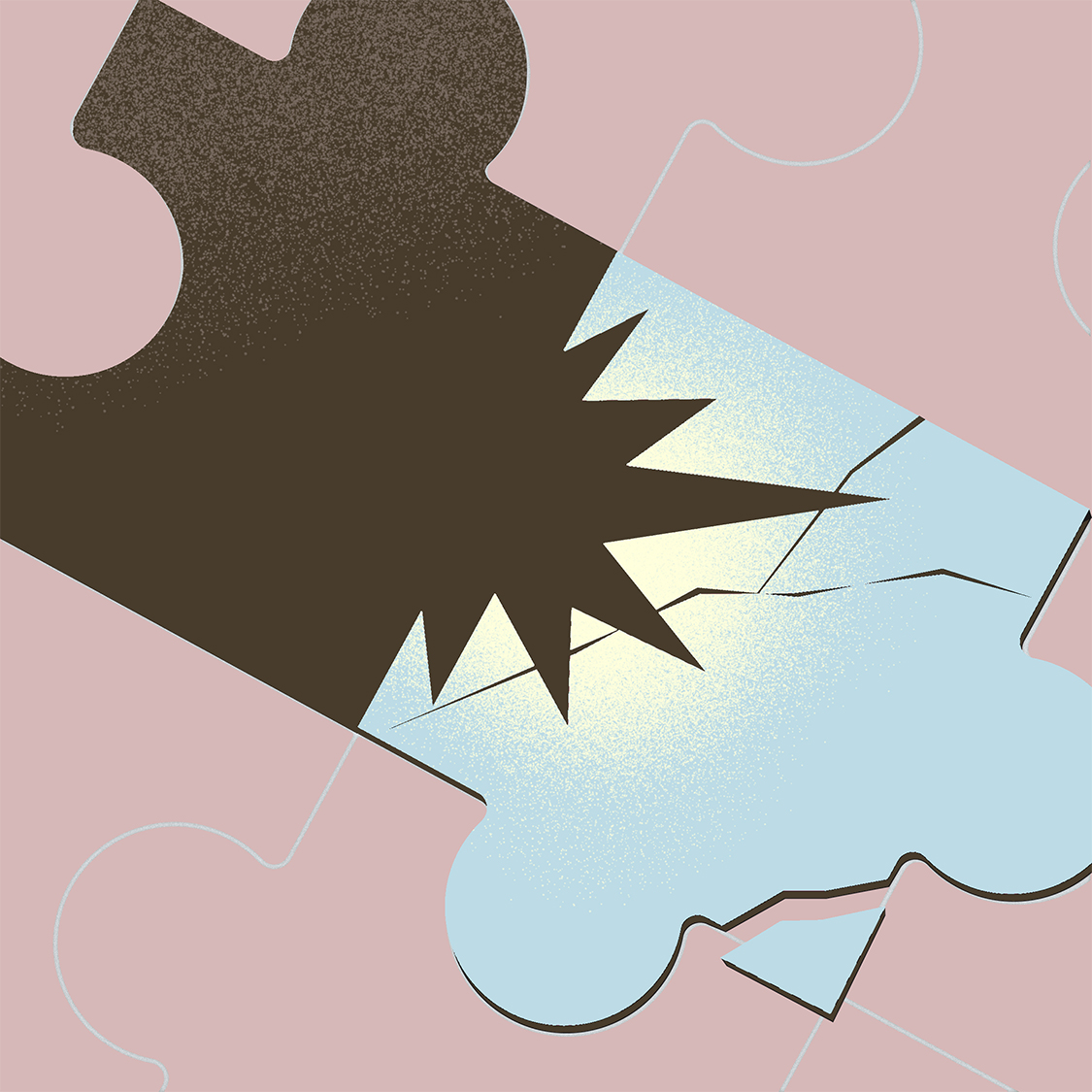
Today I present four abnormal elements that often fracture relationships in counseling practice. This episode maps Chapter 2: seeing where cracks begin may guide understanding and action around breakup, betrayal, repair, and farewell.
Here, fracture means the breaking of intimacy, not necessarily formal separation or divorce. A couple may remain together while guarding against each other, living in cold war, co-parenting, or separated in practice; trust and closeness have already gone.
Let us see how cracks appear, deepen, spread, and ultimately become difficult-to-repair collapse.
Living by unexamined beliefs
The first element is living by unexamined beliefs.
These are not repeatedly verified facts but convictions about love, partners, and relationships. We often mistake them for self-evident truths.
They shape expectations: what a loving partner should do and how a relationship should develop.
Examples include: each person has one destined true love; good matches are fated; love at first sight is truest; true love is perfect and defeats every obstacle; love accepts everything willingly; mind-reading matters; men and women are inherently different; arguments ruin true love; and so on.
2026.08.14
Audio in Chinese
Related programs
Love and Fear: The Dilemmas and Possibilities of Marriage Today
How can we reimagine intimate relationships?
¥98.00
Included with membership

When Love Ends: The Infinite Life Reading List, Season 18
What Is Left to Say About Love?
¥48.00
Included with membership

Love and Pain: 30 Attempts to Break Free from Hurt
Move beyond instinct and understand harm committed in the name of love
¥128.00
Included with membership