



Unconventional Relationships: Escape, Healing, and the Search for Love

Hello, everyone. I’m Xuemin. It has been a while since we used a film for a bonus discussion.
Today, through Twelve Nights, I want to discuss something many people do after a breakup: reflect.
We repeatedly look back: what happened, where did things go wrong, and would we still have ended here if either of us had acted differently?Sometimes we genuinely seek experience from the past; sometimes we remain trapped in ‘if only,’ growing more regretful and unreconciled.
Twelve Nights contains a memorable moment of post-breakup reflection. First, let me introduce the film.

Twelve Nights (image: Douban)
Directed by Hong Kong filmmaker Aubrey Lam, a longtime collaborator of Peter Chan, it stars Cecilia Cheung and Eason Chan, with Nicholas Tse appearing at the beginning and end.
In only ninety minutes, twelve nights trace the protagonists from meeting and falling passionately in love through boredom, exhaustion, conflict, separation, reconciliation, and another breakup. There is little melodrama; they resemble ordinary couples around us.
At first everything feels magical, and every past detail seems to have prepared this destiny. The heroine marvels that despite tiny odds they met and fell in love—surely fate.
In passion they become love's lunatics, endlessly talking and meeting. Though busy, he calls her at two or three a.m., then drives singing through even a flat tire to embrace her beneath her building at dawn.
Passion gradually settles. He finds romance exhausting and prefers sleeping at home to traveling on holidays. Complaints multiply: she hugs male friends, dresses ‘improperly,’ has calves too thick for short skirts. He asks, ‘Am I guilty if I cannot meet you? Am I guilty if I don't wear what you buy?’
She, however, invests more—seeking him out, repeatedly confirming love, and giving increasingly to preserve the bond.
Once she spent the night retrieving his repaired computer before a business trip. At his office she learned the trip had been canceled and she was the last to know. They fought. She cried: ‘You aren't the only one with work and meetings! I've done so much—why aren't you moved?’ That night they separated.
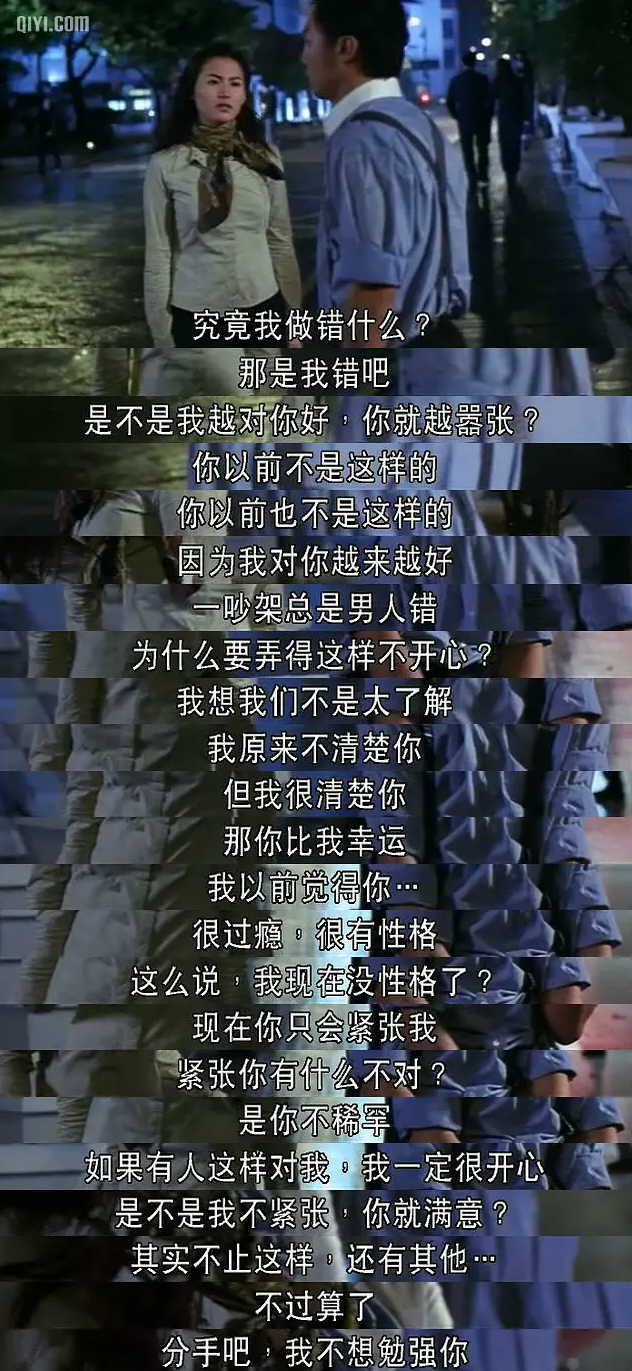
Jeannie and Alan's conflict before breaking up (image: Twelve Nights)
The film's most classic and ironic scene comes when they meet again.
At a restaurant she earnestly recounts months of growth and reflection, blaming her own immaturity and accusations. When she finally looks up, he is asleep.
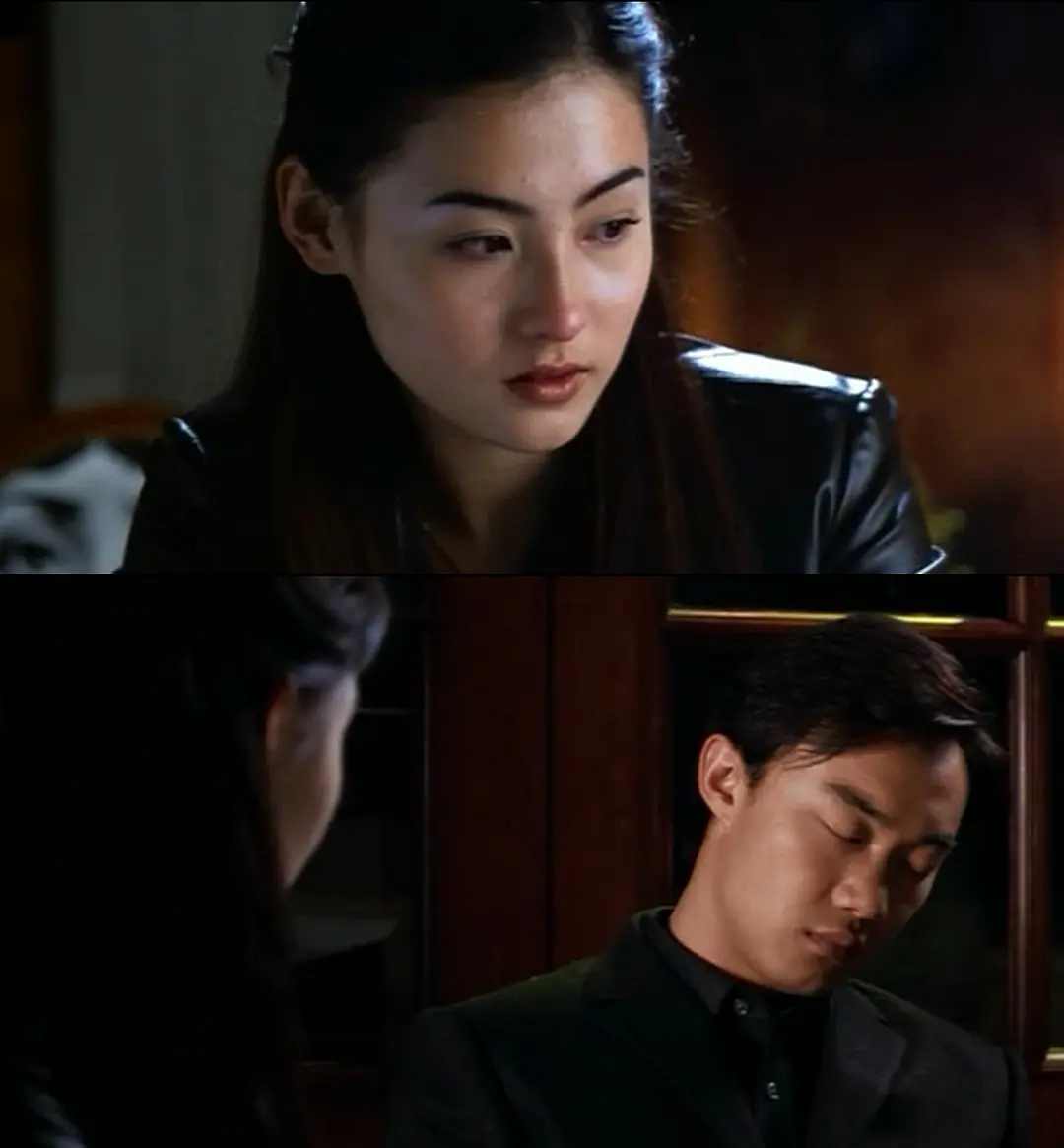
Jeannie describes her post-breakup journey and discovers Alan asleep (image: Twelve Nights)
The scene summarizes their bond. She immerses herself in understanding, explaining, and managing it; he seems present, but often love never occurs—only passion did.
Interestingly, they reconcile, but their positions nearly reverse.
He becomes obsessed again while she grows cool. Learning that their meeting came from a misunderstanding rather than destiny strips it of meaning. Moments after arranging a date, she avoids him and ignores calls, and they separate again.
This ending is also metaphorical: love never truly occurred for her either. She looked at him without meeting the real man, immersed only in imagined destiny.

‘Only people in love believe their meeting was not accidental.’ (image: Twelve Nights)
Return to the ironic restaurant reflection.
She reflects mostly on one question: what did I do wrong? I often observe this form after breakups.
Most reflection focuses on what either oneself or the other person did wrong.
Some is calm, objective, and constructive: what went wrong in expression and listening? How did each respond to conflict? What could be adjusted next time?
Other reflection is regretful self-blame or resentful accusation: if only I had not said that; if only they had cared more; why would they not change? We revisit the past to inspect errors, putting ourselves or them on trial each time.
Asking what went wrong is not inherently bad; constructive reflection matters. In my Vistopia programsNo Longer in Loveand Abnormal Relationships, and in The Psychology of Breakups, I share many useful angles.
Did we truly know each other? What did each need? Did we notice, adjust, and adapt when things changed? Were our love styles and attachment types compatible? Did I care for my needs and take responsibility for my life?
Today I offer another angle:besides asking what you did wrong after a breakup, ask:Why was I unhappy in this relationship?
This touches the same issues but begins from a completely different foundation.
‘What did I do wrong?’ focuses attention on rupture and instinctively searches for an error: did my mistake break the bond, and would fixing it have prevented that?It hides an assumption: preserving and continuing the relationship would have been the better choice.
But‘Why was I unhappy?’ assumes neither that continuation equals success nor that reflection aims at reconciliation. It does not rush to assign right and wrong.
It focuses on subjective experience: when did unhappiness begin and how did it feel? Which needs went unmet? What could we change together, and which differences were difficult to cross? What came not from the bond but health, work, family, or elsewhere? What could make me happier?
In short,‘What went wrong?’ leads toward preventing rupture, while ‘Why was I unhappy?’ leads elsewhere:What relationship do I want to build, and what life do I want to live?This is kinder, more loving, and more important to our past, present, and future selves.
Real difficulties vary. Preserving a relationship matters more for some; for others, separation may be better self-care.
Many relationships end because one or both partners remain unhappy for too long. Yetunhappiness need not mean anyone erred; it may arise from life stage, health, work pressure, or sudden challenges.Sometimes both people try hard and still cannot make the bond comfortable and happy for both.
Seeing influences beyond each other leaves reflection more than blame, reduces pressure, and increases understanding and acceptance.
Change and growth remain necessary where appropriate, but their emotional foundation becomes not only regret, shame, and accusation, but tenderness and hope:I know that kind of relationship and life makes me unhappy; next time I will try to live better.
After the first breakup, the heroine might have asked not only whether she was immature or accusatory, but why she was unhappy—and why every relationship made her unhappy. She might notice she was happiest only at romance's beginning.
Then she could examine her romantic fantasies: does she need destiny and exclusivity to feel a bond is special? Does passion becoming ordinary feel like love ending?
She might also see that beyond early romantic frenzy, he neither particularly appreciated her nor shared her conversation or play. She might regret the breakup less and not seek reconciliation.
Her question could shift from ‘What mistake cost me this person?’ to ‘Do I truly want this partner?’ and ‘With whom, and in what way, can I live more freely and happily?’
Reflection then no longer tries to rewrite the past. After all,the past has happened. No analysis can return us to choose better. Reflection can truly change only present and future.An ended relationship can teach us our needs, desires, boundaries, and limits, strengthening recognition and choice next time.
I like the film's ending—another breakup initiated by her—not as cruelty, but as opening new possibilities. With professional achievement, might she more bravely be herself? After mistaken destiny, might she worship fate less? She receives another chance to reflect, this time more calmly.
If you are facing a breakup or reviewing a relationship, ask why you were unhappy. If able, consider why the other person was unhappy too, though I recommend returning attention to yourself first.
That is all for today's bonus episode. We will talk again next time.
2026.08.31
Audio in Chinese
Related programs

When Love Ends: The Infinite Life Reading List, Season 18
What Is Left to Say About Love?
¥48.00
Included with membership

Love and Fear: The Dilemmas and Possibilities of Marriage Today
How can we reimagine intimate relationships?
¥98.00
Included with membership

Love and Pain: 30 Attempts to Break Free from Hurt
Move beyond instinct and understand harm committed in the name of love
¥128.00
Included with membership