






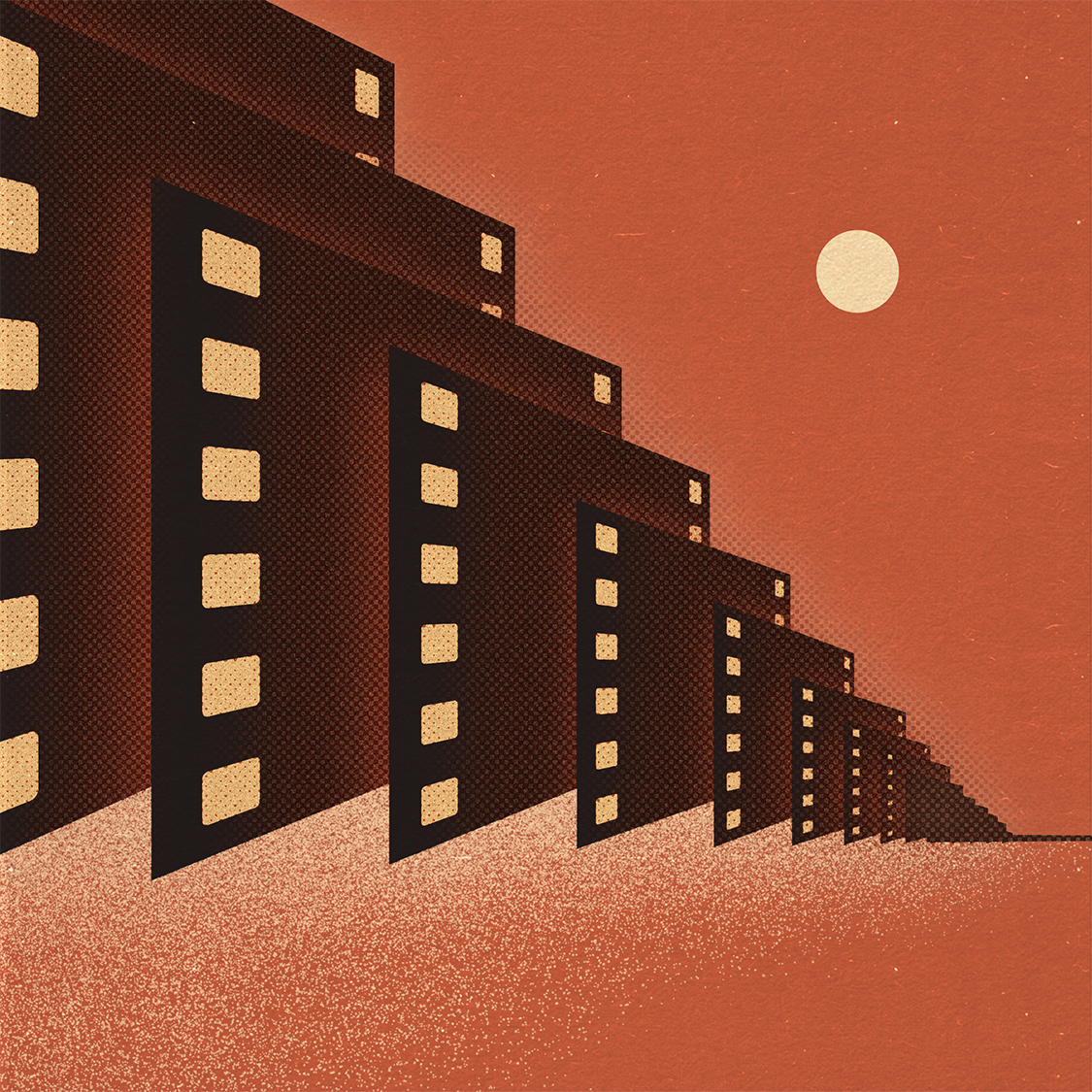
Classics of Our Century: A Film History of the Twenty-First Century in the Making

Listening Guide
1. From Peacock to And the Spring Comes: unreleased vitality becomes a clear yet unattainable desire.
2. Why place opera, ballet, and oil painting—Western cultural forms—in a northern Chinese town?
3. Martyrdom, betrayal, and compromise: three responses to shattered ideals.
4. And the Spring Comes rewrites Peacock’s questions while stressing direct conflict with the environment.
5. Why nineteenth-century Russia’s ‘superfluous men’ were comfortable nobles with nowhere to use their talents.
6. Lying flat is not idleness but soft resistance to endless extraction.
7. Would Wang Cailing’s inner crisis disappear in the age of traffic and followers?
8. Modernization releases desires and abilities far faster than society can receive them.
9. Flee Beijing, Shanghai, and Guangzhou or return home: why both choices leave people trapped.
10. Subjectivity awakens, yet reality offers no fitting identity, career, or life.
11. Peacock and And the Spring Comes do not portray spiritual overflow as pure idealism.
12. America and France have their own Wang Cailings: New York or Paris cannot overcome human finitude.
Memorable Quotes
1. A Wu: Calling for people to lie flat or become ‘useless’ in today’s society has real significance.
It does not mean doing nothing. I see it as nonviolent noncooperation, a soft resistance to endless extraction by capital or power.
A Wu:It is defensive self-preservation under special conditions, like Zhuangzi’s ‘usefulness of the useless.’A luxuriant tree is cut into furniture, while a crooked tree unfit for timber may live out its natural years.
2026.09.18
Audio in Chinese
Related programs

The Revelation of Faith: Hebrew and Medieval Classics
Reading the World Classics, Season 5—from the Bible to The Canterbury Tales
¥198.00
Included with membership
Confucius, Mencius, and the Learning of the Exemplary Person (Video Course)
How can we attain the state of life proper to a human being?
¥198.00
Included with membership
The Birth of the Modern: Readings from the Enlightenment
World Classics, Season 2—from Galileo to the US Constitution
¥128.00
Included with membership


