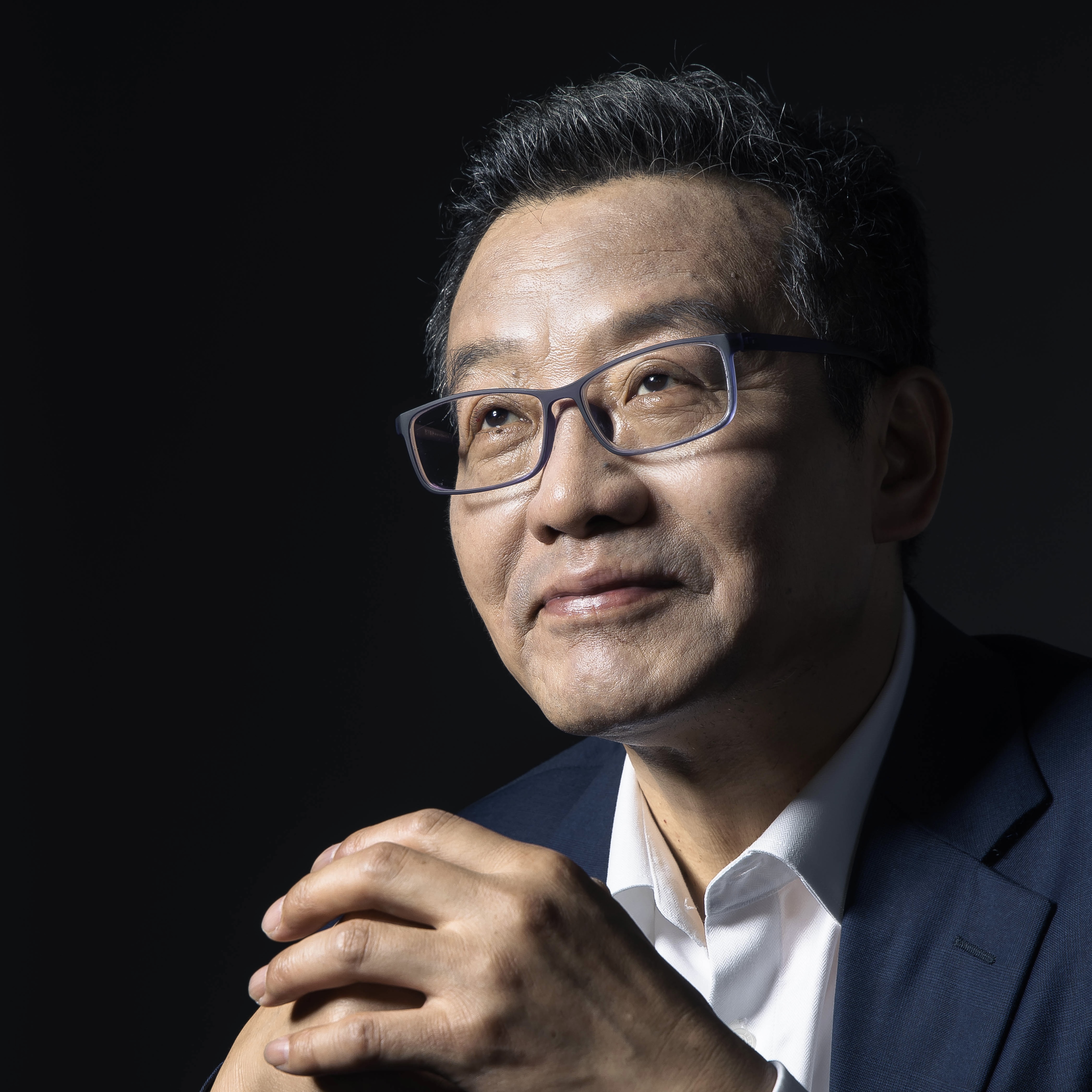
Return to the beginnings of Chinese moral subjectivity
In more than 1,400 minutes, Professor Wang Defeng returns to Confucius and Mencius, the two foundational peaks of the Confucian tradition. Their “learning of the exemplary person” is not a stale code of discipline. It is a practical philosophy of how a person becomes a moral subject.
Confucian philosophy asks how each of us can actually attain the state of life proper to a human being. Its inquiry into human nature is never abstract: it gives concrete guidance for practice. That guidance begins in the Analects and the Mencius.
Why return to Confucius and Mencius today?
Modern critiques often blamed Confucianism for China’s historical backwardness. Yet the later development of the philosophy of mind in Lu Xiangshan and Wang Yangming demonstrates the tradition’s capacity to return to its roots and create anew. It offers a distinctly Chinese enlightenment grounded in independent character and the humane heart.
Through ideas including humanity, the mandate of Heaven, the mean, loyalty and reciprocity, righteousness and profit, moral energy, humane government, and hegemony, the course explores how learning becomes action and how the heart can respond to other people and the world.
Confucianism never reasons apart from real life. Its philosophy is simultaneously a practice and a concrete guide to living.