




To Your Unique Self: 40 Lessons in Personality Psychology

Introduction
Happy New Year! I’m Wang Fang. Long time no see—how was your Spring Festival holiday? I mostly alternated between eating and sleeping, so my Year of the Tiger began at a leisurely pace. I hope your new year brings work at your own rhythm, planned idleness, and unexpected surprises.
The new year is also a new beginning for our program. Today Part Three officially begins, and we turn to the last of philosophy’s three great questions: Where am I going?。
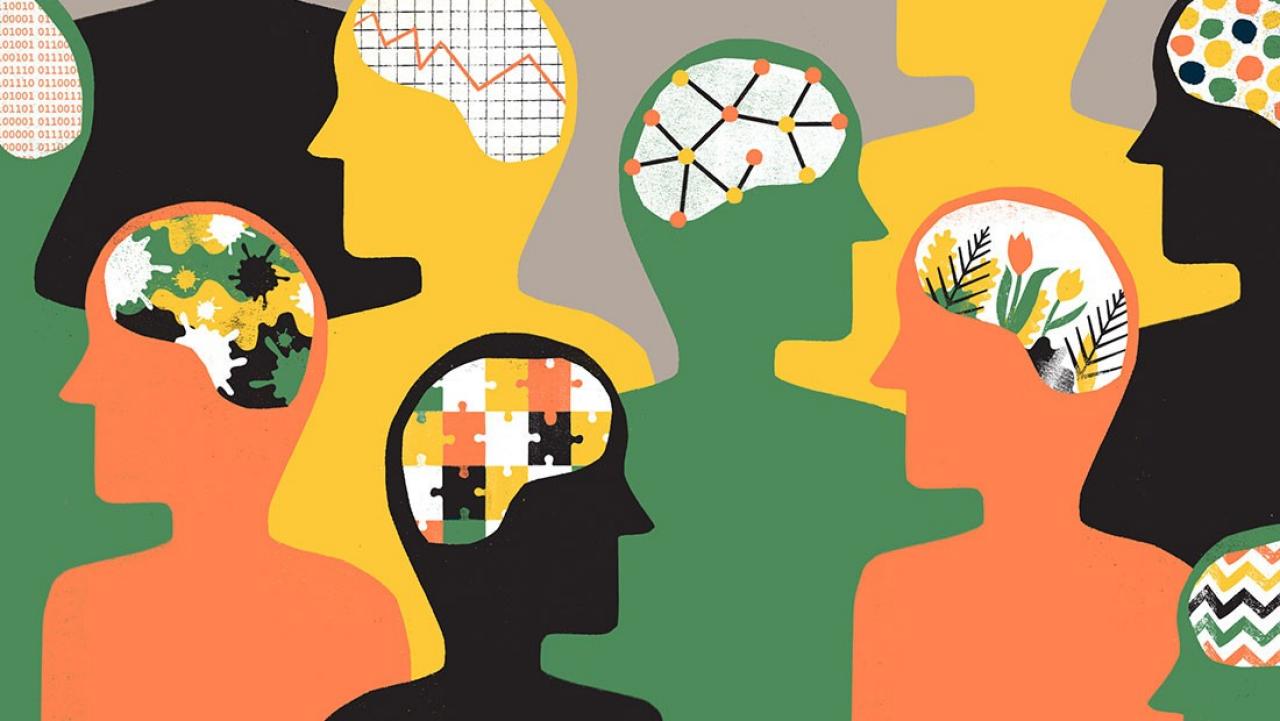
Looking back, you may remember from the opening episode the “mask metaphor” of personality: personality is the sum of what we say and do on life’s stage. We are social actors performing effectively according to our character descriptions. Personality psychologists use an elemental approach to describe those character descriptions—that is, personality traits such as the Big Five and dark traits discussed in Part One. Why we have become the “actors” we are today was the subject of Part Two: the complex forces continually shaping, polishing, and revising us.
Yet knowing someone’s traits and their origins clearly does not reveal everything. Even if we know the image a person presents, it remains difficult to predict what decisions they will make, what they desire and pursue, how they will react to hardship and meet challenges, whom they hope to become, and where their life will go. Traits are abstractions from past situations—decontextualized tendencies that indicate only the possibility of behavior.Personality traits are transformed into concrete behavior across situations and time through mechanisms that must be analyzed in terms of personality dynamics: needs, goals, motives, defenses, and more. These, too, are personality.
To understand this side of personality, we will call upon the giants in the history of personality psychology. From different angles, their theories ask what it means to be human: what people ultimately seek, what drives the many forms of human behavior, and how basic motives turn a static social actor with various traits into an active agent extending the self into the future.
2022.02.08
Audio in Chinese
Related programs

The Mystery of the Mind: Freud and the Intellectual Universe of Psychoanalysis
Where does our psychological distress come from?
¥198.00
Included with membership

Living in Media: 100 Lectures on Communication
Media, capital, and politics: who is competing for our attention?
¥198.00
Included with membership

How a Story Is Born: 22 Lessons in Creative Writing
Hao Jingfang and masters of creative writing help you build a story
¥68.00
Included with membership