







Chen Danqing: Unless We Experience It Ourselves | Writers in Conversation, Season 1

Introduction
From June 1 to September 1, 2024, the Muxin Art Museum presented the special exhibition “Shanghai Ode: Moving Images, Photography, and Painting, 1934–2024.” Taking the exhibition as our occasion, we recently returned to Wuzhen for another conversation with Chen Danqing.
This episode continues hyl’s conversation with Chen Danqing from the previous installment. Beginning with The Winter of Three Hairs, Blossoms Shanghai, Wong Kar-wai, Eileen Chang, and Muxin, they discuss art, memory, and imagination.
Previous Episode
Listening Guide
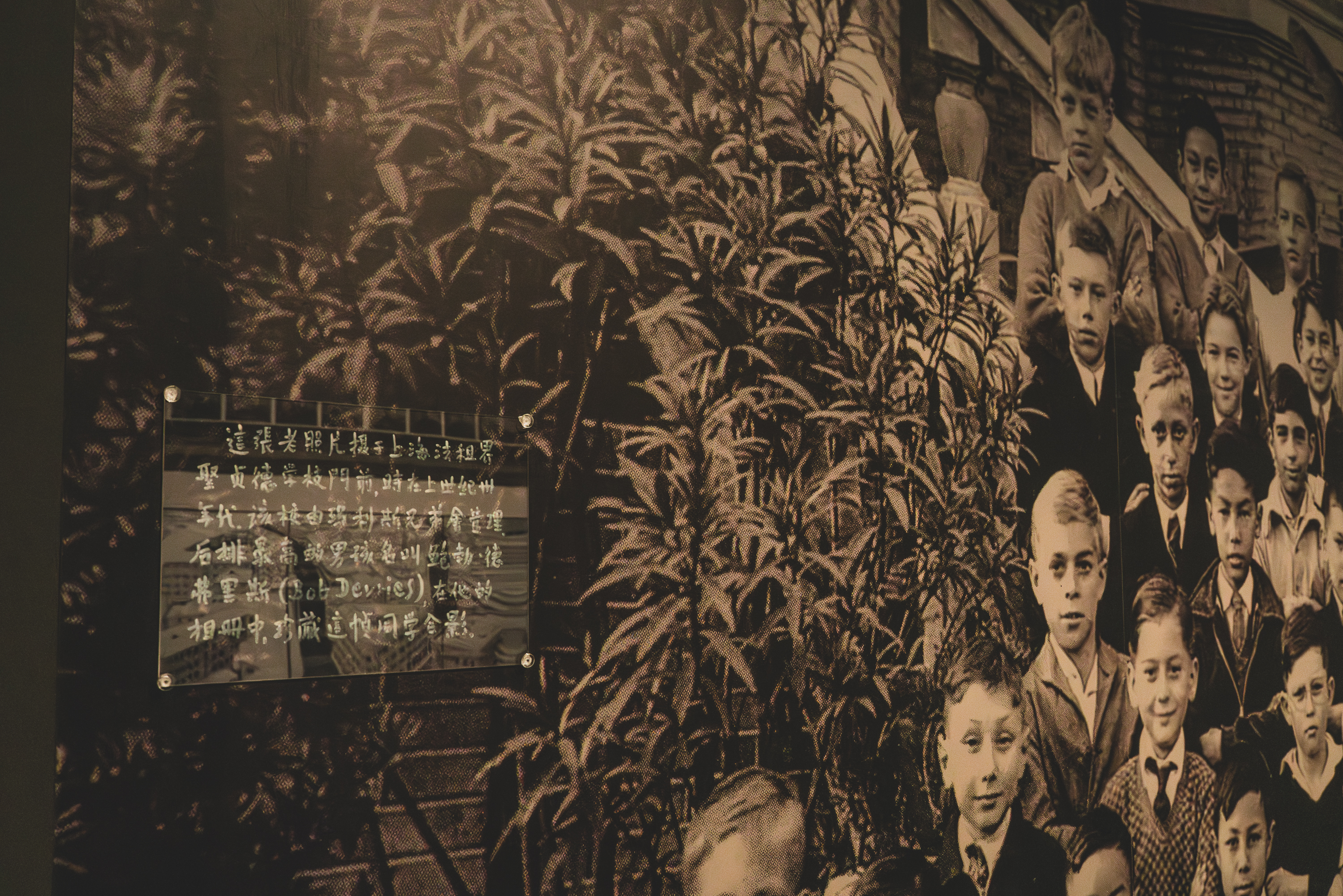
1. A complete vision of Republican-era Shanghai: The Winter of Three Hairs and missionary schools
2. Loose threads behind the grand dream: stock investors of the 1990s and A Bao’s suit sample
3. The Great World and ordinary townspeople: stories of the Huangpu River and Suzhou Creek
4. Shanghai Ode: Muxin never owned a suit like this, but A Bao wore one
5. Wong Kar-wai: You must put a mirror behind this suit
6. Eileen Chang: paintings and screenplays, Shanghai and Hong Kong
7. The generation of the 1950s: descendants of Republican China, elders of modern youth
8. People in every city make nostalgic films
9. You want to make us nostalgic? No, I want everyone to remember
10. The same film, presented by her in three images
Selected Quotes
1. The history we were required to read said that old Shanghai was an adventurers’ paradise, with “adventurers” meaning European and American merchants. But we knew what imperialists and adventurers did: exploit and squeeze people, indulge in extravagance, bully the poor, and so on. The Winter of Three Hairs depicts this vividly, and it is not entirely invented.
2. This is where the sense of history I mean comes from, because a sense of history grows out of imagining history. A person will always wonder what the world was like before they were born. For Shanghai, this wall tells you that this was what the city once looked like: there was Sanmao, and there were also the children at these missionary schools.
3. I watched their expressions. They looked as if they were still intoxicated by a dream and had not awakened.Then I looked again at the suit. It made me feel that the back of this dream was covered in loose threads, just like the suit: fine on the surface, but full of threads inside.I thought that the “Shanghainess” the 1990s brought to the city was, as Jin Yucheng said, divided between the Suzhou Creek side and the Huangpu River side.
4. Muxin himself never had a suit made like this. In the photograph of him at eighteen, when he attended the Shanghai Art School, he wore a student uniform—what later became known as the Mao suit. There is no evidence that in old Shanghai, meaning Republican-era Shanghai, he ever owned the exquisitely tailored pure-wool suit he wrote about. If he did not have one then, he certainly could not have had one after 1949, because from roughly 1950 to 1977 or 1978, virtually no one in China wore a Western suit.
5. One of Muxin’s overcoats now on display is familiar to everyone: it is the coat he wore in the well-known photograph of him walking down the street. As I understand it, he bought it at a secondhand shop; it was neither custom-made nor bought new off the rack. That makes the matter especially interesting.
6. All films of this kind are like this. There is an American film called Once Upon a Time in New YorkOnce Upon a Time in America, which depicts New York in that era.People in every city make nostalgic films. Once enough time has passed—thirty years at the shortest, fifty at the longest—we come together to look back, to dream, and to return to the Shanghai or New York of that time.
7. Every work by the German artist Anselm Kiefer concerns the ruins of World War II and contains his philosophical and historical reflections. Someone once asked whether he wanted to make people nostalgic for it. He replied, “No, I want everyone to remember.” I think he put it beautifully. “Remembering” does not mean that you must remember exactly what I remember. It means letting you know that, before you were born, Shanghai looked like this; the 1950s looked like this; the 1930s looked like this. In the end, it returns to a way of seeing.
8.Older people certainly carry a bundle of memories inside them, and so do you. As you go on living, that bundle will grow. But in poetic and philosophical terms, the future is all memory; in Muxin’s words, the universe itself is a memory.When we reach the end of life, what do we have besides memory? There is, of course, imagination too. Yet imagination and memory can sometimes be hard to separate, so I would call memory a form of imagination moving in the opposite direction.
Related to This Episode
The Winter of Three Hairs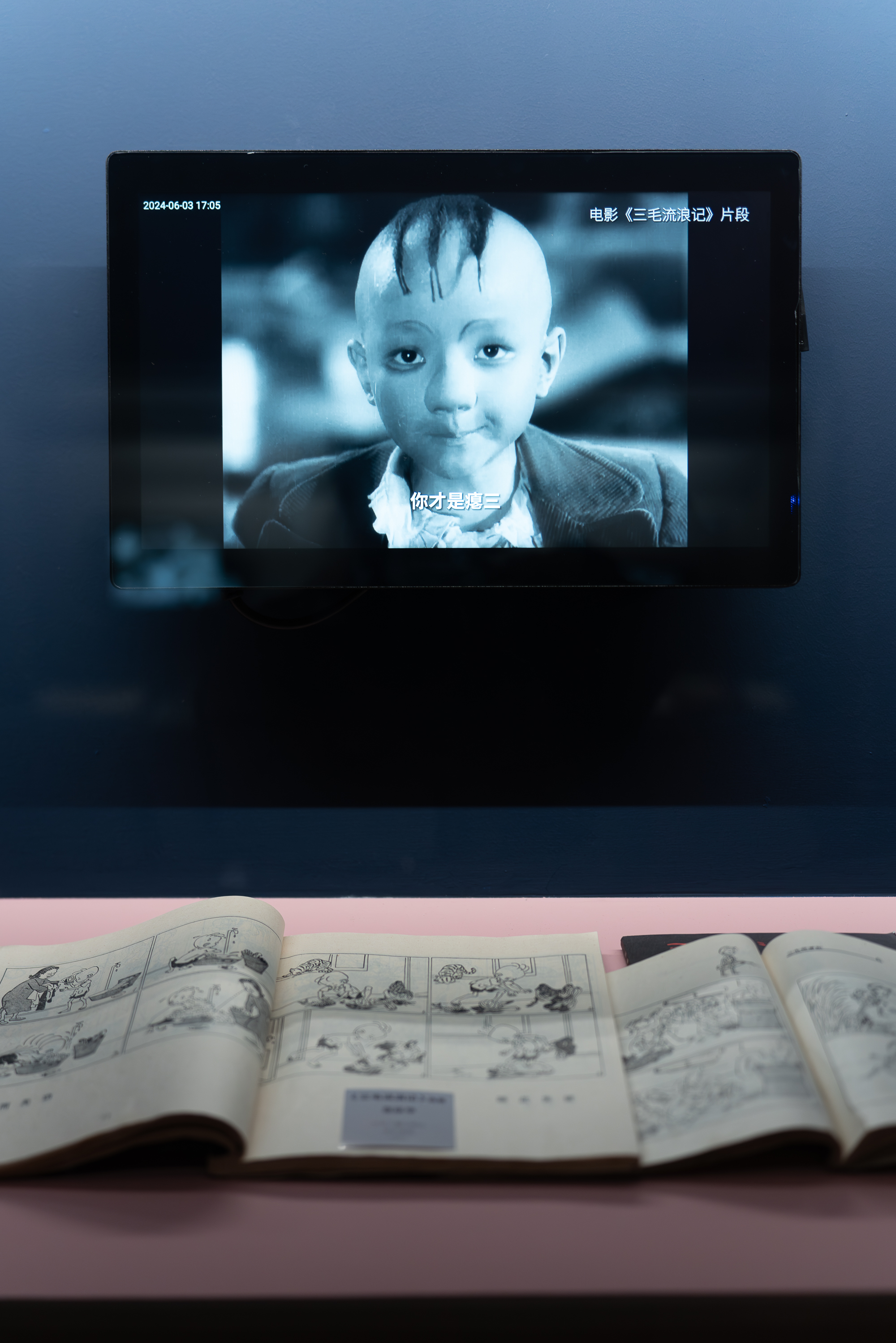
Adapted from Zhang Leping’s comic of the same name, the film premiered on December 1, 1949. It tells the story of Sanmao, a homeless child in old Shanghai.
Comic and film versions of The Winter of Three Hairs. Image courtesy of the Muxin Art Museum
Children at a missionary school. Image courtesy of the Muxin Art Museum
A BaoThe male protagonist of the television series Blossoms Shanghai, played by Hu Ge.
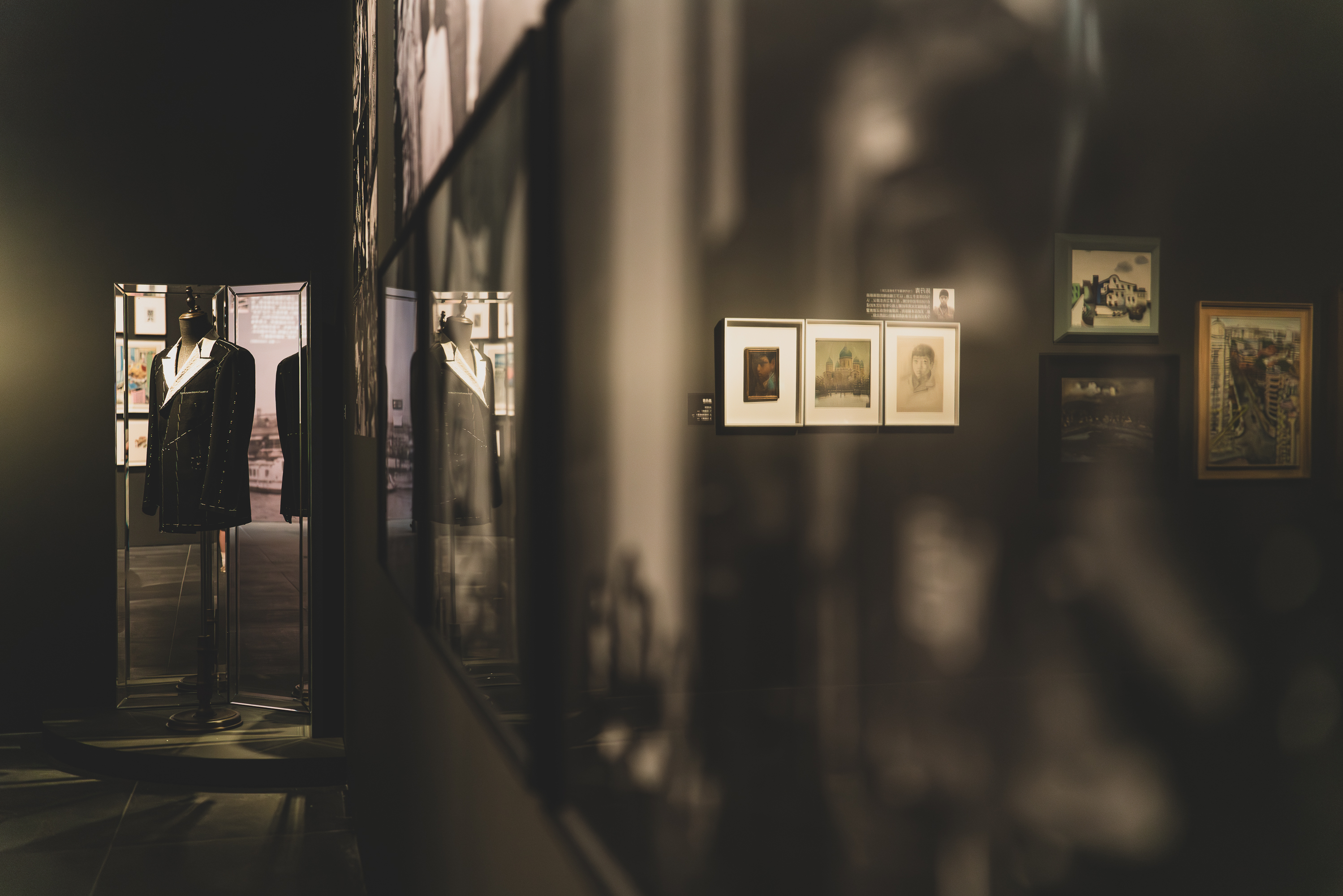
A Bao’s sample suit. Image courtesy of the Muxin Art Museum
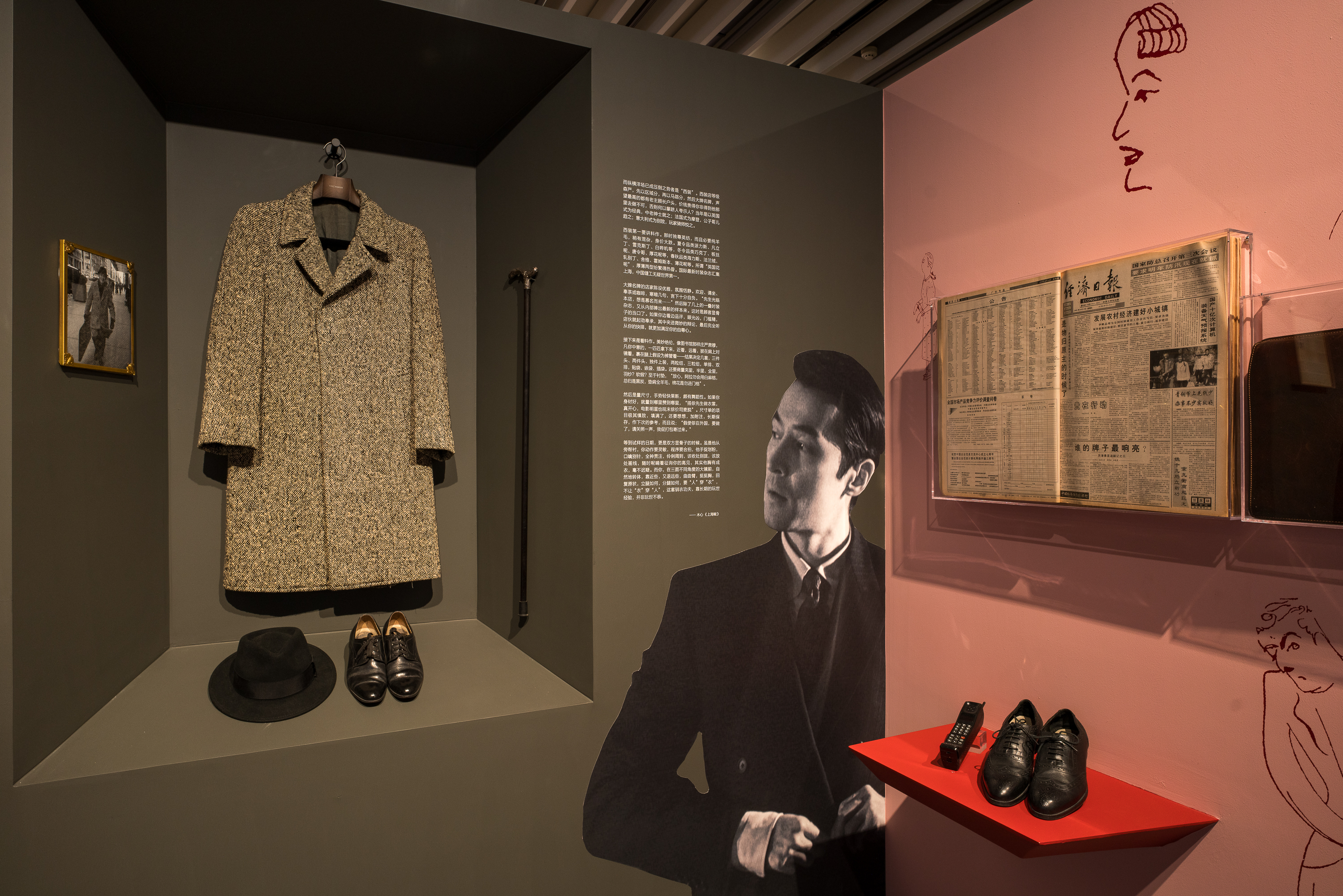
A Bao’s shoes and Muxin’s overcoat. Image courtesy of the Muxin Art Museum
Uncle Ye
A supporting character in the television series Blossoms Shanghai, played by You Benchang.
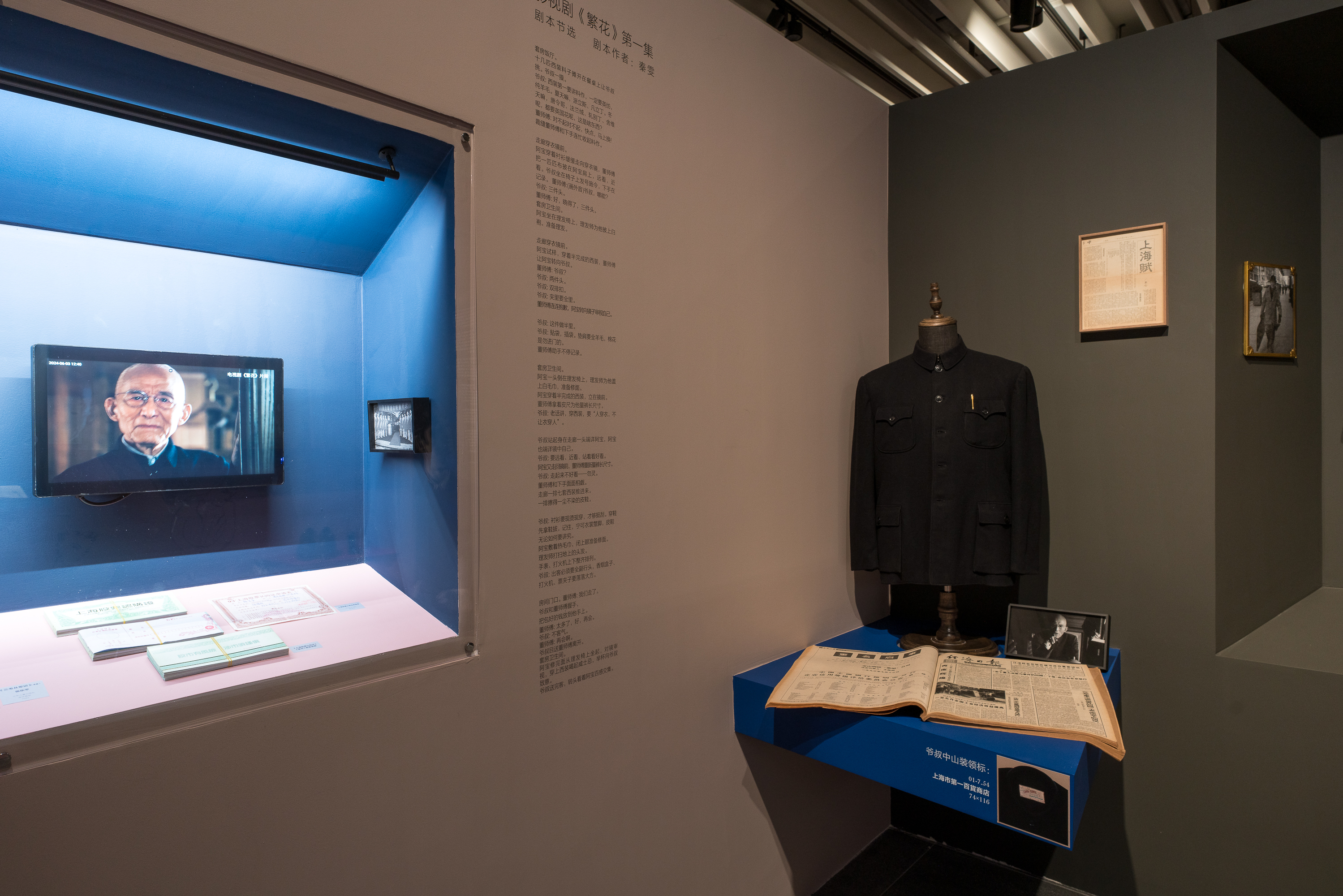
Uncle Ye’s Mao suit. Image courtesy of the Muxin Art Museum
Eileen Chang
A modern Chinese woman writer, who also used the pen name Liang Jing. Her ancestral home was Fengrun District, Tangshan, Hebei, and she was born in Shanghai.
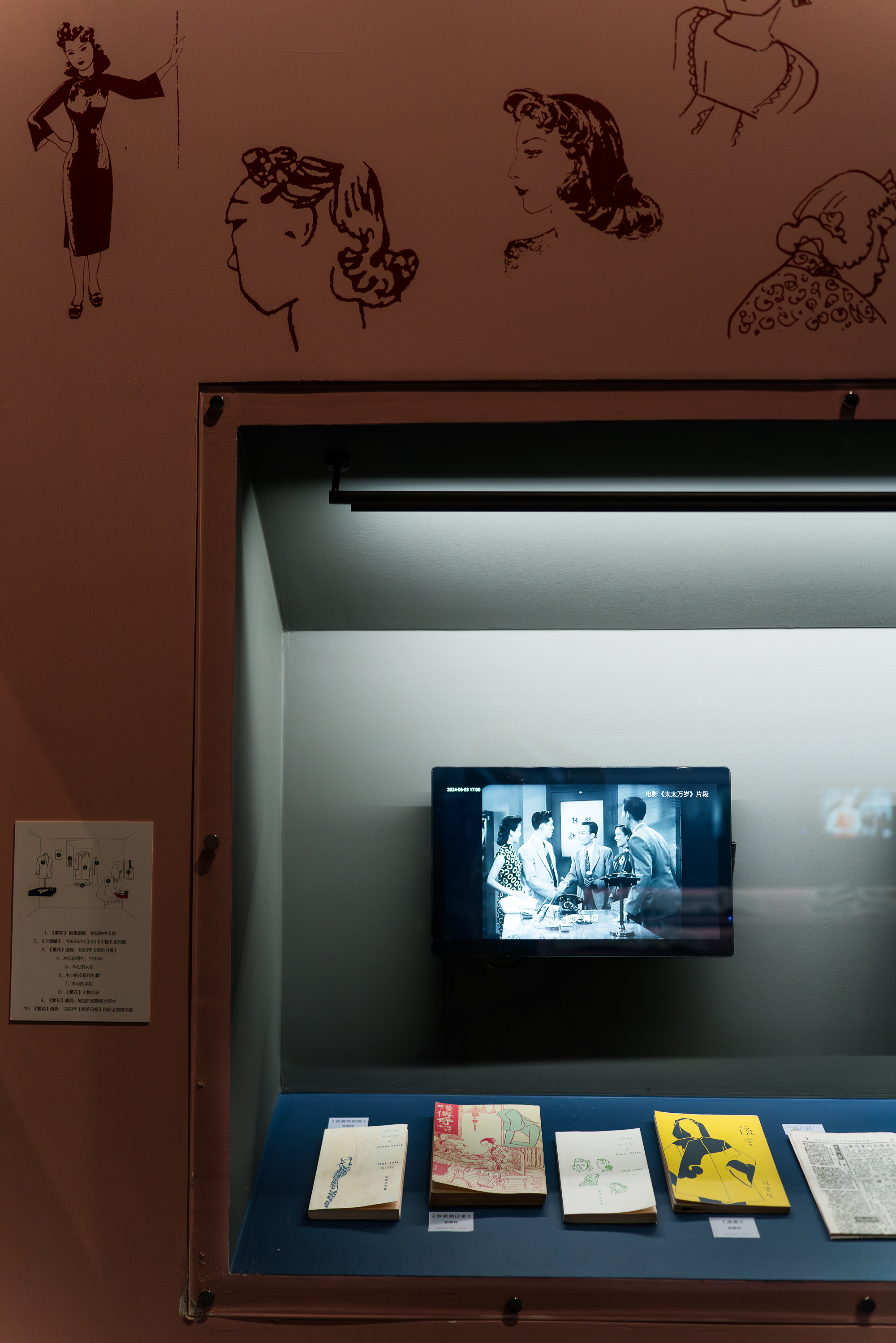
Works by Eileen Chang and her hand-drawn portraits of Republican-era figures. Image courtesy of the Muxin Art Museum
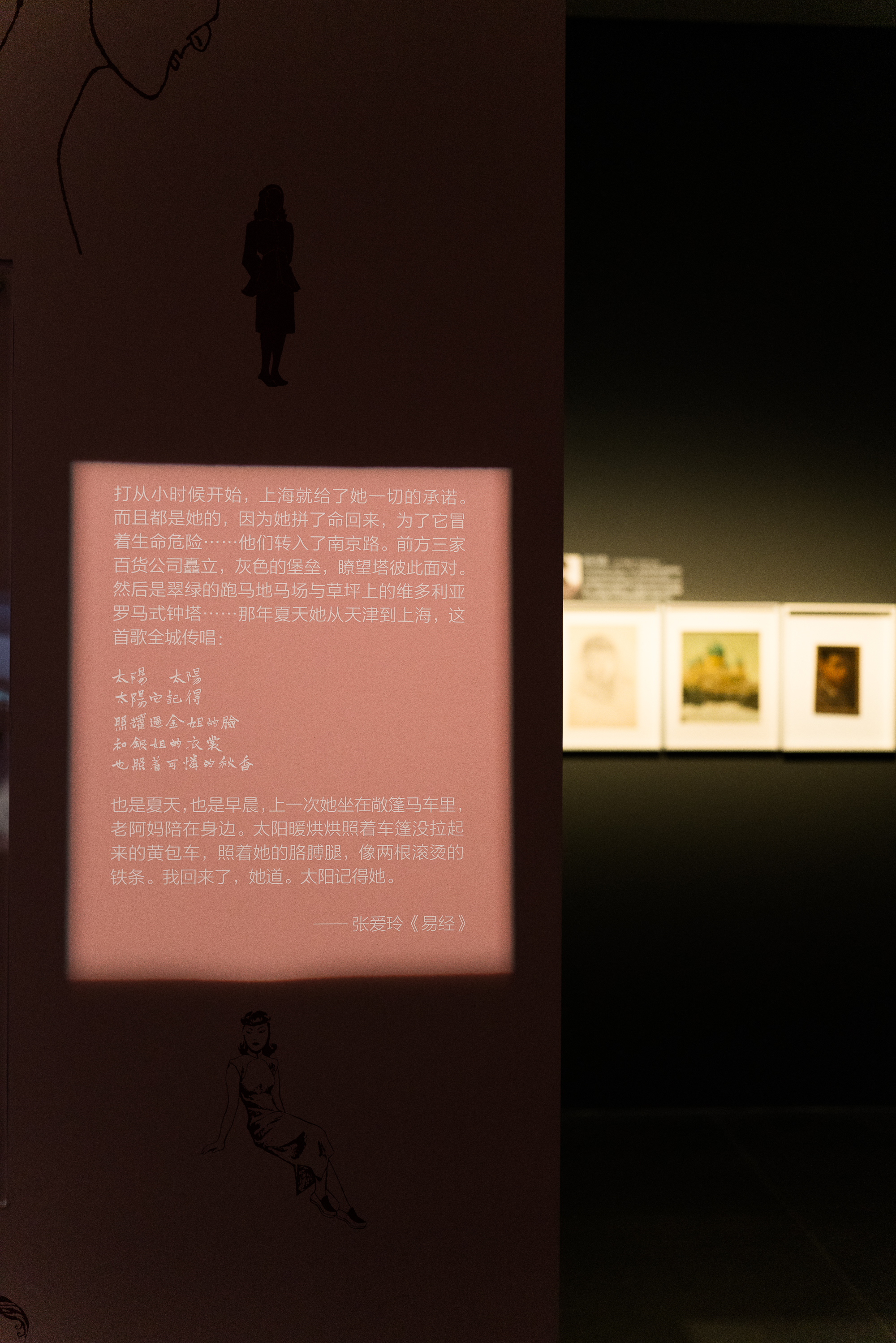
Excerpt from Eileen Chang’s The Book of Change. Image courtesy of the Muxin Art Museum
2024.07.09
Audio in Chinese
Related programs
Old Shanghai Stories [Shanghainese]
The story of Shanghai's rise
¥68.00
Included with membership
Why the World Needs Libraries — Audiobook
See the many faces of society through a single library
¥58.00
Included with membership
A Traveler's Guide to the Universe of the Classic of Mountains and Seas | Season 2
The Hills of the Gods
¥138.00
Included with membership


