
Vistopia
Pai Hsien-yung
DIGITAL LIBRARY

Pai Hsien-yung

Digital Library · 500+ items
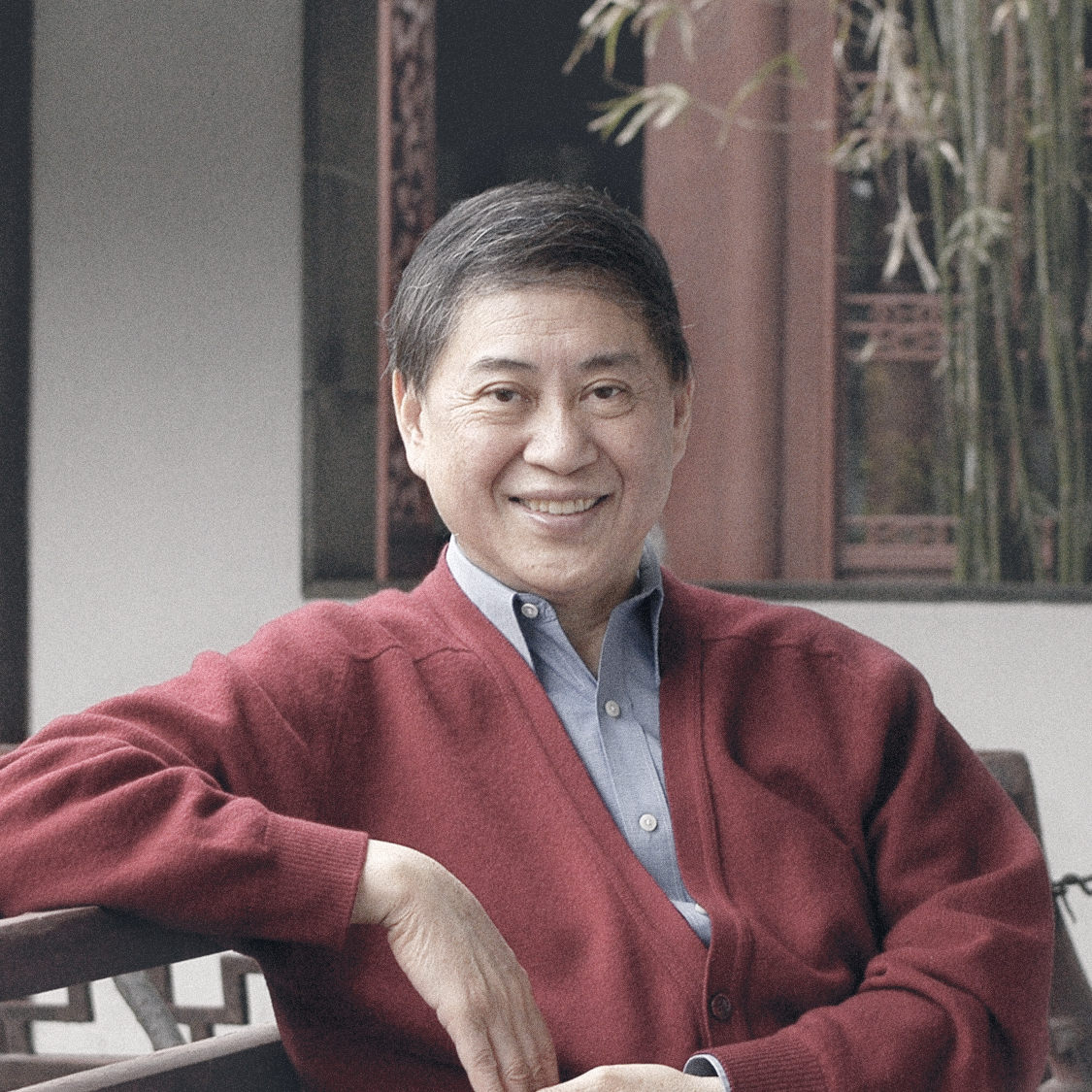
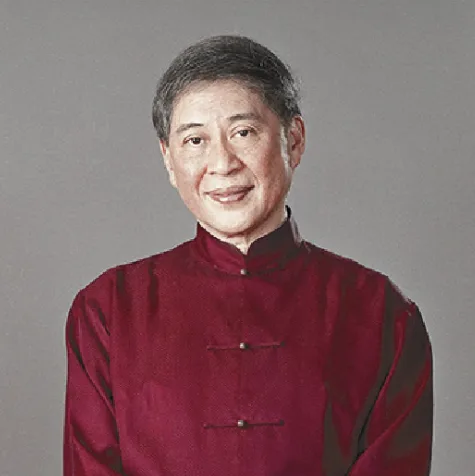
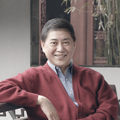
Pai Hsien-yung was born in 1937. He is an acclaimed novelist, essayist, critic, and playwright. He has devoted himself to reviving Kunqu opera and promoting the Cheng Yi edition of Dream of the Red Chamber.

About this library

Introduction: Experiencing Pure Passion and Beauty in a Noisy Age
Limited-time access Introduction: Experiencing Pure Passion and Beauty in a Noisy Age
What can truly represent Chinese literature?
Audio 14:11 2025/12/23

How can literature and beauty stop us
amid the rush of everyday life,

and help us set aside worldly certainties to see the complexity and transcendence of human nature?

Pai Hsien-yung is our guide.

Pai Hsien-yung

Pai Hsien-yung

Born in 1937
Acclaimed novelist, essayist, critic, and playwright

A leading advocate for the revival of Kunqu opera and the promotion of the Cheng Yi edition of Dream of the Red Chamber.

1930s–1950s

“A General’s Son”

The son of Republican-era general Pai Chung-hsi, he spent a displaced childhood, reunited with his parents in Taiwan at fifteen, and pursued graduate study in the United States after university.

1950s–1990s

“A Literary Outcast”

He helped bring the stage into dialogue with literature and co-founded Modern Literature, shaping Taiwan’s literary scene. From Taipei People to Crystal Boys, he recorded a literary age of his own.

2000s–2020s

“A Volunteer for Kunqu”

Starting from his story Wandering in the Garden, Waking from a Dream, he traced the emotion and beauty of Kunqu. His youth production of The Peony Pavilion has been performed more than 500 times, introducing a new generation to the elegance of the ancient form.

1970s–present

“A Lifelong Reader of Dream of the Red Chamber”

From first reading the novel in primary school to more than two decades of close study, he has devoted a lifetime to presenting the Cheng Yi edition as a classic renewed for every age.
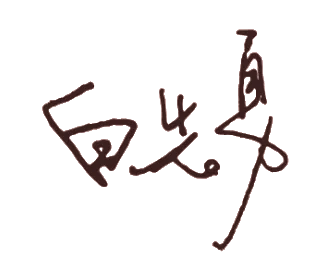
Pai Hsien-yung signature

Across audio, video, and writing, the archive includes all of Pai Hsien-yung’s Vistopia audiobooks and courses.

It also presents previously unreleased documentaries, lectures, and talks, newly edited and produced by Vistopia.

Together, the collection surveys his achievements in literature, art, and history.

Five areas and more than 500 items, including—

Three new items each week, excluding public holidays

20+ items

“Enduring Passion and Beauty: The Life of Pai Hsien-yung”

Nearly nine decades of experiences that could fill several ordinary lifetimes, approached through the classics and the themes of passion and beauty closest to him.

180+ items

“Literature: From Taipei People to Crystal Boys”

Enter Pai Hsien-yung’s literary world through fiction, conversations, lectures, and audiobooks.

100+ items

“The Peony Pavilion in Full Bloom”

Revisit a four-hundred-year-old story of youth through its text, staging, public reception, and role in cultural revival.

150+ items

“Dream and Reality in Dream of the Red Chamber”

Why could the final forty chapters not have been written by another author? Why is the Cheng Yi edition the finest version? Explore the novel from chapter structure and character to mythic design.

50+ items

“History: From Republican China to the February 28 Incident”

Between the Nationalists and Communists and amid Taiwan’s historical tragedy, reconsider the story of a father and a republic.

More

Chronology and Bibliography

An authoritative chronology and bibliography for readers who wish to explore further.
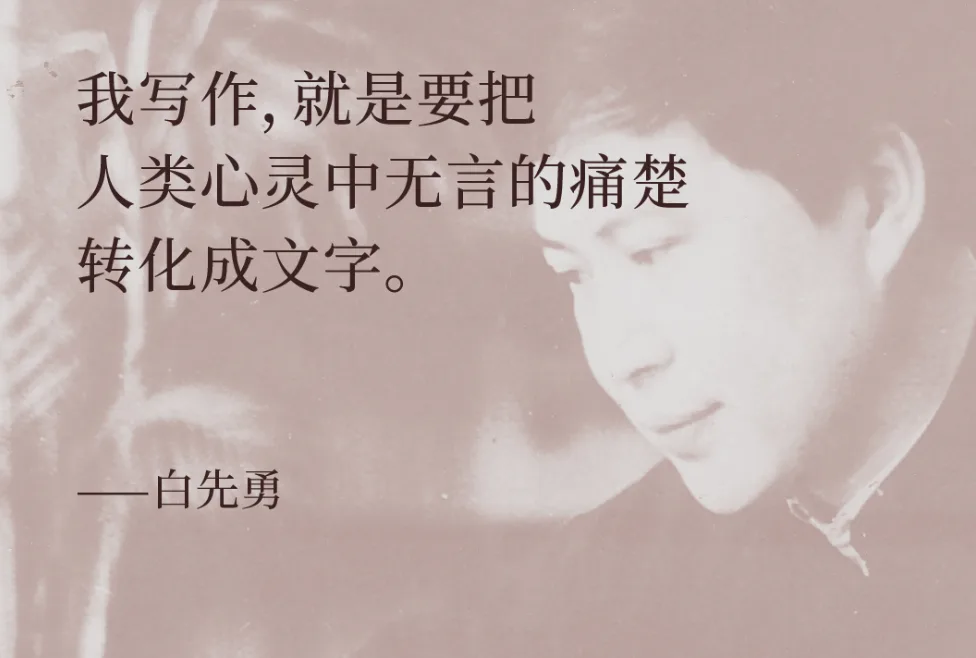
I write to transform the unspoken pain of the human heart into words. — Pai Hsien-yung

Subscription benefits

Digital collector’s ticket

After subscribing to Pai Hsien-yung’s Digital Library, find your collector’s ticket in Vistopia App · Me · Achievements.
Pai Hsien-yung collector’s ticket

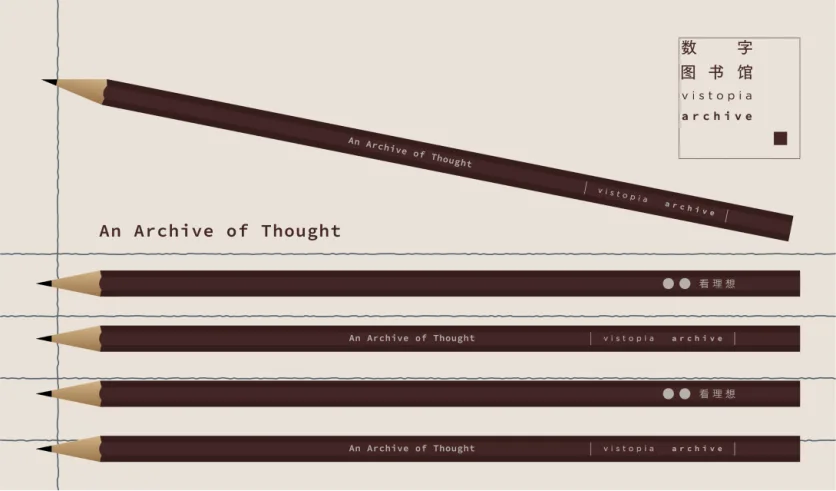
Commemorative pencil set

Set of 10
Commemorative pencil set

*Exclusive gift for the first 1,000 subscriptions*

Chronology

Pai Hsien-yung: Literary Chronology

77 years · 77 literary and artistic records
1937

  • Pai Hsien-yung was born on August 16 in Nanning, Guangxi, the fifth child of General Pai Chung-hsi and Ma Pei-chang. Before he was one, the family returned to Guilin; the War of Resistance against Japan began that year.

1943

  • Entered first grade at Sun Yat-sen Primary School in Guilin.

1944

  • Fled to Chongqing in November and attended Xiwenquan Primary School in the countryside. Tuberculosis forced him to leave school and recuperate at Liziba in Chongqing.

1945

  • After the war ended, moved with his family to Nanjing, living first in Dabei Lane and then Dafang Lane.

1946

  • Moved to Shanghai, first to Duolun Road and later Hongqiao Road, where he spent two years recovering from illness.

1948

  • Moved to Bixun Road, now Fenyang Road, and resumed school at Nanyang Model Primary School in Xujiahui. Left Shanghai at the end of the year.

1949

  • Stayed briefly in Hankou and Guangzhou before moving to Hong Kong in September.

1950

  • Attended Kowloon Tong School and later entered the English-language La Salle College for junior secondary education.

1952

  • Moved with his family to Taiwan and attended Taipei Municipal Jianguo High School. Made his first submission to Wild Wind magazine.

1956

  • Entered the Department of Hydraulic Engineering at National Cheng Kung University and began publishing essays in newspapers.

1957

  • Transferred in September to the Department of Foreign Languages and Literatures at National Taiwan University. Published the essays “Dream Creek,” “Little Huang,” and “A Passerby’s Mourning.”

1958

  • Published his first short story, “Madame Chin,” in Literary Review.

1959

  • Published “Hospitalization,” later retitled “Let’s Go See the Chrysanthemums,” in Literary Review, and “Muffled Thunder” in Bihui.

1960

  • Co-founded Modern Literature, whose first issue appeared in March. Published “Moon Dream” under the pen name Yu Jin, “Jade Love” under Bai Li, and “Black Rainbow” under Xiao Lei.

1961

  • Published “Indian Summer,” “Youth,” “The Hand Hidden in a Trouser Pocket,” and “Seventeen and Lonely” in Modern Literature. Graduated from National Taiwan University in July and began eighteen months of military service. An English translation of “Madame Chin” appeared in New Voices: Stories and Poems by Young Chinese Writers.

1962

  • Published “Graduation” in Modern Literature. His mother, Ma Pei-chang, died on December 4. An English translation of “Jade Love” appeared in New Chinese Writing.

1963

  • Left for the United States on a full scholarship on January 15, entering the Iowa Writers’ Workshop and its International Writing Program for a master’s degree.

1964

  • Published “Death in Chicago,” “Up the Skyscraper,” “Hong Kong—1960,” and “A Day in Pleasantville” in Modern Literature.

1965

  • Published “A Trip to Fire Island”; “The Eternal Snow Beauty,” the first of the Taipei People stories; and “The Exile’s Immortal,” the first of the New Yorkers stories. Received an MFA from Iowa in June and began teaching Chinese language at the University of California, Santa Barbara, in September. His own English translation of “Hong Kong—1960” appeared in Literature East & West.

1966

  • Published “A Touch of Green” and “Wandering in the Garden, Waking from a Dream.” His father, Pai Chung-hsi, died on December 2, and he returned to Taiwan for the funeral.

1967

  • Published “New Year’s Eve” and “Song of Liangfu.” The Exile’s Immortal, his first short-story collection, was published in Taipei.

1968

  • Published “The Last Night of Taipan Chin.” The collection Wandering in the Garden, Waking from a Dream was published in Taipei.

1969

  • Published “The Bloody Red Azalea,” “Lament for Bygone Days,” “The Exile’s Lament,” and “The Stars in the Night Sky.” A new edition of The Exile’s Immortal appeared in Taipei.

1970

  • Published “A Lone Flower in Love,” “Winter Night,” and “The Story of Huaqiao Rongji.” A new edition of Wandering in the Garden, Waking from a Dream appeared in Taipei.

1971

  • Published “Autumn Thoughts” and “State Funeral.” Taipei People appeared in April and in an expanded edition in November. With his younger brother Pai Hsien-ching, founded Morning Bell Press, which went on to publish more than one hundred literary titles. An English translation of “The Exile’s Immortal,” co-translated with C. T. Hsia, appeared in Twentieth-Century Chinese Stories.

1973

  • Was promoted to associate professor and received tenure at UC Santa Barbara. Modern Literature suspended publication after thirteen years and fifty-one issues because of financial difficulties.

1975

  • English translations of “The Eternal Snow Beauty” and “New Year’s Eve” appeared in Renditions; translations of “The Story of Huaqiao Rongji” and “Winter Night” appeared in An Anthology of Modern Chinese Literature.

1976

  • An English translation of “Winter Night” appeared in Chinese Stories from Taiwan: 1960–1970. Seventeen and Lonely was published in Taipei, followed by an expanded edition. Ouyang Tzu published The Swallows Before the Wang and Hsieh Halls, her landmark study of Taipei People.

1977

  • Modern Literature resumed publication on July 1. The novel Crystal Boys began serialization in its first revived issue and continued through issue 22 in March 1984.

1978

  • The essay collection Suddenly Looking Back was published in Taipei. A Korean translation of Taipei People appeared in Seoul.

1979

  • “Nocturne” was serialized in the China Times. “The Eternal Snow Beauty” became the first Taiwan story published in mainland China when it appeared in the inaugural issue of Contemporary. At Hong Kong’s first Literary Week, Pai lectured on fiction and social consciousness; Cantonese stage adaptations of Wandering in the Garden, Waking from a Dream and The Exile’s Immortal were performed.

1980

  • Joined writers and poets in Taipei to mark Modern Literature’s twentieth anniversary. Selected Stories of Pai Hsien-yung was published in Guangxi. As a visiting professor at UC Berkeley, taught Ming–Qing fiction and 1960s Taiwan literature. His English translation of “Wandering in the Garden, Waking from a Dream,” co-translated with Patia Yasin, appeared in Renditions.

1981

  • Took part in the founding conference of the Singapore Literature Research Society. Crystal Boys was serialized in Singapore’s Nanyang Siang Pau. Was promoted to professor at UC Santa Barbara; a Hong Kong edition of Selected Stories appeared.

1982

  • The stage script Wandering in the Garden, Waking from a Dream was published and performed ten times at Taipei’s Sun Yat-sen Memorial Hall. The English Taipei People, Wandering in the Garden, Waking from a Dream: Tales of Taipei Characters, edited by George Kao and co-translated by Pai and Patia Yasin, was published by Indiana University Press. A mainland Selected Short Stories edition also appeared.

1983

  • Crystal Boys was published in Taipei, followed by a new edition of Taipei People.

1984

  • Modern Literature ended after a total of seventy-three issues. The essay collection The Café Astoria was published. “The Last Night of Taipan Chin” and “Jade Love” were adapted for film. Pai was named UC Santa Barbara Professor of the Year.

1985

  • Stage scripts for Jade Love and The Last Night of Taipan Chin were published. “A Lone Flower in Love” was filmed, and a Beijing edition of Taipei People appeared.

1986

  • Published a self-selected collection in Hong Kong. Jade Love was adapted by the Hong Kong Dance Company and Crystal Boys became a feature film. A German edition of Seventeen and Lonely appeared; “Wandering in the Garden, Waking from a Dream” was adapted as a solo dance.

1987

  • Mainland editions of Crystal Boys and the collection Ashes appeared. Pai returned to mainland China for the first time in thirty-nine years, teaching at Fudan University as a visiting professor on Taiwan literature, Dream of the Red Chamber, literature, and film.

1988

  • People’s Literature Press published Crystal Boys. A joint stage production of Wandering in the Garden, Waking from a Dream toured Guangzhou, Shanghai, and Hong Kong. Hong Kong editions of Crystal Boys and The Sixth Finger appeared.

1989

  • New editions of Seventeen and Lonely, Crystal Boys, and collected stories and scripts appeared in Taipei. Howard Goldblatt’s English translation Crystal Boys was published by Gay Sunshine Press. “The Exile’s Immortal” became Xie Jin’s film The Last Aristocrats.

1990

  • A Japanese collection titled The Last Aristocrats and a new Taipei edition of Crystal Boys were published.

1991

  • The collection A Lone Flower in Love was published in Beijing. Yuan Liangjun’s critical study On Pai Hsien-yung appeared in Taipei.

1992

  • People’s Literature Press published Taipei People. All fifty-one original issues of Modern Literature were reprinted and celebrated at Eslite Bookstore. Pai’s close friend of thirty-eight years, Wang Kuo-hsiang, died on August 17. Wang Chin-min’s biography of Pai appeared in Hong Kong.

1993

  • The Eternal Snow Beauty was published in Wuhan. Pai returned to his native Guilin after forty-nine years.

1994

  • Retired early from UC Santa Barbara under university policy and continued living in Santa Barbara.

1995

  • Serialized an account of his father’s role in the Battle of Xuzhou and victory at Taierzhuang. A French translation of Crystal Boys, The Sixth Finger, a critical biography, and a German Crystal Boys were published.

1996

  • Attended the North American Chinese Writers Association conference in Texas. New editions of his self-selected works and a French Taipei People appeared.

1997

  • Joined a Harvard workshop on literature and culture. Crystal Boys was adapted as an English-language stage play performed by students in the Boston area; Jade Love became a television drama. UC Santa Barbara Library established the Pai Hsien-yung Special Collection of his books, manuscripts, and photographs.

1998

  • “The Story of Huaqiao Rongji” was adapted as a feature film.

1999

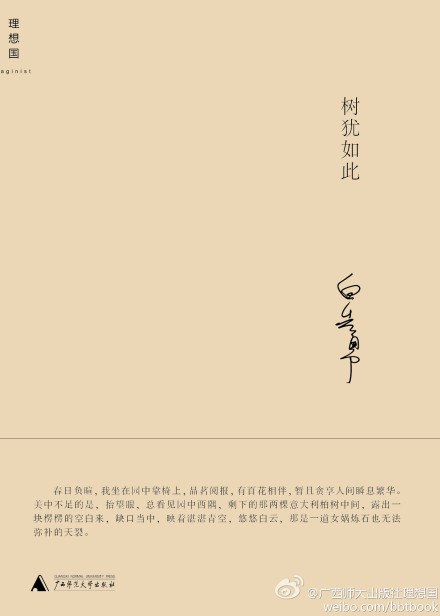
  • Published “The Tree Is Like This,” commemorating Wang Kuo-hsiang. Taipei People was selected among Taiwan’s thirty literary classics, ranked first in fiction, and placed seventh in Asiaweek’s top one hundred Chinese novels of the twentieth century; it was also chosen for People’s Literature Press’s “One Hundred Outstanding Chinese Literary Books in One Hundred Years.” New mainland editions of major works appeared, as did Japanese and Italian translations. Pai serialized an essay on his father and the 1946 Siping campaign.

2000

  • Major new editions included a five-volume Collected Works and a bilingual Chinese–English Taipei People. Television profiles were produced in Taiwan and Hong Kong. Shantou University hosted an international symposium on Pai’s writing; a French paperback Taipei People appeared.

2001

  • Wandering in the Garden, Waking from a Dream: Twenty Years and the self-selected Once, When I Went Away were published. A special issue of Chung Wai Literary Quarterly honored his work. In Paris he spoke on Taiwan’s mid-century modernist literary movement; a Czech translation of “Wandering in the Garden, Waking from a Dream” appeared.

2002

  • The Tree Is Like This and a collector’s Taipei People were published. Pai joined an international conference on Taiwan and world Chinese-language literature at UC Santa Barbara. “Danny Boy” appeared in Chung Wai Literary Quarterly. As Lingnan University’s distinguished visiting scholar, he gave five lectures and was honored with an exhibition; Taipei hosted a twentieth-anniversary forum on the stage adaptation of Wandering in the Garden, Waking from a Dream.

2003

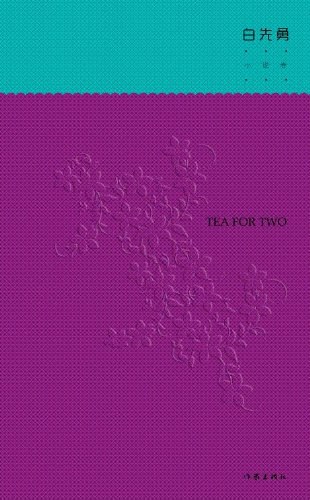
  • A new French Crystal Boys appeared. Taiwan Public Television premiered its television adaptation, followed by a major symposium. “Tea for Two” was serialized in the United Daily News. Pai received Taiwan’s seventh National Award for Arts in literature and an honorary doctorate of letters from Lingnan University.

2004

  • Produced the Young Lovers’ Edition of the Kunqu opera The Peony Pavilion, presenting all twenty-seven scenes over three days. Its tours across Taiwan, mainland China, Hong Kong, Singapore, Greece, Britain, and the United States helped catalyze a Kunqu revival. Published books on the production and on Kunqu, along with a self-selected collection. Received the inaugural Beijing Literature Festival’s Overseas Chinese-Language Writer Award and was named by mainland media among the year’s ten leading cultural contributors.

2005

  • The Young Lovers’ Edition toured eight mainland universities and became a widely discussed cultural phenomenon. “A Lone Flower in Love” became a television drama and film; Jade Love became Yue opera. Several documentary volumes on The Peony Pavilion tour were published, along with a Czech illustrated Wandering in the Garden, Waking from a Dream and an Italian Crystal Boys.

2006

  • New Chinese selections and Japanese and Dutch editions of Crystal Boys appeared. The Peony Pavilion played twelve sold-out performances at four University of California campuses and continued touring Chinese cities. Pai published a book documenting the production; Jade Love was again adapted for television.

2007

  • Received Yuan Ze University’s Laureate Writer Award. The Peony Pavilion reached its one-hundredth sold-out performance in Beijing. Pai became artistic director and honorary chair of the preparatory office for the University of Hong Kong’s Kunqu Research and Development Center. The New Yorkers and a revised production chronicle were published.

2008

  • A Japanese Taipei People appeared. The Peony Pavilion toured Chinese universities, London, and Athens. Major international conferences examined Pai’s literature, film, theater, and Kunqu work; a twelve-volume collected edition was published. National Taiwan University established the Pai Hsien-yung Literature Lecture, and Pai planned a program on Kunqu education and transmission at the University of Hong Kong.

2009

  • Numerous collected and selected editions appeared. The Peony Pavilion played Singapore and Peking University. Pai produced and directed a new Kunqu version of The Jade Hairpin, launched Peking University’s Kunqu Heritage Program, and received an honorary doctorate from the Chinese University of Hong Kong.

2010

  • Returned to formal university teaching for the first time since retirement, leading Peking University’s “Appreciating Classic Kunqu” course. The new Jade Hairpin premiered in Shanghai, and Pai launched a Kunqu heritage program with Soochow University. New editions of Crystal Boys and four major works appeared.

2011

  • Wandering in the Garden, Waking from a Dream returned to the Taipei stage. Pai taught “A New Aesthetics of Kunqu” at National Taiwan University and lectured at the Chinese University of Hong Kong. New books and editions appeared. The Young Lovers’ Peony Pavilion reached its two-hundredth performance at China’s National Centre for the Performing Arts.

2012

  • Published Father and the Republic: An Album of General Pai Chung-hsi in Taiwan, mainland China, and Hong Kong. Exhibitions, seminars, and lectures across China and North America accompanied the book through 2014. Jade Love was adapted as a Yue-opera film.

2013

  • New editions of Once, When I Went Away and Father and the Republic appeared. Pai joined events marking his father’s 120th birthday, adapted and directed The Eternal Snow Beauty for the stage, and published a Chinese–English Taipei People. Hong Kong Polytechnic University awarded him an honorary doctorate of letters.

2014

  • Marked thirty years of Crystal Boys; the novel became a major stage production. Pai received Taiwan’s 33rd Executive Yuan Culture Award and began a three-semester National Taiwan University lecture series on Dream of the Red Chamber. He co-authored Healing the Pain on General Pai Chung-hsi and the February 28 Incident. A Czech Taipei People appeared.

2015

  • National Taiwan University offered courses on Pai’s Kunqu aesthetics and artistic world. The tenth anniversary of the Young Lovers’ Peony Pavilion was celebrated with performances, talks, and an exhibition. Pai co-authored The Crucial Sixteen Days and produced a related documentary. Nanjing University established the Pai Hsien-yung Cultural Foundation. “A Touch of Green” became a television series; Pai received the Global Chinese Literature Xingyun Contribution Award, and a feature documentary about him premiered.

2016

  • Received an honorary doctorate from the University of Macau. Published Once, When I Went Away, The Peony Connection, Pai Hsien-yung on Dream of the Red Chamber, and Modern Literature: Encounters and Affinities.

2017

  • The mainland edition of Pai Hsien-yung on Dream of the Red Chamber prompted lectures in several cities. A documentary about him screened in Beijing. He serialized “Eight Thousand Li under Clouds and Moonlight” and received the 14th Huazong World Chinese Literature Award.

2018

  • As a distinguished lecturer at the Chinese University of Hong Kong, spoke on Dream of the Red Chamber and Kunqu. Pai Hsien-yung on Dream of the Red Chamber was selected among fifty books loved by the public in 2017. He planned Setting the Record Straight on Dream of the Red Chamber. A Vietnamese Crystal Boys appeared; “Silent Night” won the fifth Yu Dafu Fiction Award for short fiction.

2019

  • Published Eight Thousand Li under Clouds and Moonlight, Looking Up without Shame, My Search for Roots, Literature Will Not Die, and other works. Planned new Kunqu productions and a cross-strait forum reassessing Dream of the Red Chamber, where he lectured on plays within the novel.

2020

  • Published Pai Hsien-yung’s Renaissance and, with Hsi Sung, Dreaming the Red Chamber. Taught a literary lecture series on Dream of the Red Chamber at National Tsing Hua University. A new stage Crystal Boys premiered in Kaohsiung. With Liao Yen-po, published the three-volume Forty Years of Joy and Sorrow: Pai Chung-hsi and Chiang Kai-shek.

2021

  • The documentary Reviving the Peony: Pai Hsien-yung and the Kunqu Renaissance opened in Taipei. Published The Revival of Beauty. Events marked the fiftieth anniversary of Taipei People, including a collector’s edition, exhibition, and symposium. Pai received honorary doctorates and awards from National Taiwan University and the City of Taipei.
2022

  • Was named an honorary lecturer at Tsinghua University. Published new editions and The Complete Record of the 2020 Stage Production of Crystal Boys, and took part in public conversations about the production and literature.
2023

  • The original cast of the Young Lovers’ Peony Pavilion returned to Soochow University nineteen years after its premiere and toured Beijing and Hong Kong. A five-volume collector’s set appeared. Pai spoke at Taiwan’s national literature camp; Nanjing University hosted a forum on Chiang Kai-shek and the Guangxi Clique.

2024

  • Three illustrated pocket books on Dream of the Red Chamber and an Italian Taipei People were published. The Young Lovers’ Peony Pavilion marked its twentieth anniversary with tours, lectures, its five-hundredth performance at Tsinghua University, and performances at Peking and Nanjing universities. Pai became a distinguished visiting professor at Nanjing University and published Twenty Years of Peonies in Bloom.

2025

  • The journal Chinese Kunqu Studies was launched in Nanjing. Students from twenty-nine universities performed a campus Young Lovers’ Peony Pavilion. Pai received the “You Bring Charm to the World” award. National Taiwan University presented a literary exhibition based on manuscripts and books he donated in 2023. The Pai Hsien-yung Digital Library went online in December.

Bibliography

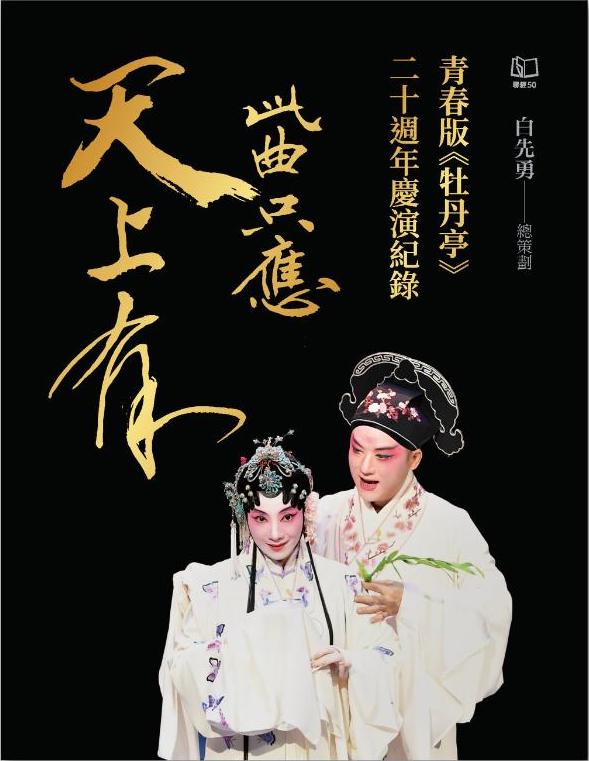
此曲只應天上有:青春版《牡丹亭》二十週年慶演紀錄
2025年2月
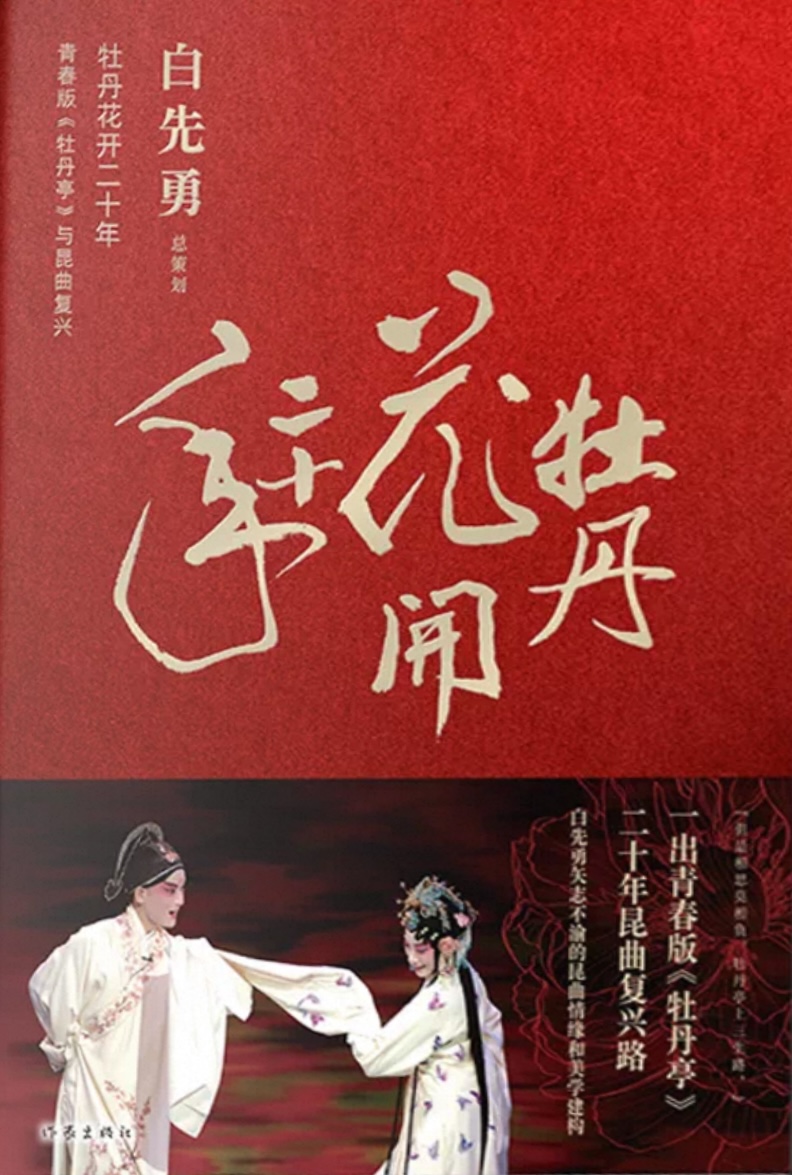
牡丹花开二十年:青春版《牡丹亭》与昆曲复兴
2024年9月
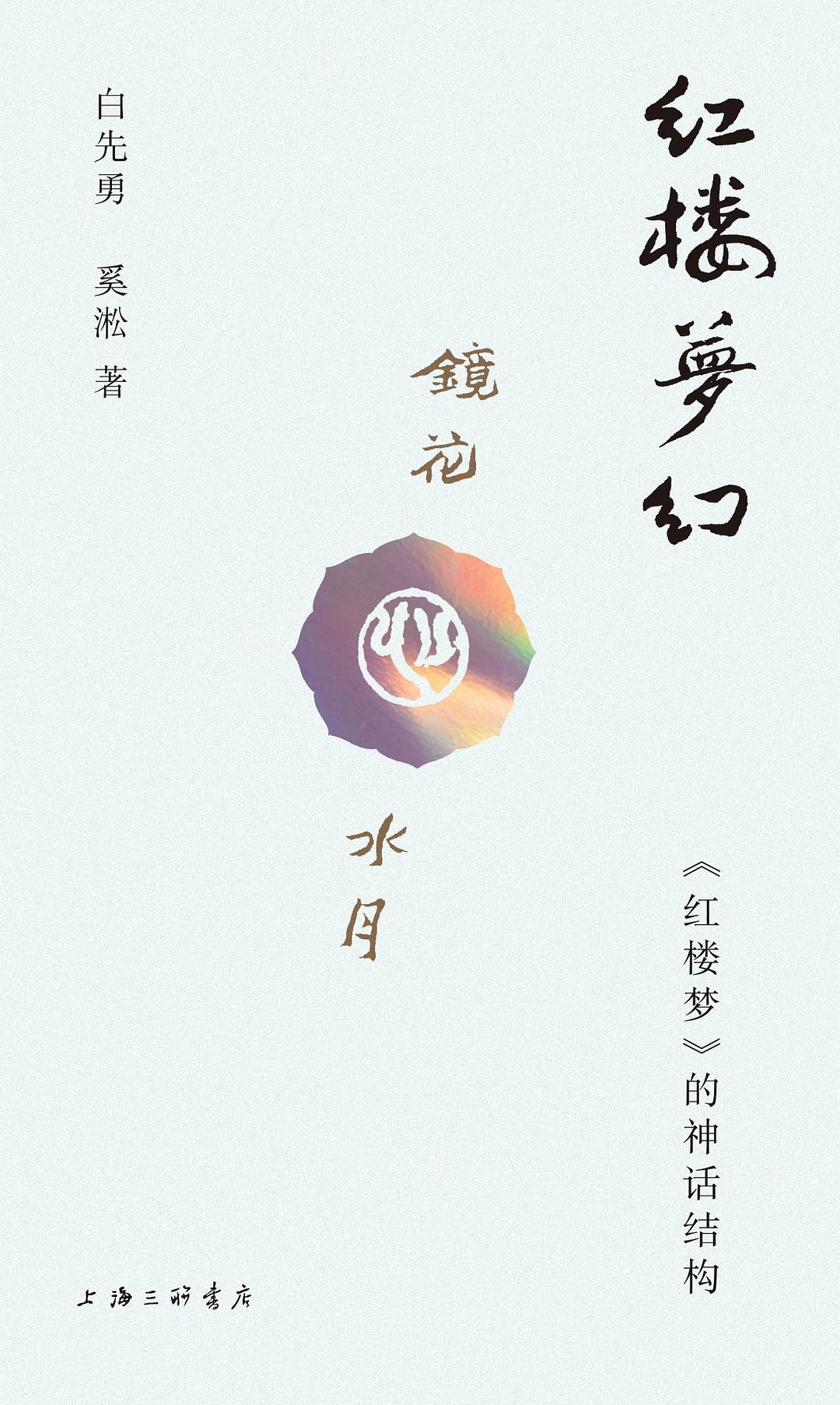
红楼梦幻:《红楼梦》的神话结构
红楼梦幻:《红楼梦》的神话结构
2024年2月
白先勇细说红楼梦(插图袖珍本)
白先勇细说红楼梦(插图袖珍本)
2024年2月
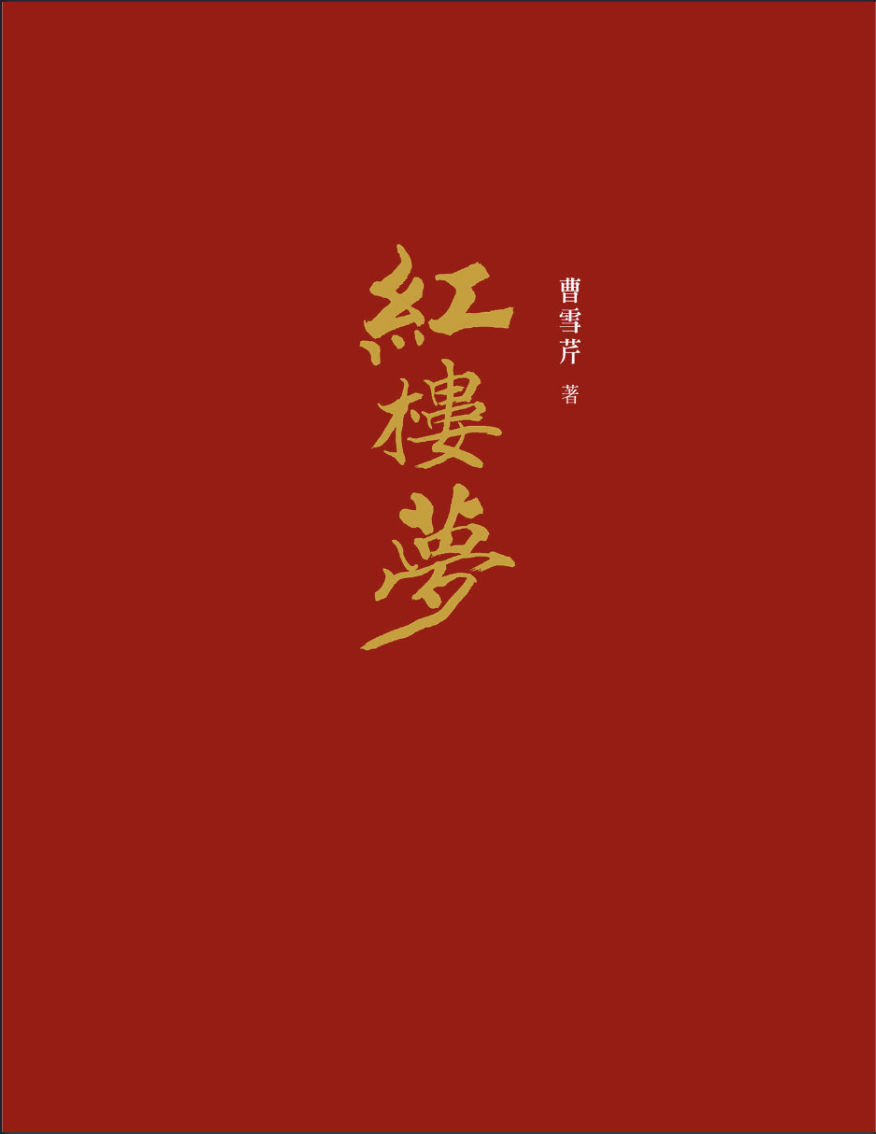
红楼梦 (程乙本校注版)
红楼梦 (程乙本校注版)
2024年1月
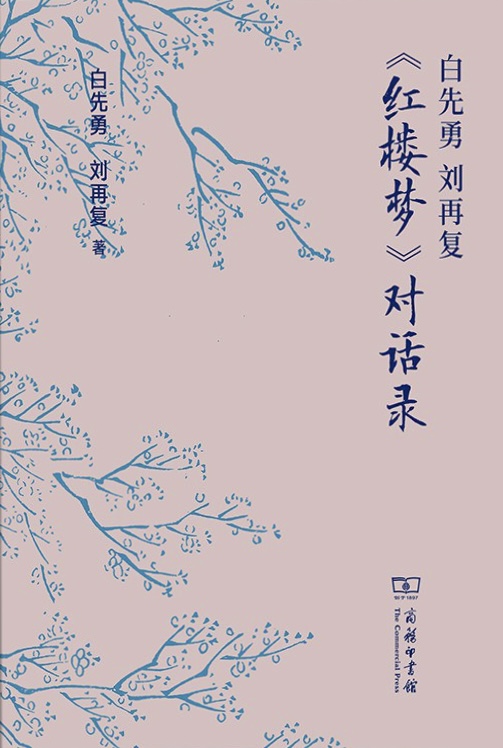
白先勇、刘再复《红楼梦》对话录
白先勇、刘再复《红楼梦》对话录
2023年6月
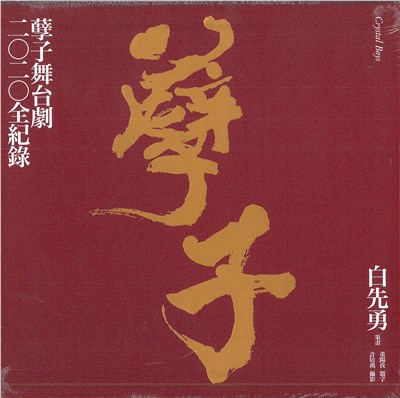
孽子舞台劇二○二○全紀錄
孽子舞台劇二○二○全紀錄
2022年5月
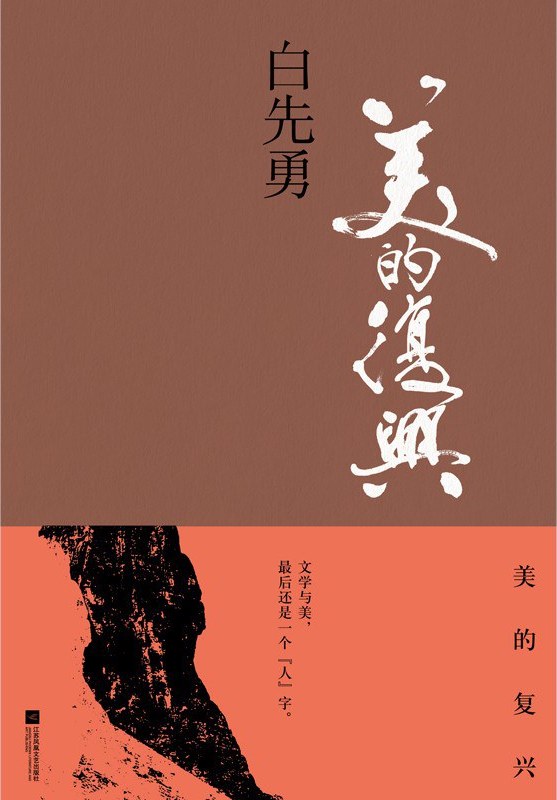
美的复兴
美的复兴
2020年11月
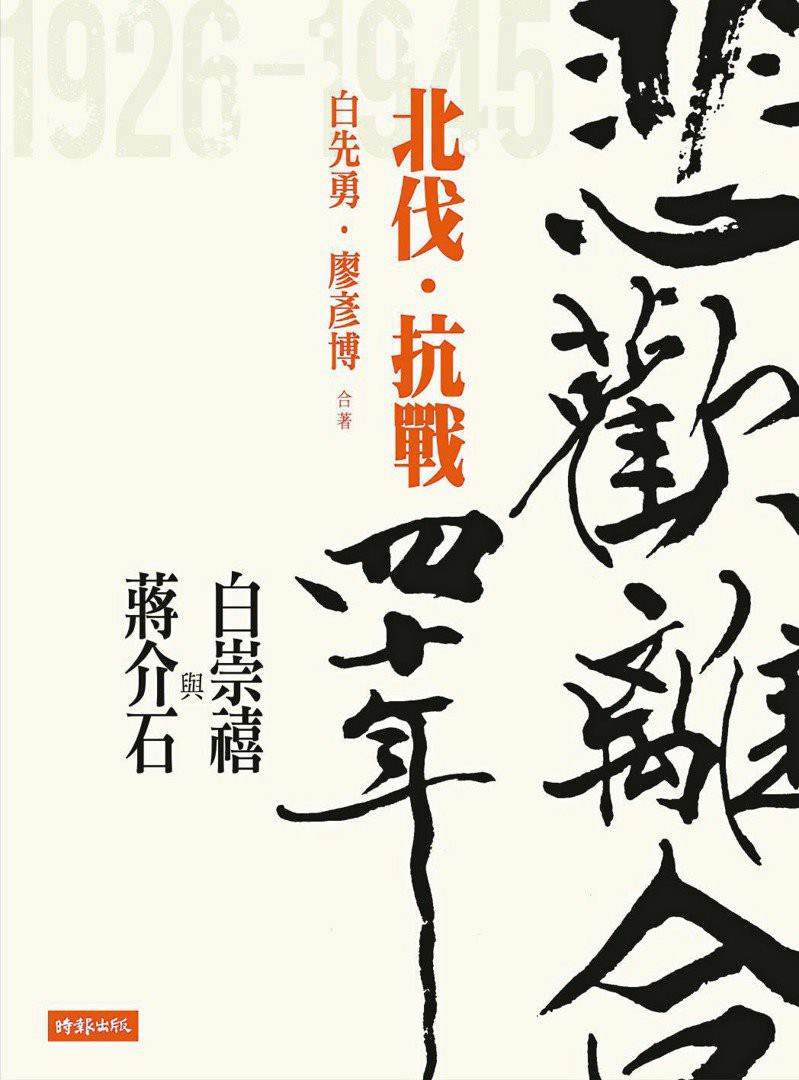
悲歡離合四十年:白崇禧與蔣介石(上)北伐.抗戰
2020年9月
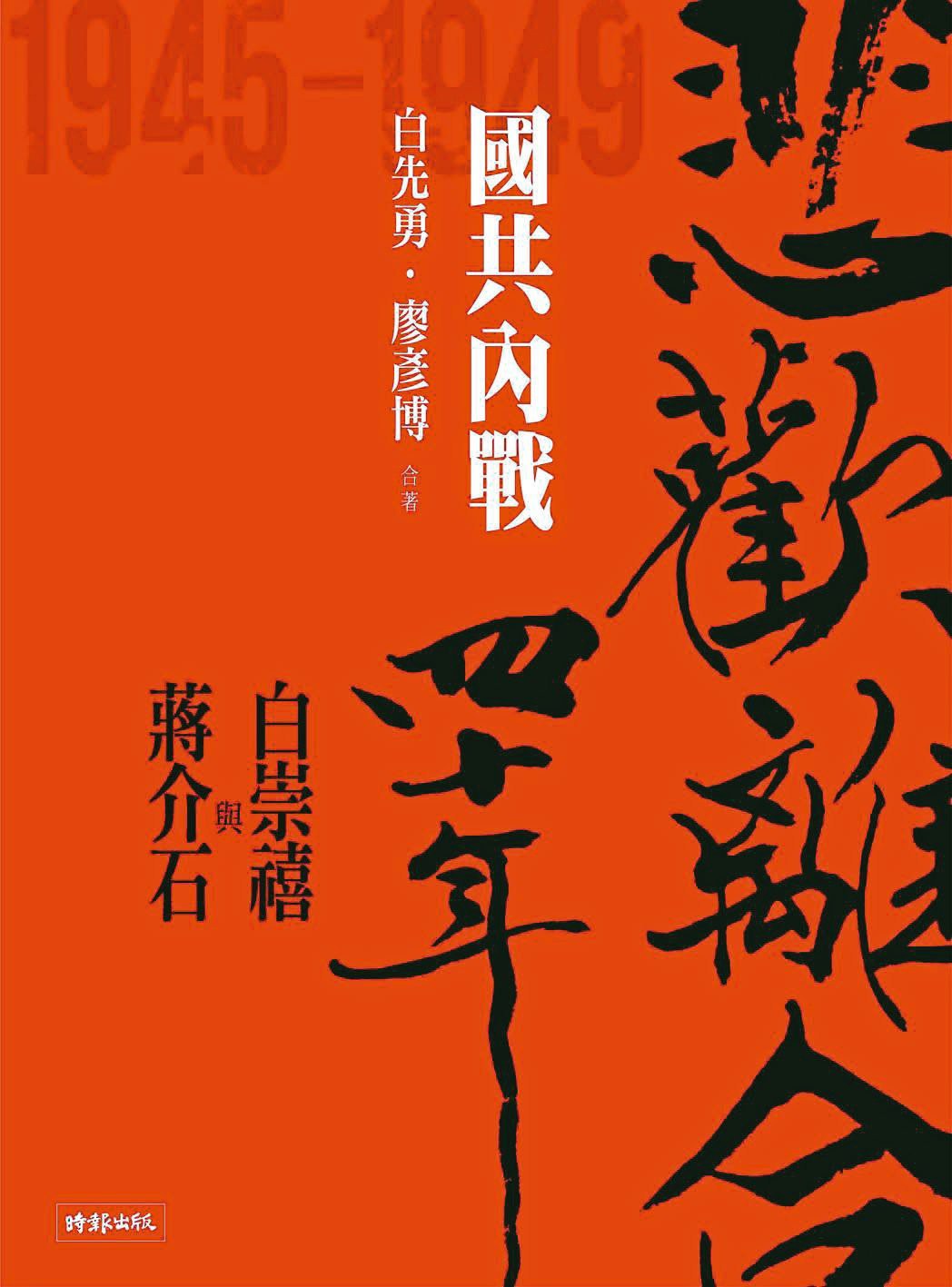
悲歡離合四十年:白崇禧與蔣介石(中) 國共內戰
2020年9月
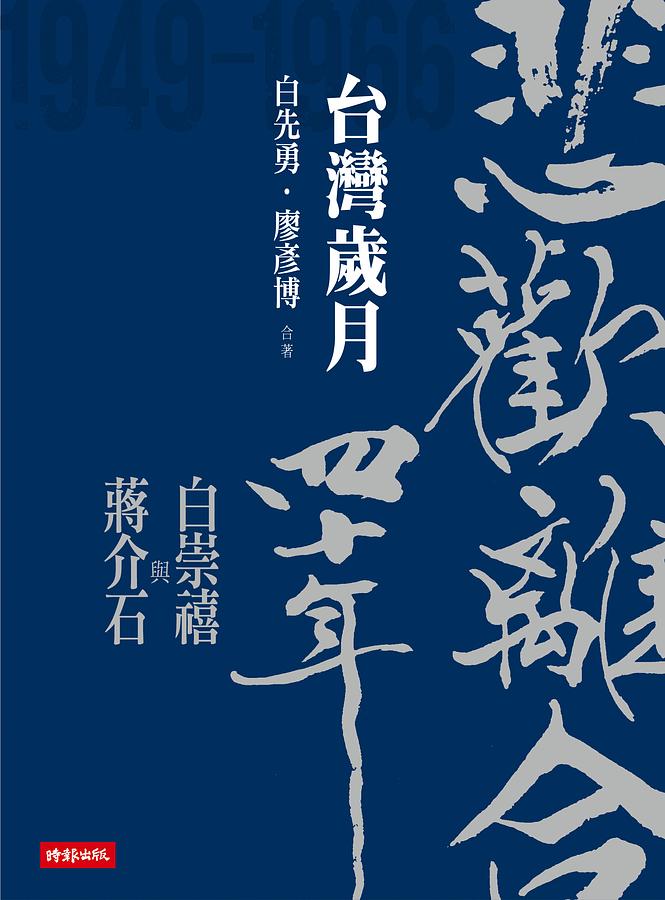
悲歡離合四十年:白崇禧與蔣介石(下)台灣歲月
2020年9月
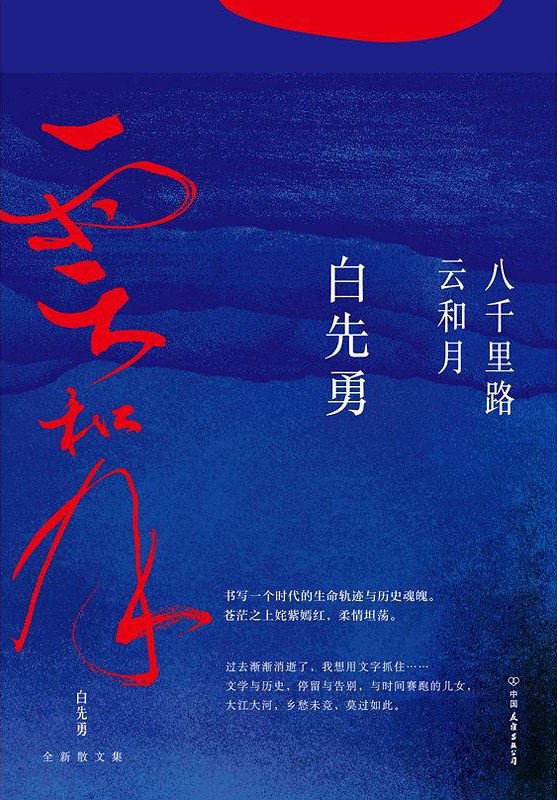
八千里路云和月
八千里路云和月
2019年11月
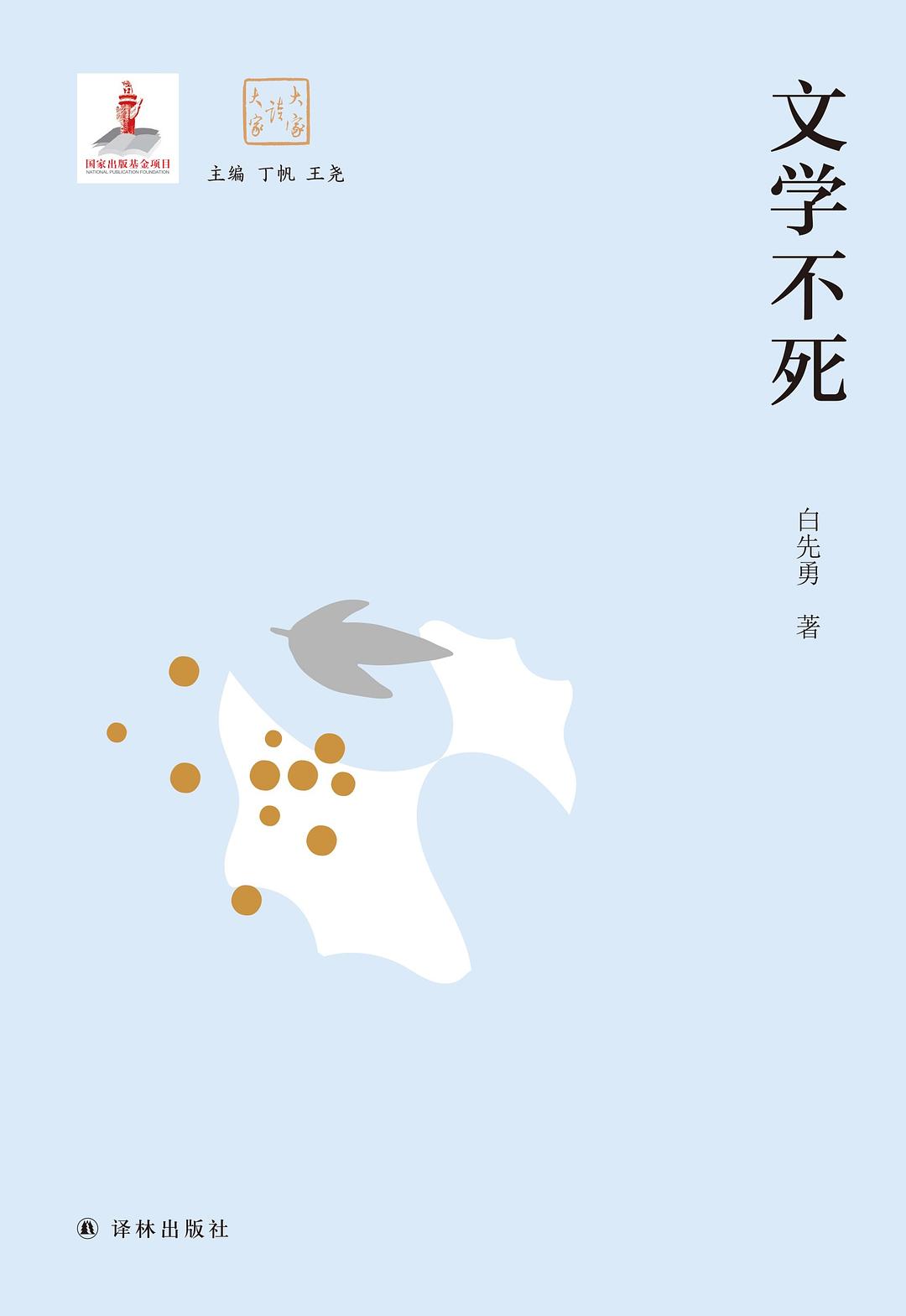
文学不死
文学不死
2019年7月
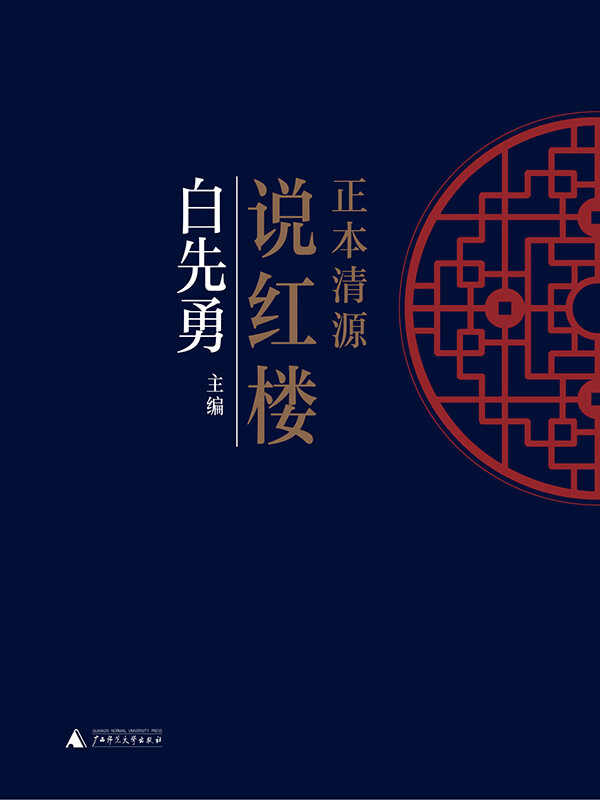
正本清源说红楼
正本清源说红楼
2019年4月
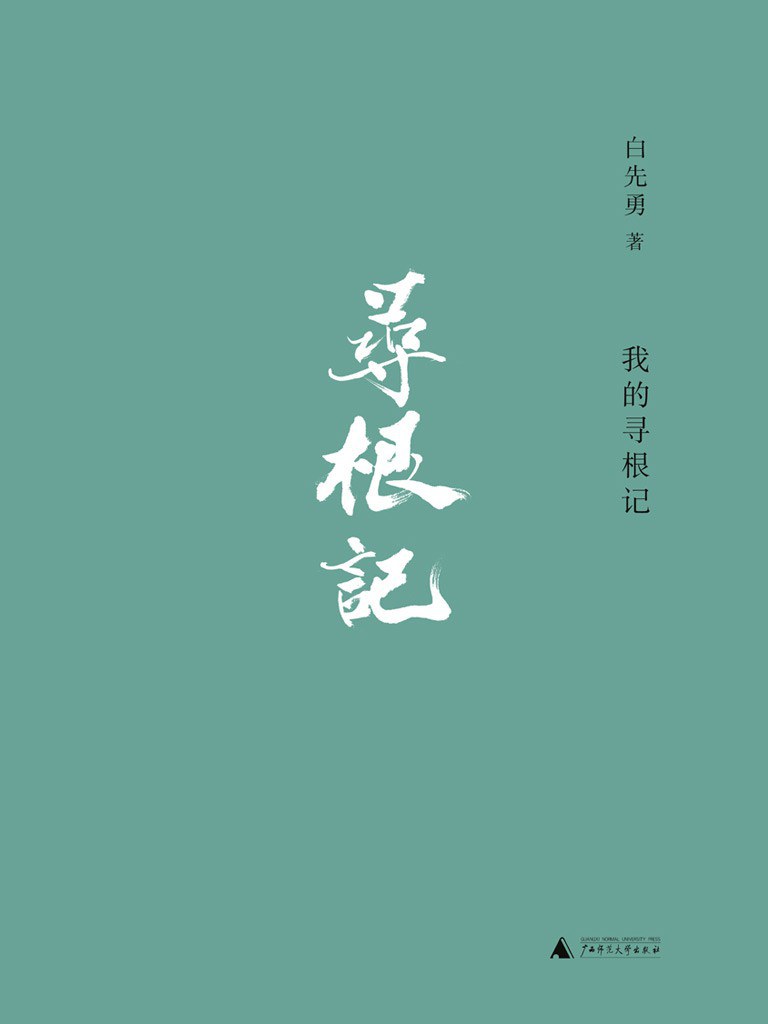
我的寻根记
我的寻根记
2019年3月
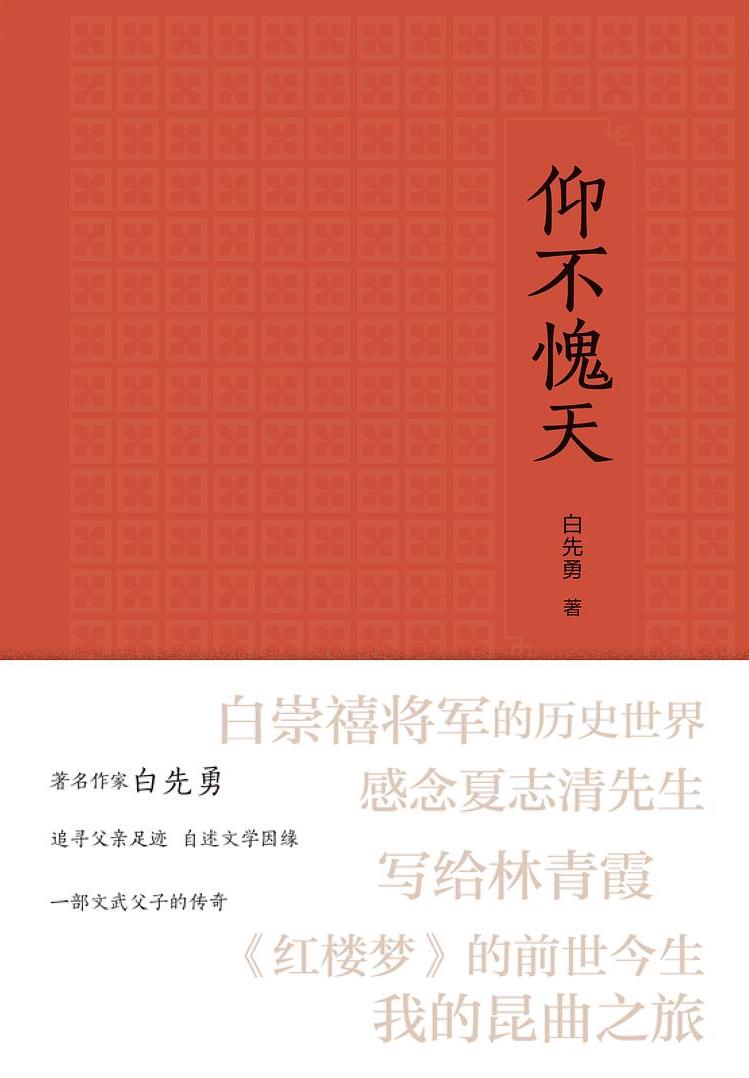
仰不愧天
仰不愧天
2019年1月
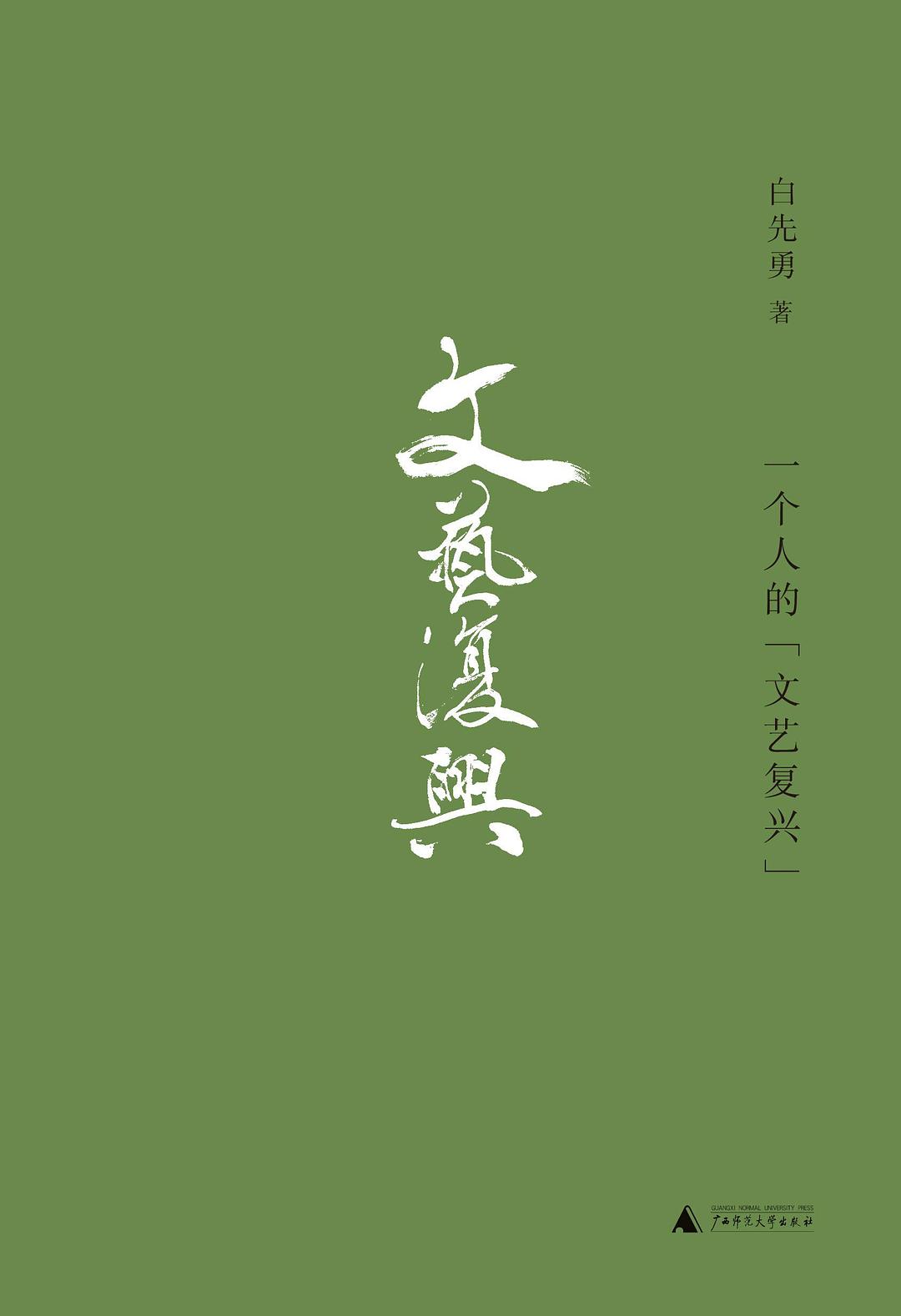
一个人的「文艺复兴」
一个人的「文艺复兴」
2019年1月
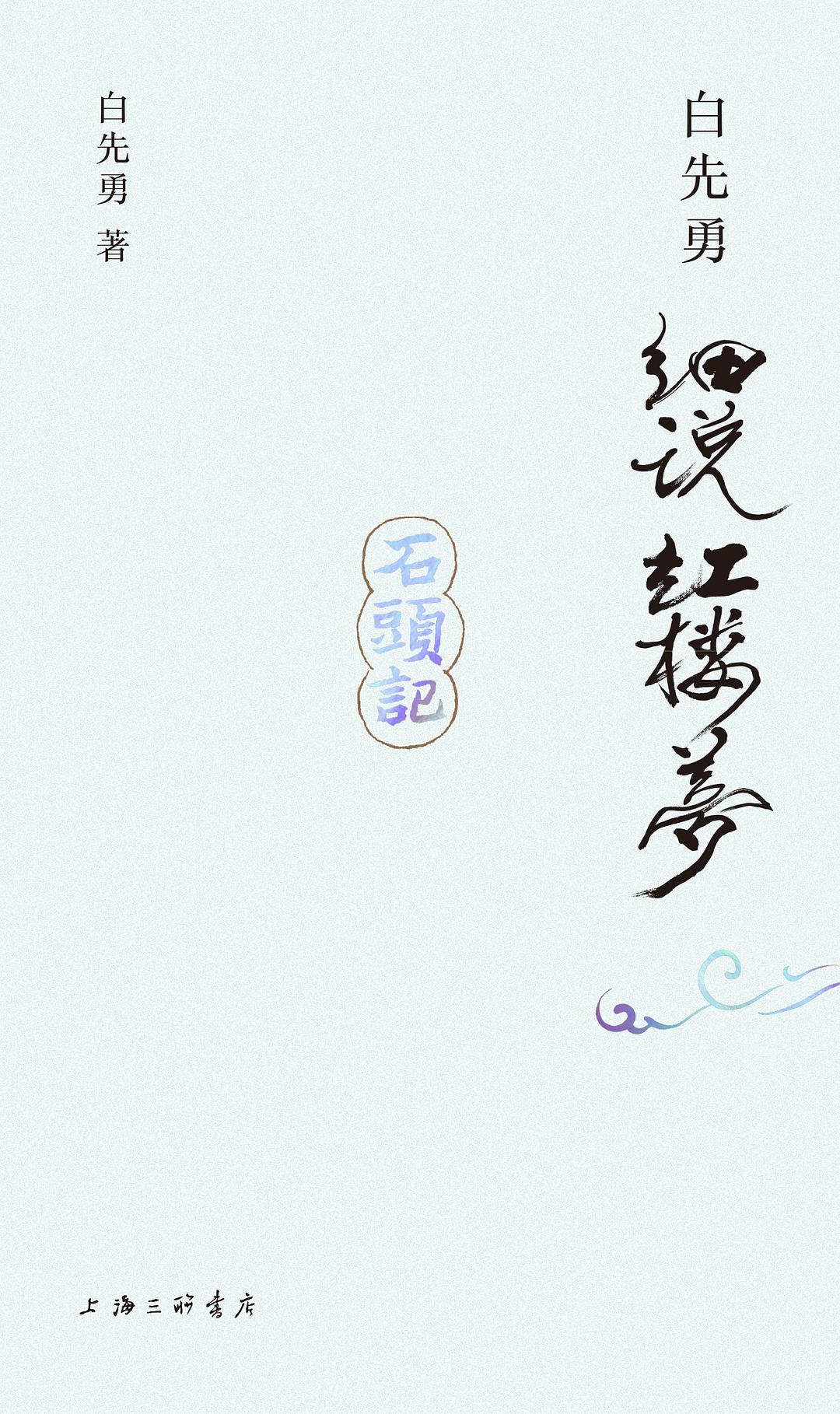
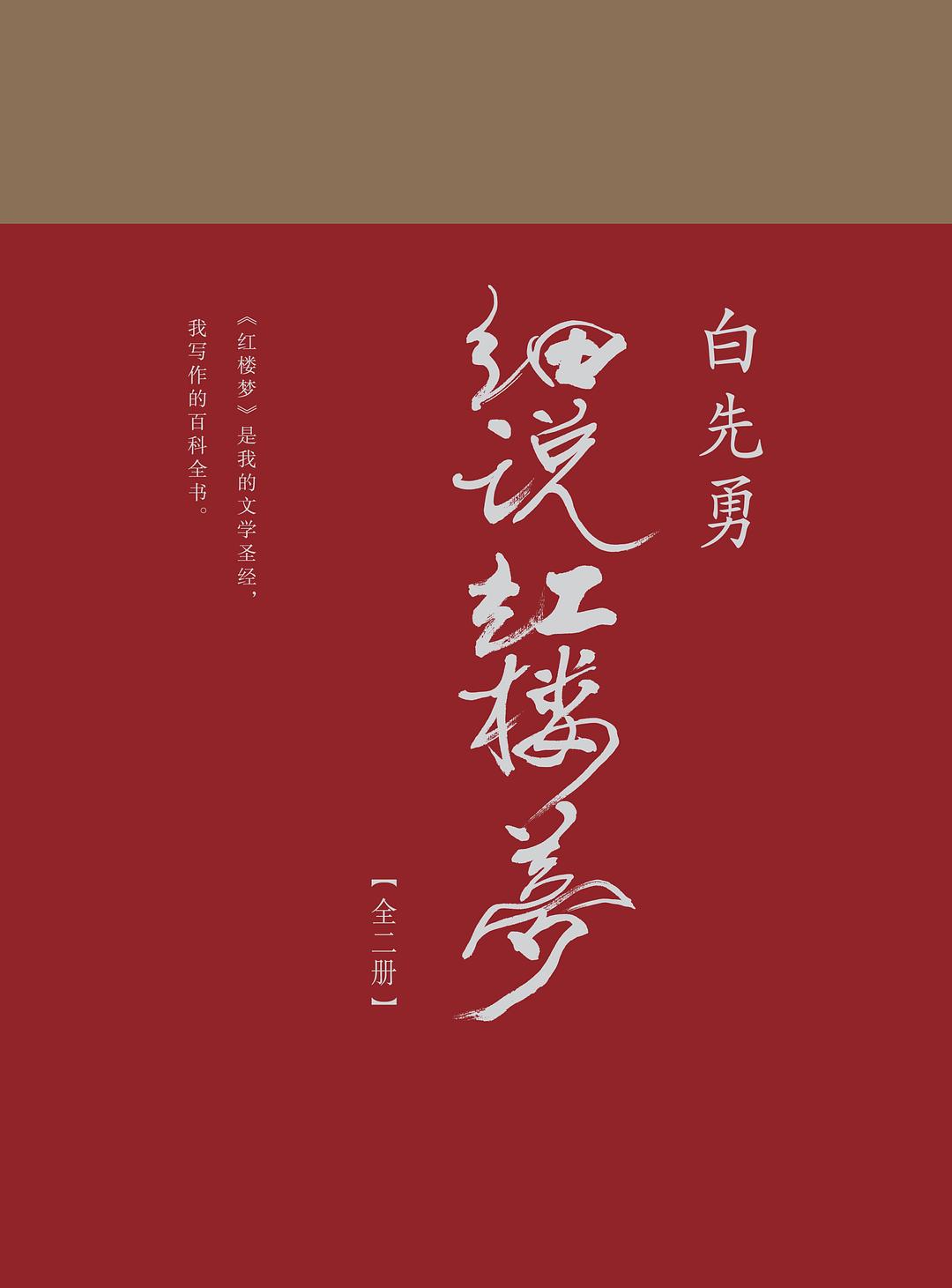
白先勇细说红楼梦
白先勇细说红楼梦
2017年2月
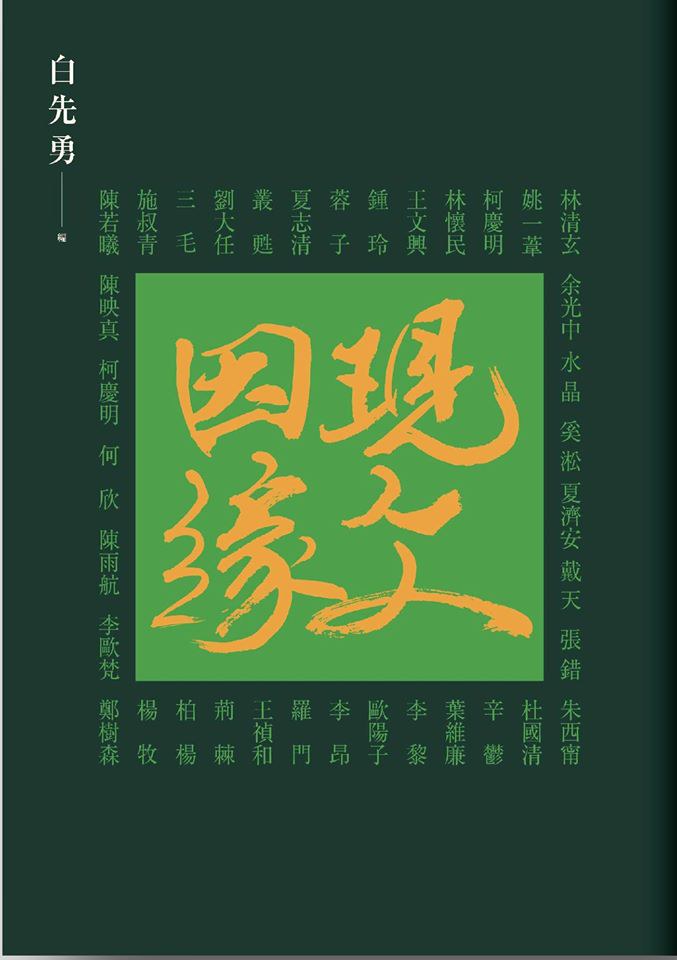
現文因緣
現文因緣
2016年7月
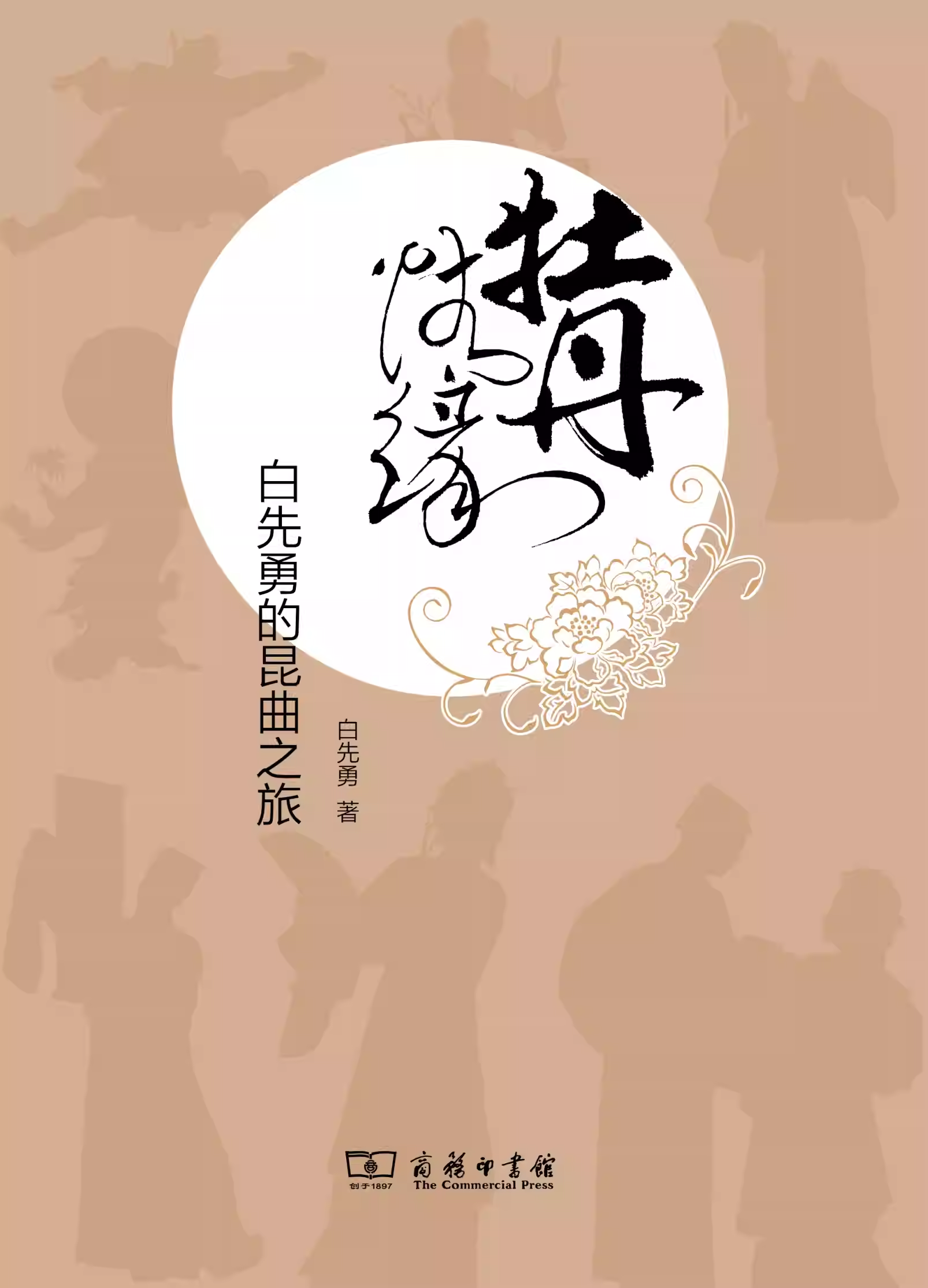
牡丹情缘:白先勇的昆曲之旅
牡丹情缘:白先勇的昆曲之旅
2016年4月
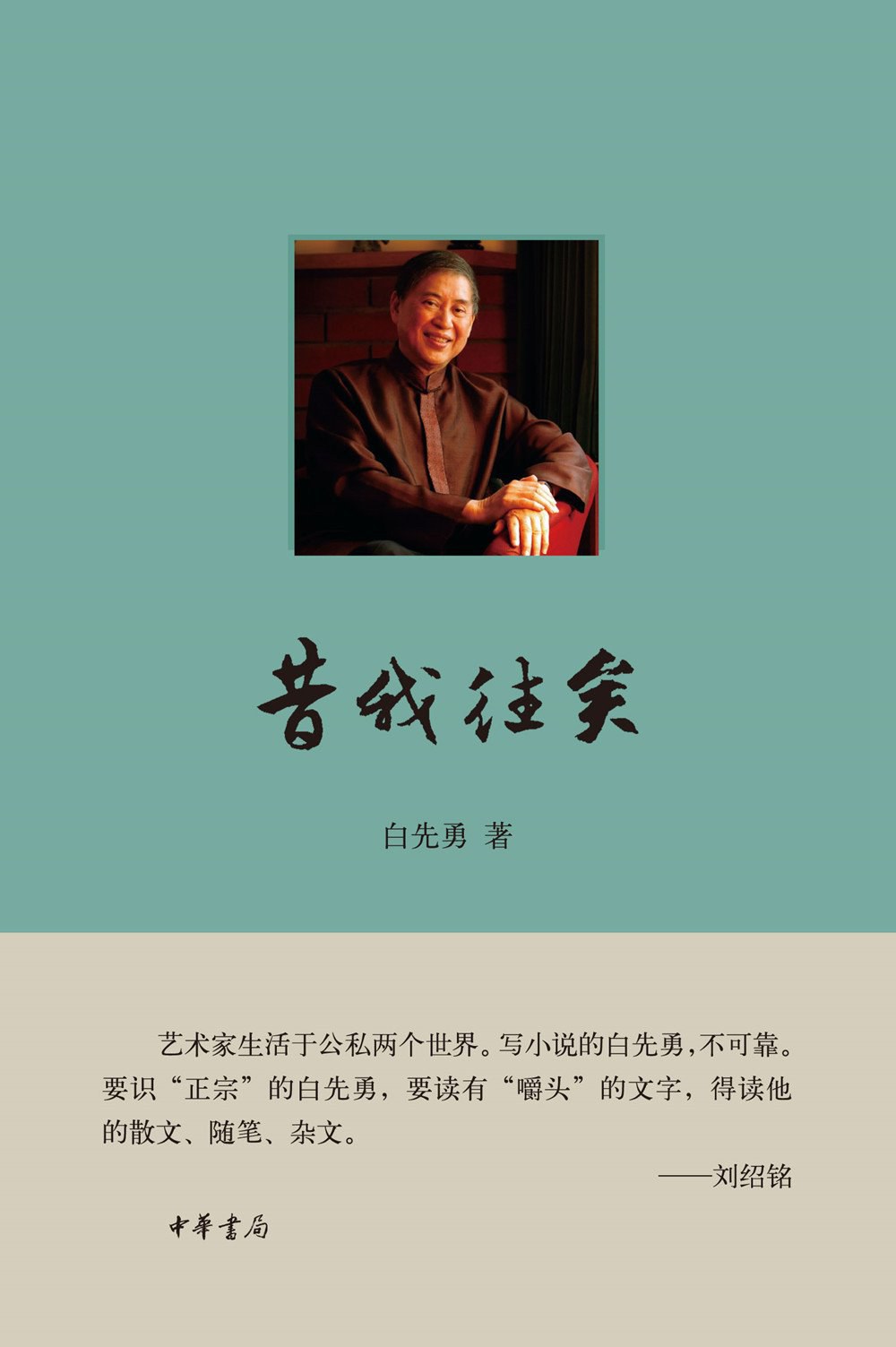
昔我往矣
昔我往矣
2016年1月
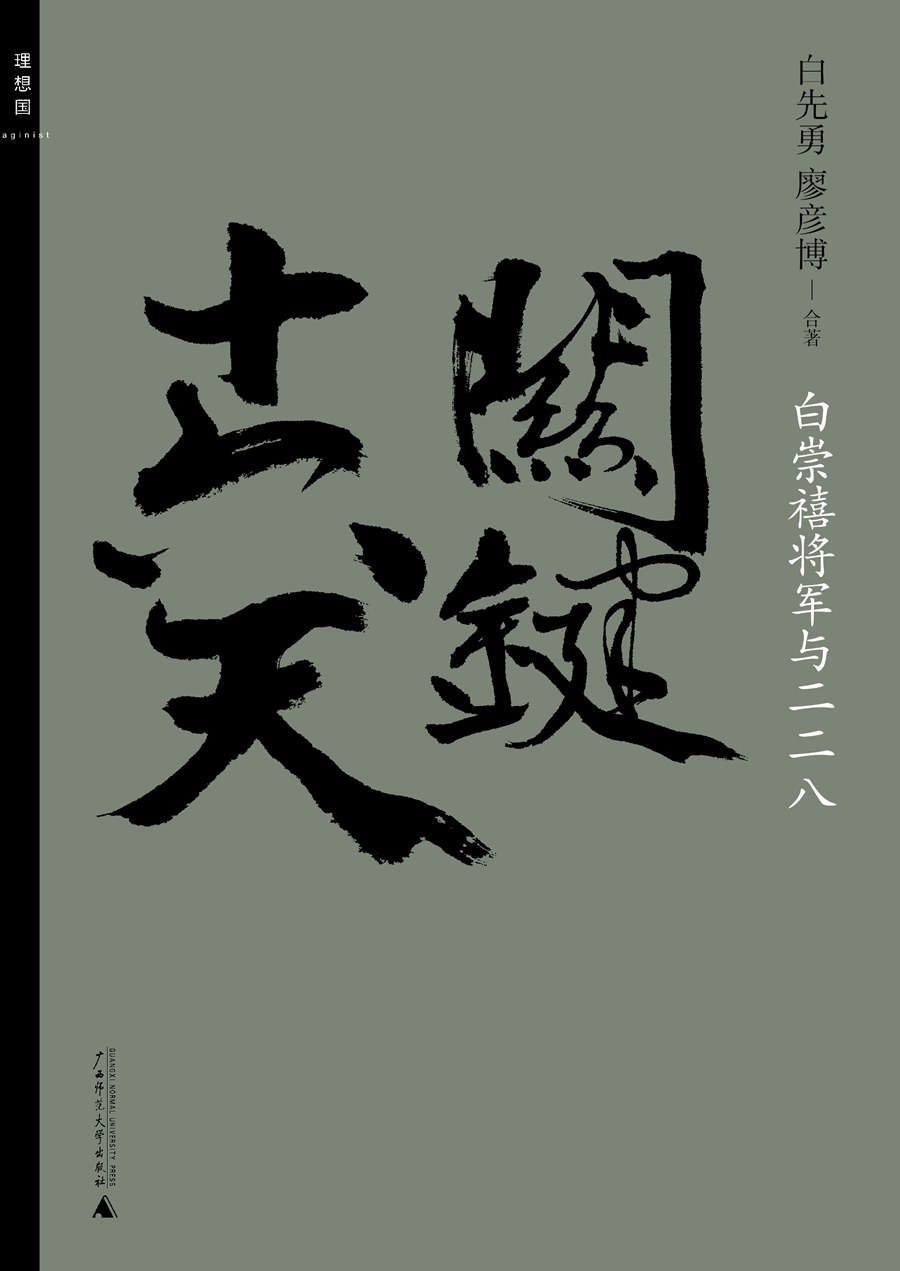
关键十六天:白崇禧将军与二二八
关键十六天:白崇禧将军与二二八
2015年3月
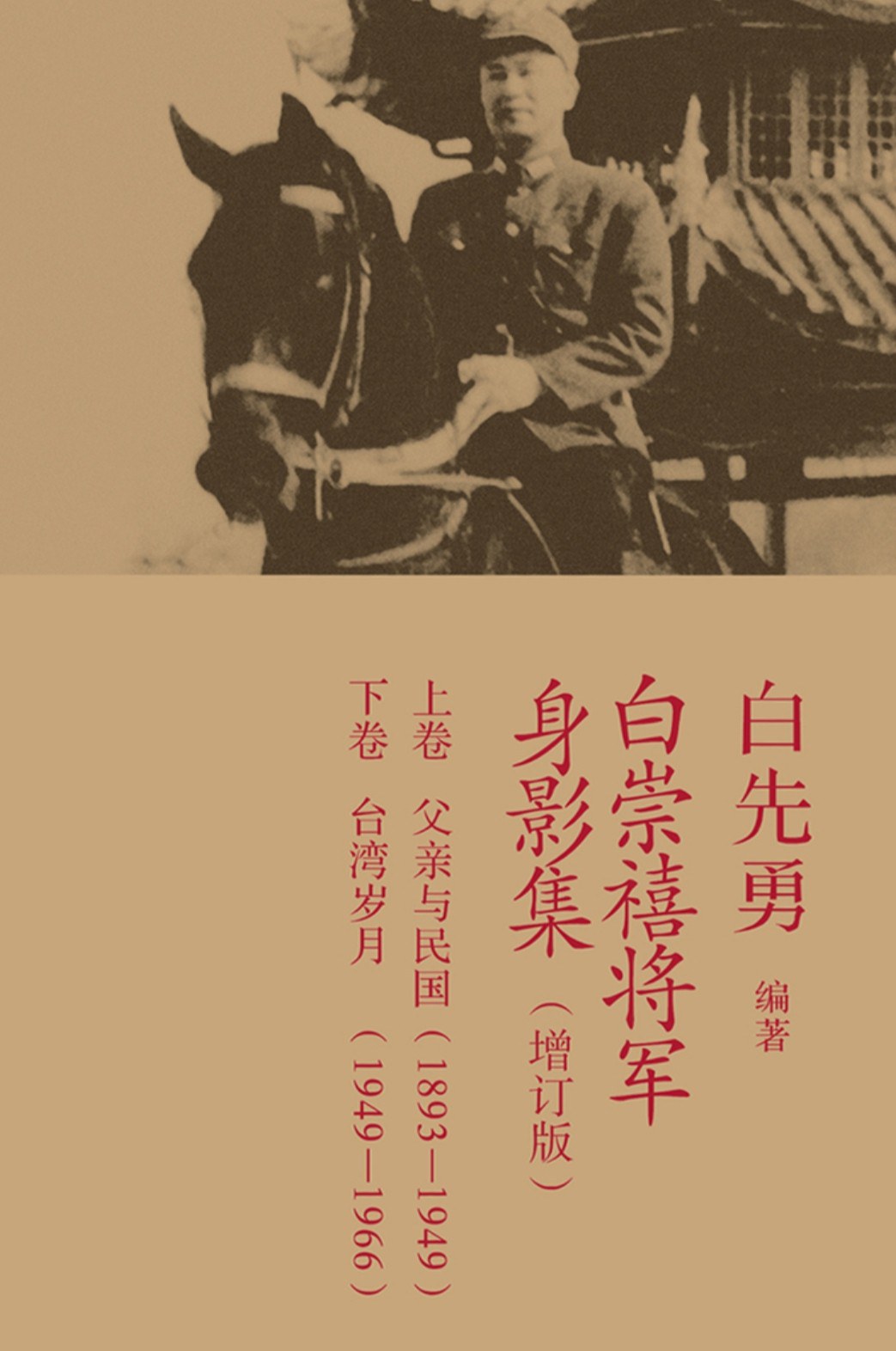
白崇禧将军身影集
白崇禧将军身影集
2013年3月
树犹如此
树犹如此
2011年11月
Tea for Two:白先勇小说卷
Tea for Two:白先勇小说卷
2011年5月
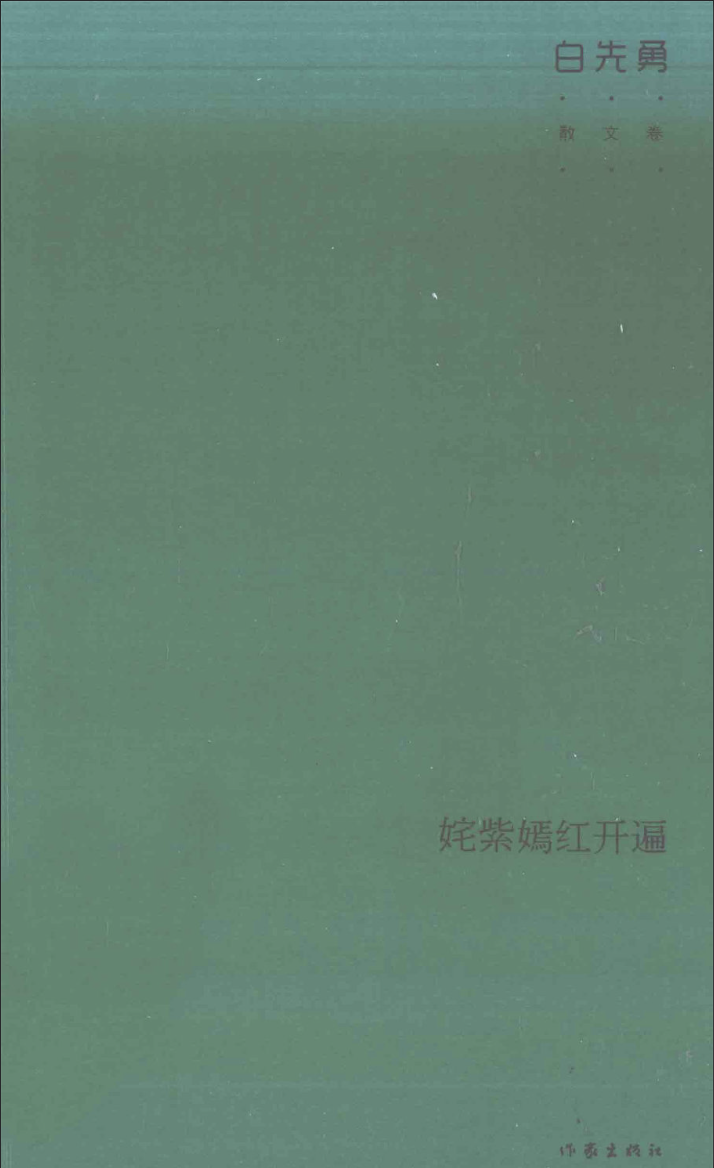
姹紫嫣红开遍:白先勇散文卷
姹紫嫣红开遍:白先勇散文卷
2011年5月
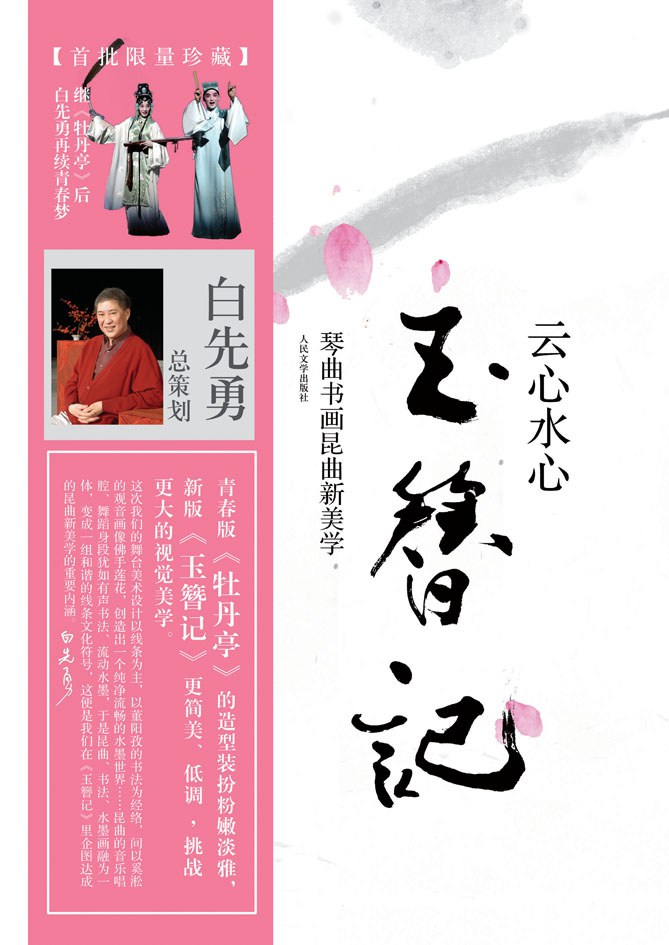
云心水心玉簪记——琴曲书画昆曲新美学
云心水心玉簪记——琴曲书画昆曲新美学
2011年2月
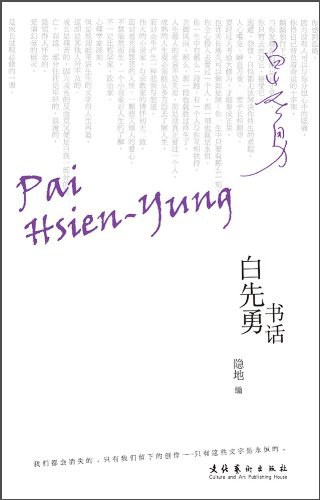
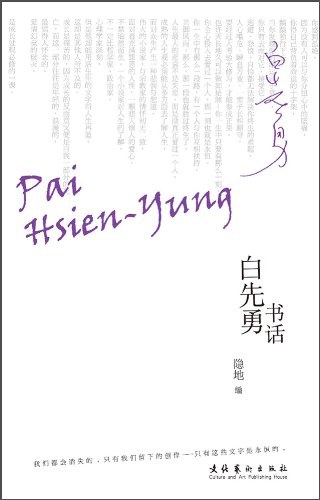
白先勇书话
白先勇书话
2010年12月
白先勇书话
白先勇书话
2010年12月
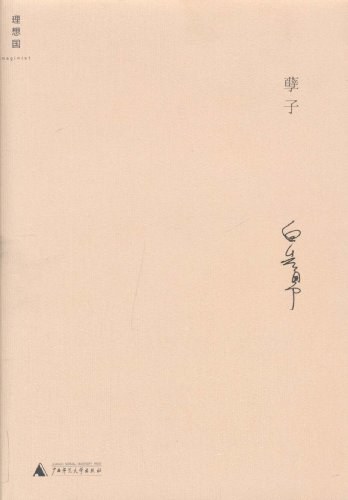
孽子
孽子
2010年10月
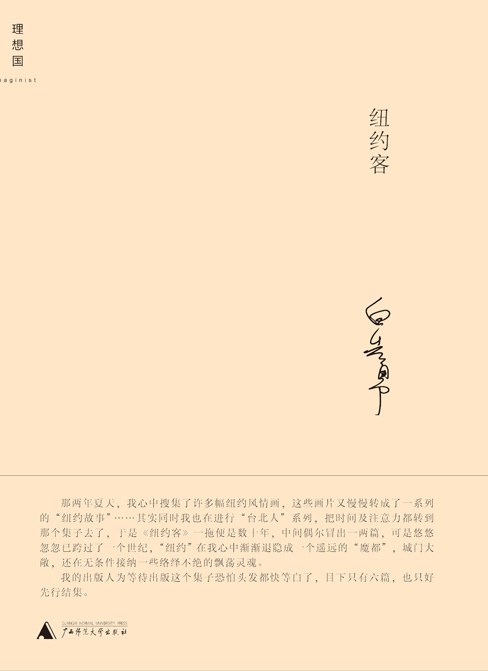
纽约客
纽约客
2010年10月
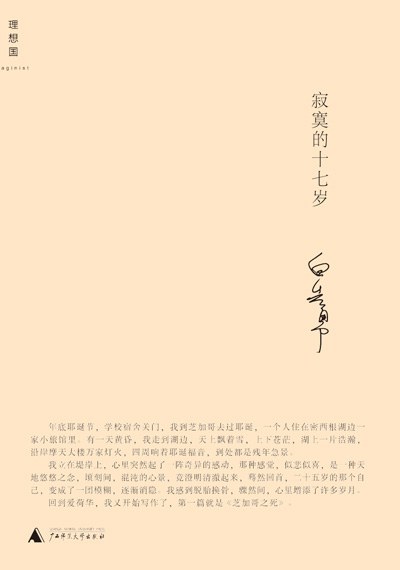
寂寞的十七岁
寂寞的十七岁
2010年10月
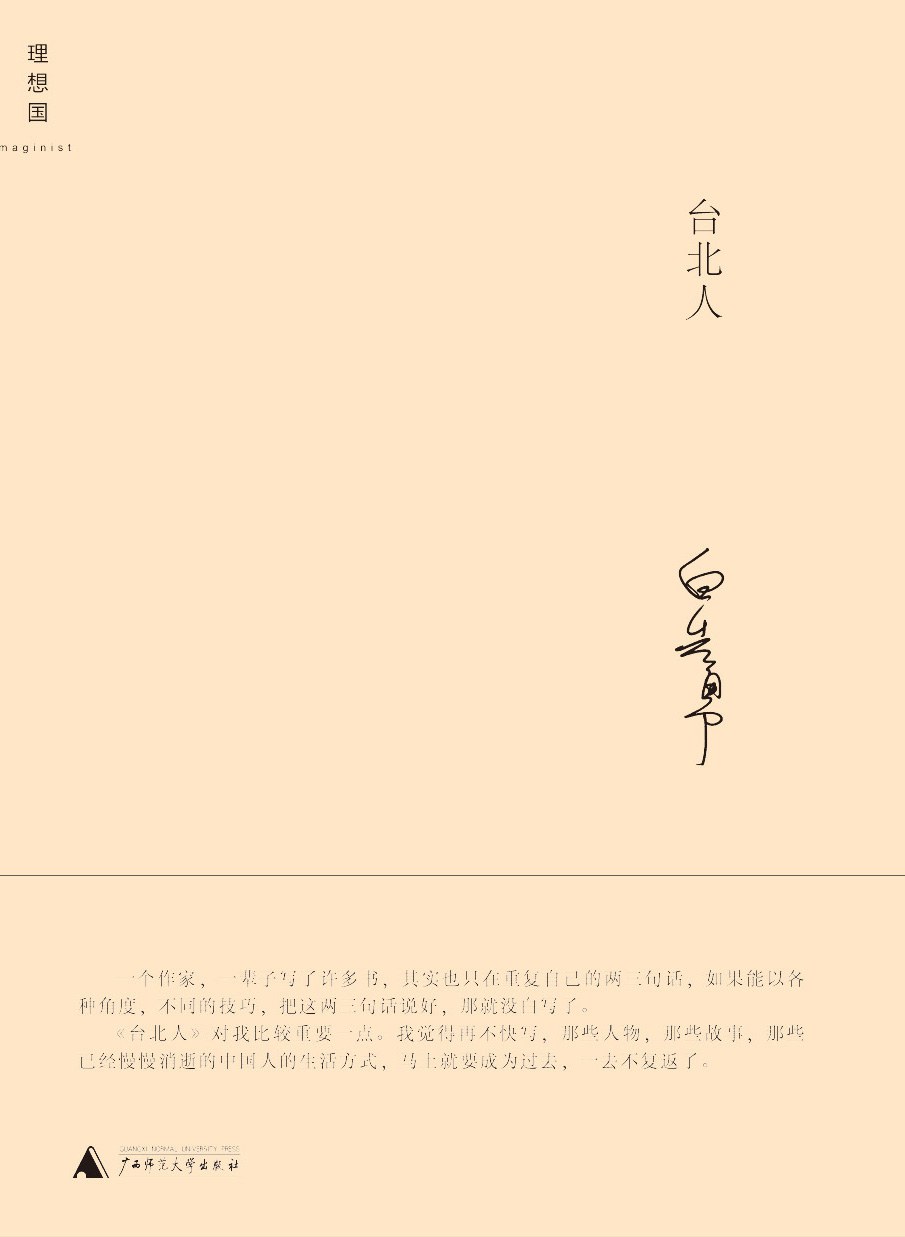
台北人
台北人
2010年10月
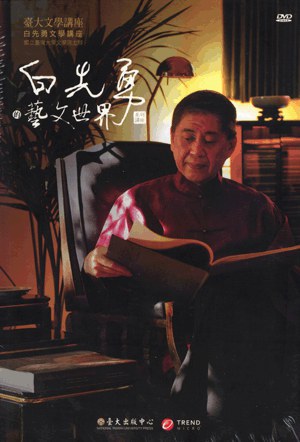
白先勇的藝文世界
白先勇的藝文世界
2009年12月
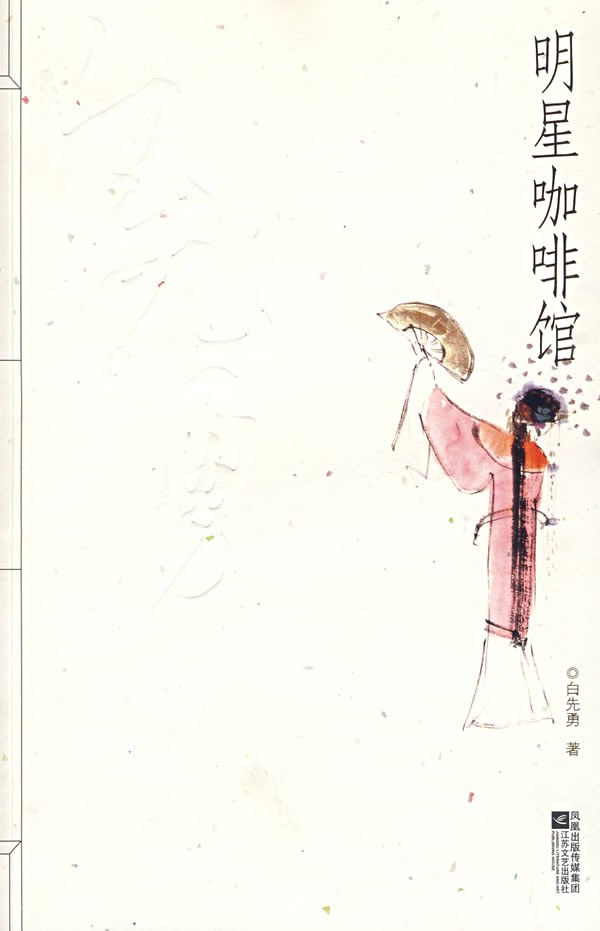
明星咖啡馆
明星咖啡馆
2009年5月
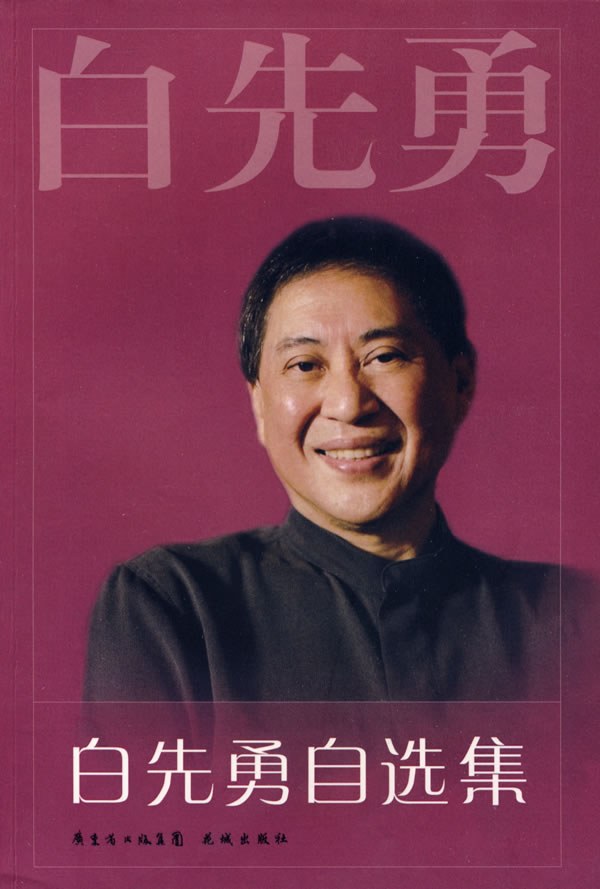
白先勇自选集
白先勇自选集
2009年3月
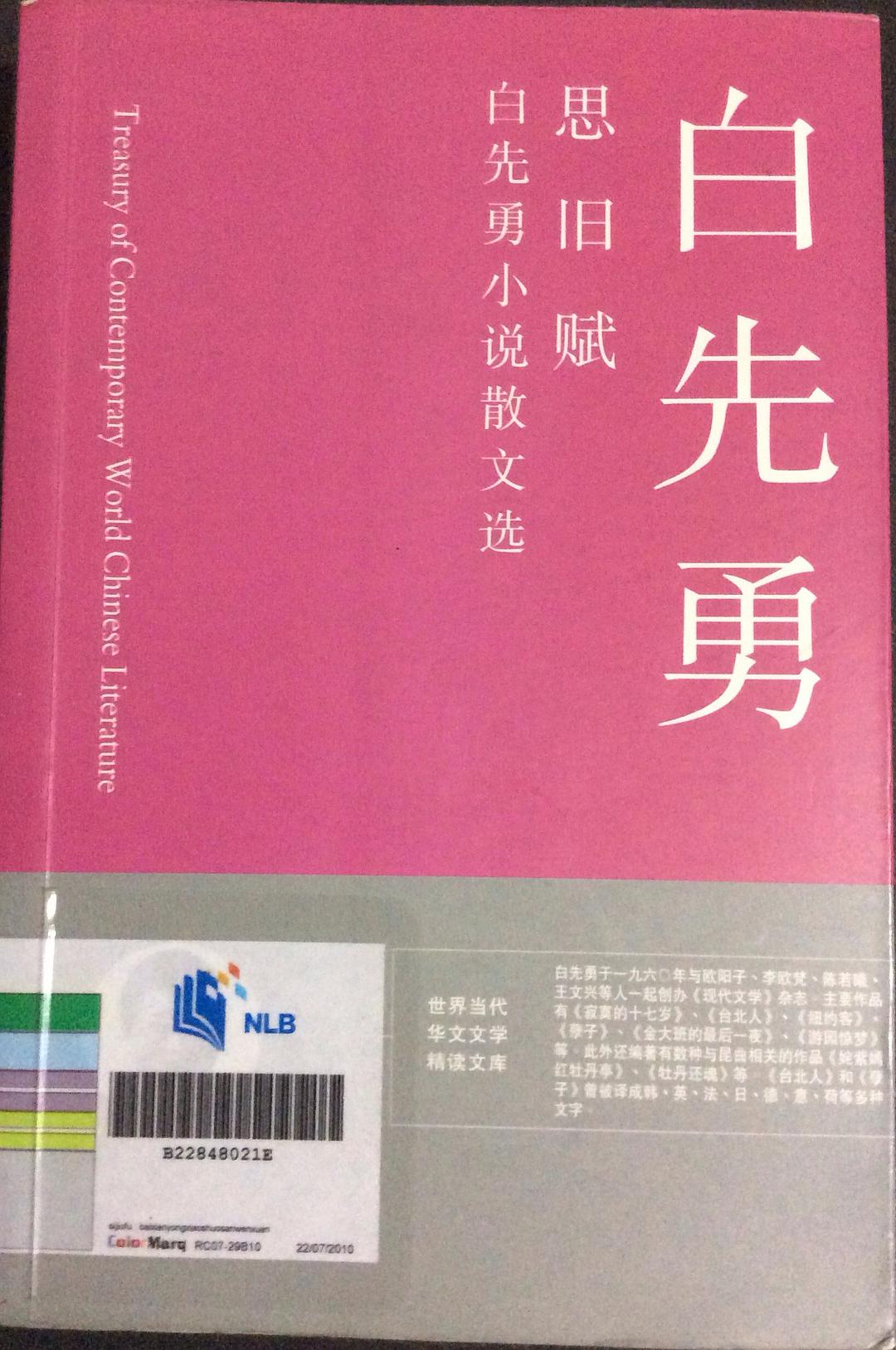
思舊賦:白先勇小說散文選
思舊賦:白先勇小說散文選
2009年2月
圆梦:白先勇与青春版牡丹亭
圆梦:白先勇与青春版牡丹亭
2006年11月
奼紫嫣紅開遍:青春版《牡丹亭》巡迴紀實
奼紫嫣紅開遍:青春版《牡丹亭》巡迴紀實
2005年11月
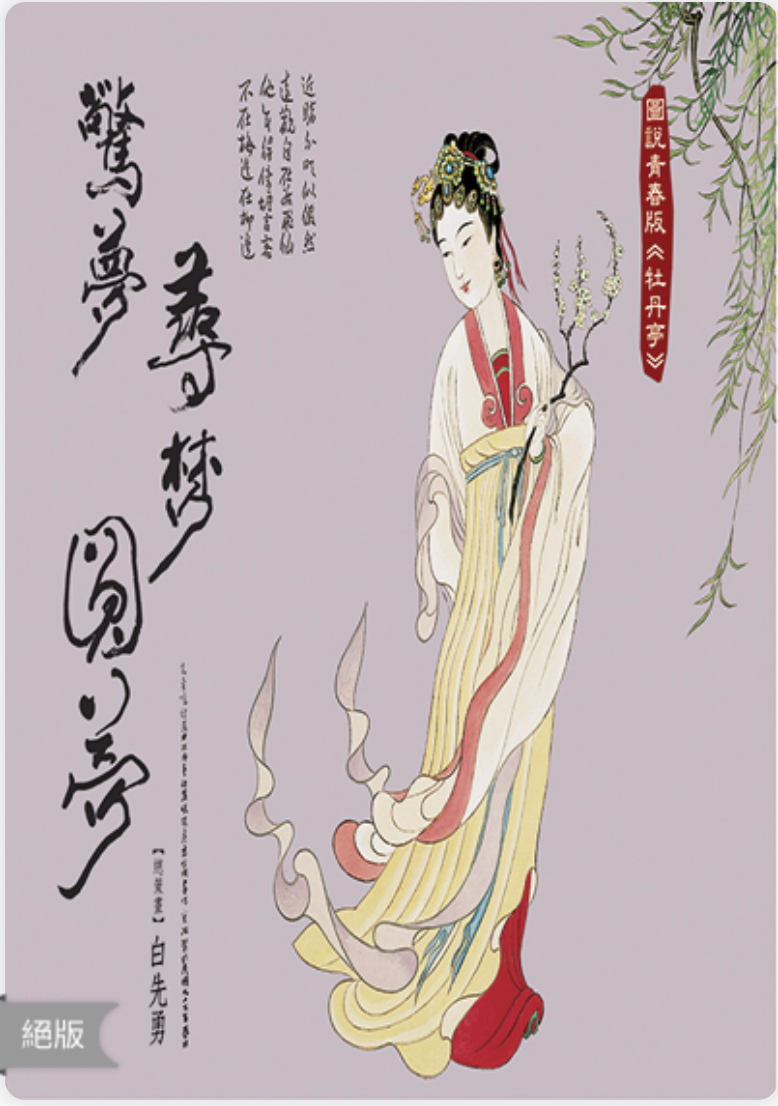
驚梦 寻梦 圆梦:圖說青春版牡丹亭
驚梦 寻梦 圆梦:圖說青春版牡丹亭
2005年11月
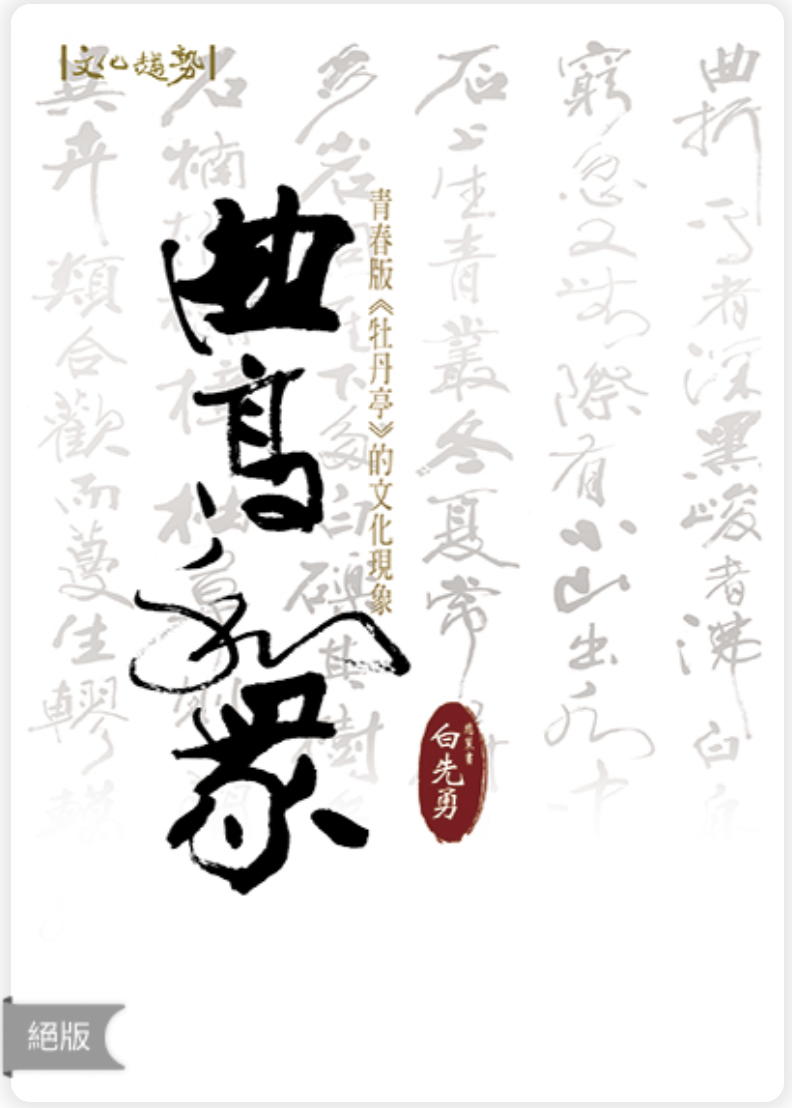
曲高和眾:青春版牡丹亭的文化現象
曲高和眾:青春版牡丹亭的文化現象
2005年11月
青春蝴蝶孤戀花
青春蝴蝶孤戀花
2005年4月
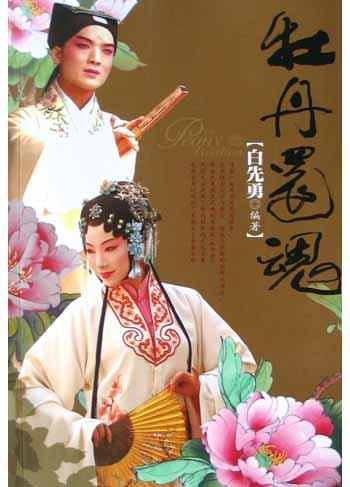
牡丹還魂
牡丹還魂
2004年11月
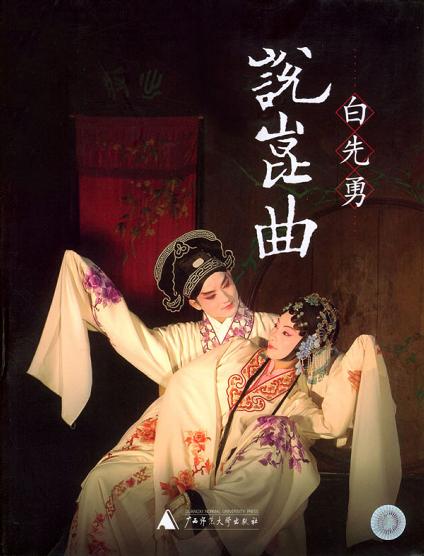
白先勇说昆曲
白先勇说昆曲
2004年6月
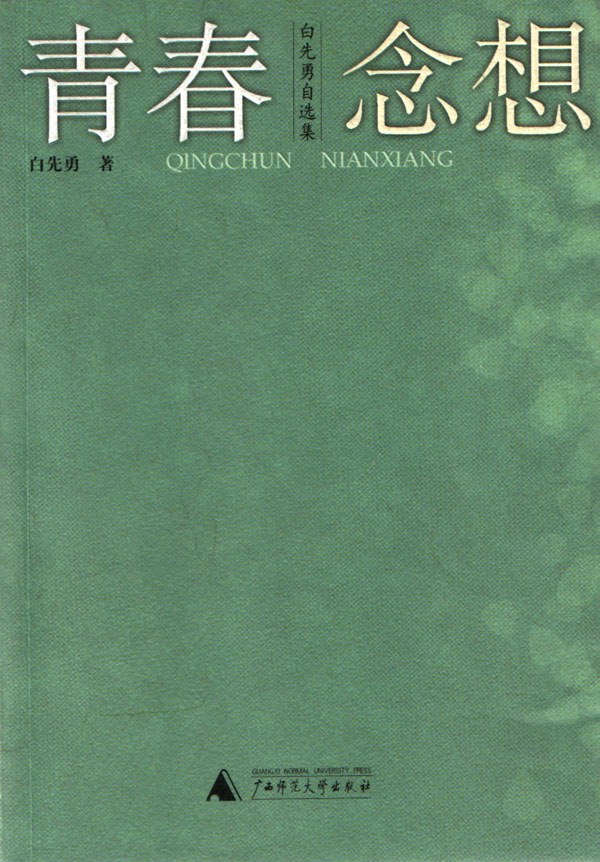
青春,念想——白先勇自选集
青春,念想——白先勇自选集
2004年5月
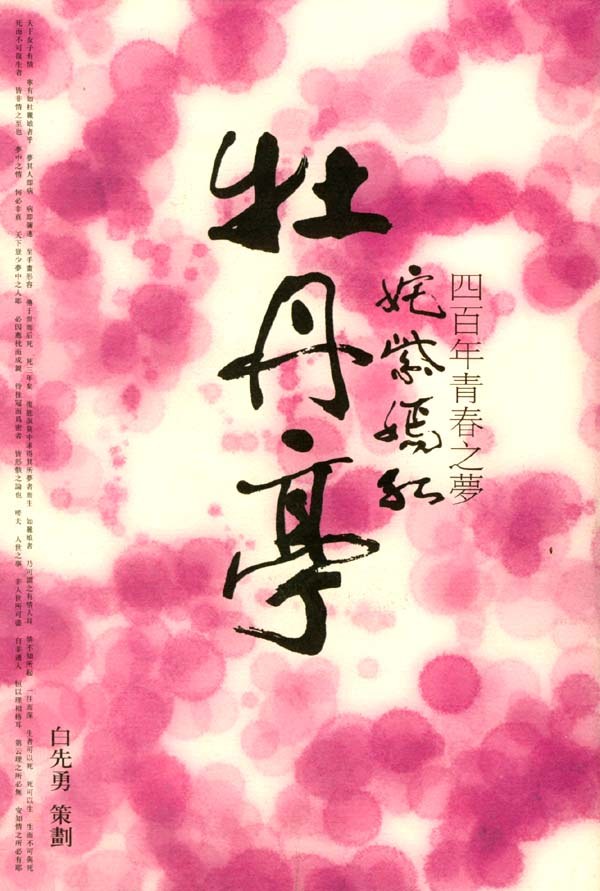
姹紫嫣红《牡丹亭》:四百年青春之梦
姹紫嫣红《牡丹亭》:四百年青春之梦
2004年5月
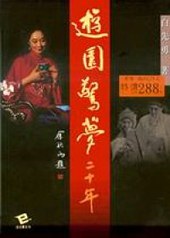
遊園驚夢二十年
遊園驚夢二十年
2001年7月
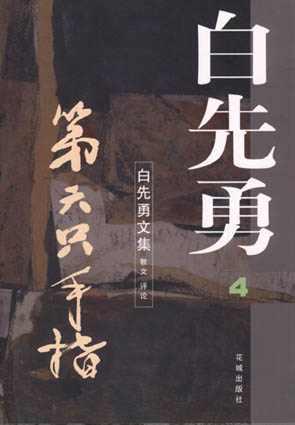
第六只手指
第六只手指
2000年4月
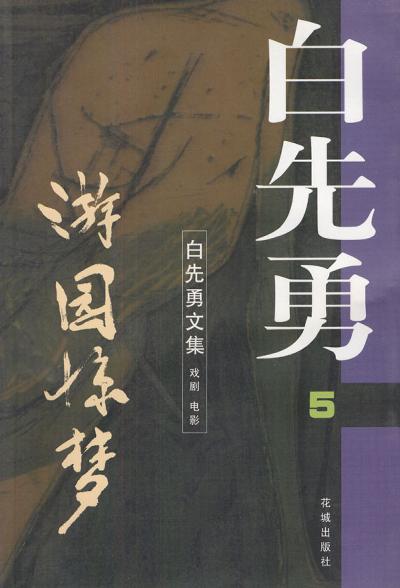
游园惊梦
游园惊梦
2000年4月
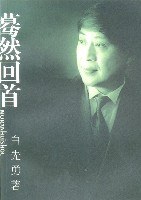
蓦然回首
蓦然回首
1999年10月
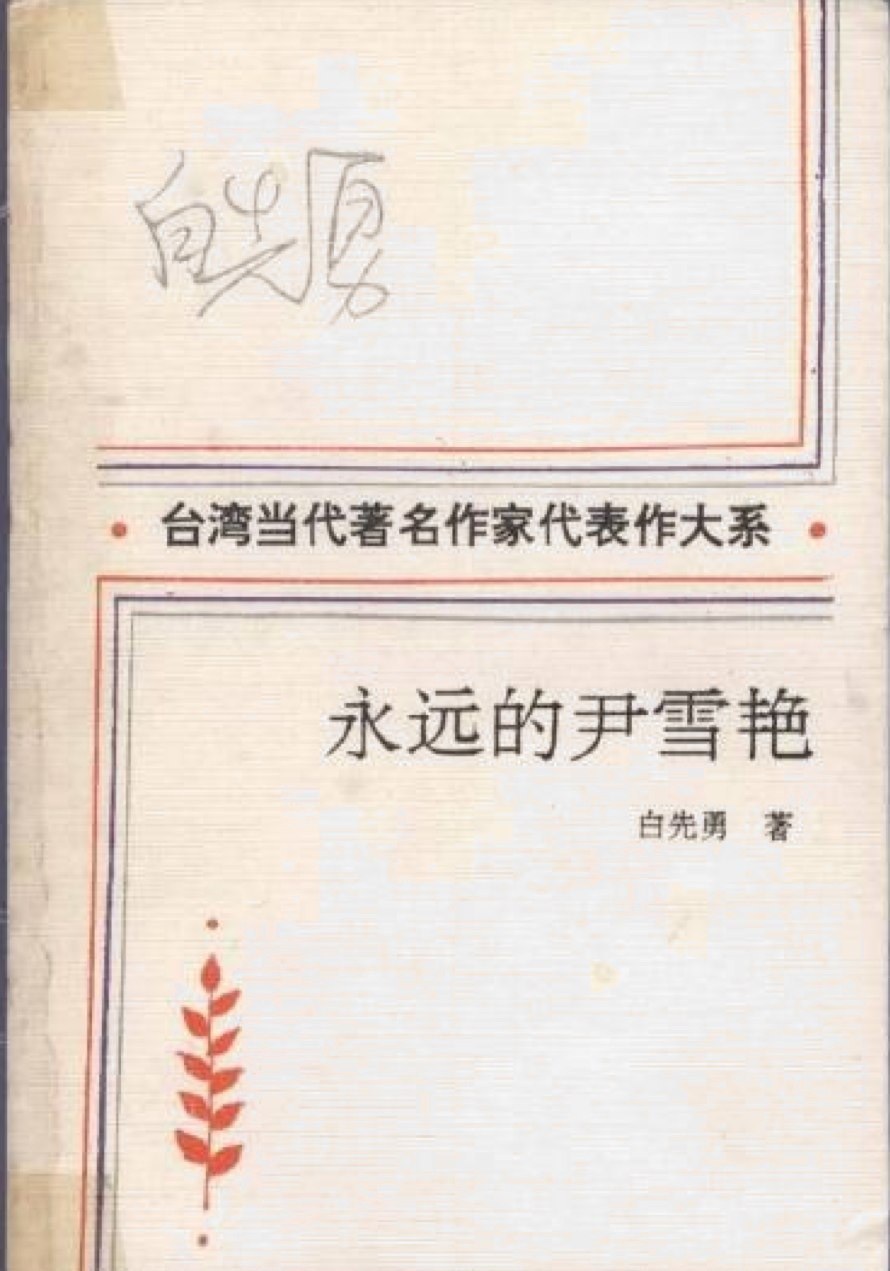
永远的尹雪艳
永远的尹雪艳
1993年10月
謫仙記
謫仙記
1991年1月
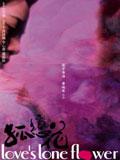
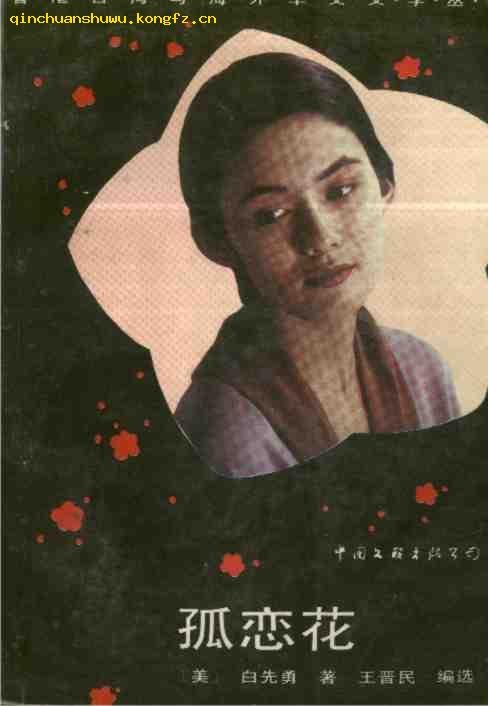
孤恋花
孤恋花
1991年1月
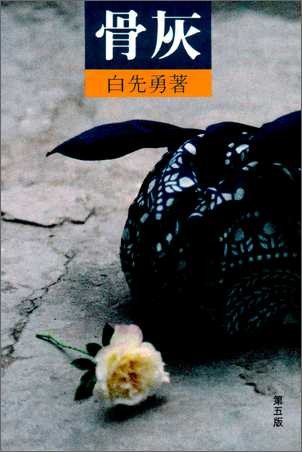
骨灰
骨灰
1987年11月

Subscription information

A Digital Library is an annual subscription. From the day your subscription begins, you can access all content in that scholar’s library for one year.

Each library contains an extensive and growing collection of audio, video, and written material. New items are added regularly, excluding public holidays.

This is a virtual online service. Once access has been activated, the subscription cannot be refunded.

Because of licensing restrictions, Digital Libraries are not included in Vistopia membership listening benefits. Members receive an exclusive subscription price.