
Vistopia
Shen Zhihua
DIGITAL LIBRARY

Shen Zhihua

Digital Library · 200+ items
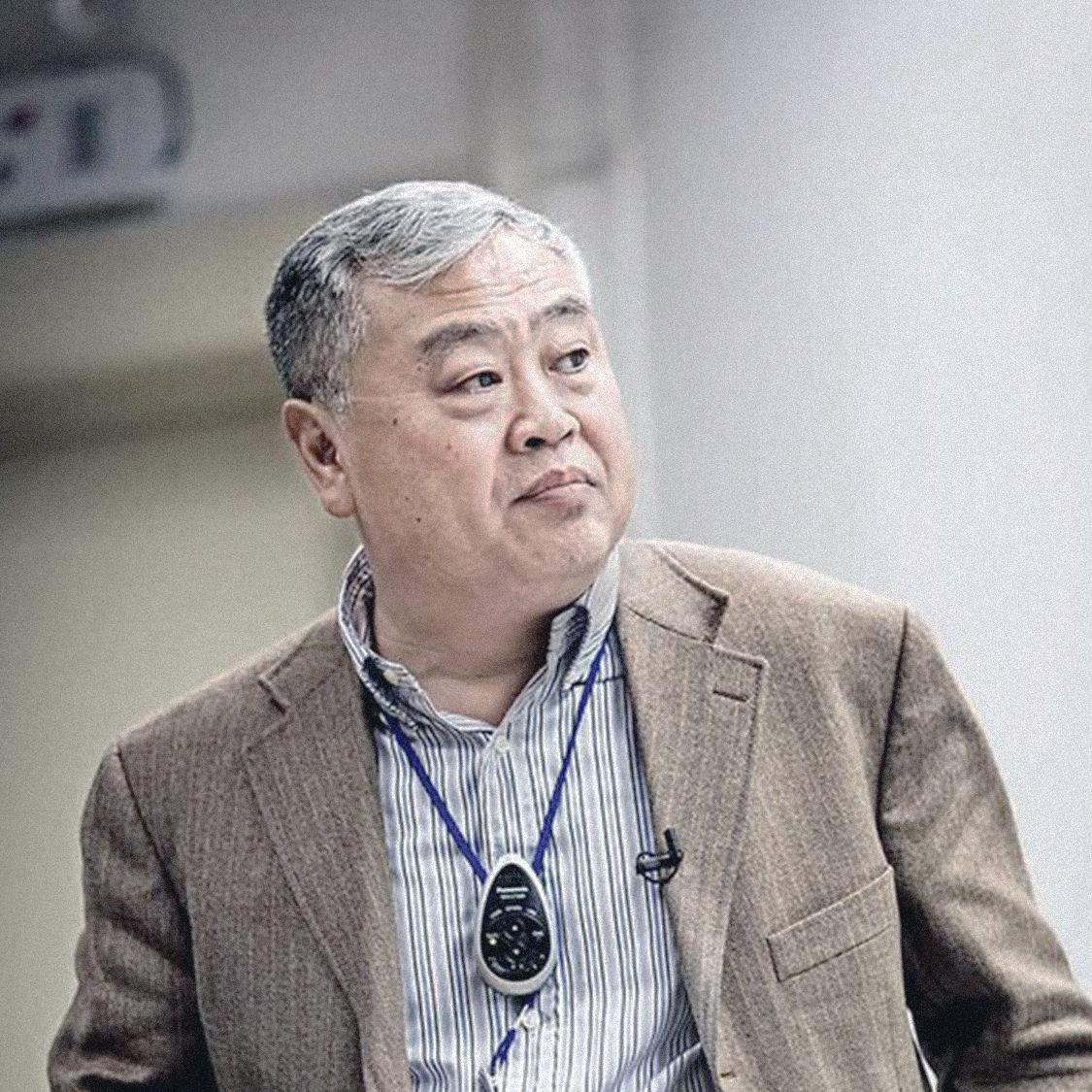
Shen Zhihua was born in 1950. He is a specialist in the history of Sino-Soviet relations and the international history of the Cold War. He is a lifetime professor at East China Normal University and director of its Center for Cold War International History Studies.

About this library

Introduction: Only Historical 'Truth' Can Provide 'Answers' to Present Problems
Limited-time access Introduction: Only Historical 'Truth' Can Provide 'Answers' to Present Problems
History resembles detective work: only attention to detail reveals the truth.
Audio 28:37 9 comments 2025/12/23

To understand how socialist China
arrived at the present,

and uncover the inner history of Sino-Soviet relations and the Korean War,

we need Shen Zhihua.

Shen Zhihua

Shen Zhihua

Born in 1950
Historian of Sino-Soviet relations and the international Cold War

Professor Emeritus and former Director of the Center for Cold War International History at East China Normal University; distinguished researcher at the Si-Mian Institute for Advanced Studies in Humanities; and former visiting professor and research fellow at universities and institutes across Greater China.

1970s–1980s

“The Prisoner”

Twice imprisoned in his youth for speech-related offenses, Shen Zhihua has never received formal redress for either conviction.

1980s–1990s

“The Entrepreneur”

Carried unexpectedly by the tide of reform, he built a business and personal fortune while preparing to return to scholarship.

1990s–present

“The Scholar”

From founding an independent historical research institute and collecting declassified archives worldwide to becoming a leading historian, his scholarship has become an essential reference for Sino-Soviet relations, China–North Korea relations, and the origins of the Cold War.
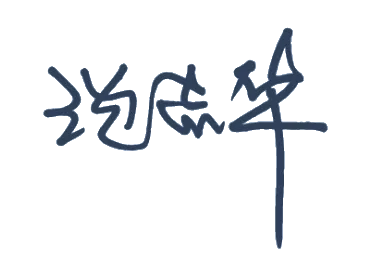
Shen Zhihua signature

Across audio, video, and writing, the archive includes lecture series, public talks, private seminars, scholarly articles, and more.

Vistopia has newly edited and produced a large body of exclusive and first-hand material.

Previously scattered and often unpublished sources are organized here for the first time as a coherent collection.

Together they present Shen Zhihua’s scholarly life across several decades.

Four areas and more than 200 items, including—

Three new items each week, excluding public holidays

30+ items

“The Origins of the Cold War in East and West”

Explore the complex causes of the Cold War in Europe and Asia and the forces that reshaped the world order.

100+ items

“Alliance, Split, and Confrontation Between China and the Soviet Union”

Understand how the Soviet Union influenced China’s political and social development during the War of Resistance, the civil war, and the early years of the PRC.

40+ items

“China–North Korea Relations in the Context of the State”

Trace the Korean War from intervention to negotiation and assess the global consequences of this hot war within the Cold War.

30+ items

“How to Conduct Historical Research”

Examine the value of archives and encounter a historian’s persistent search for truth.

More

Chronology and Bibliography

An authoritative chronology and bibliography for readers who wish to explore further.
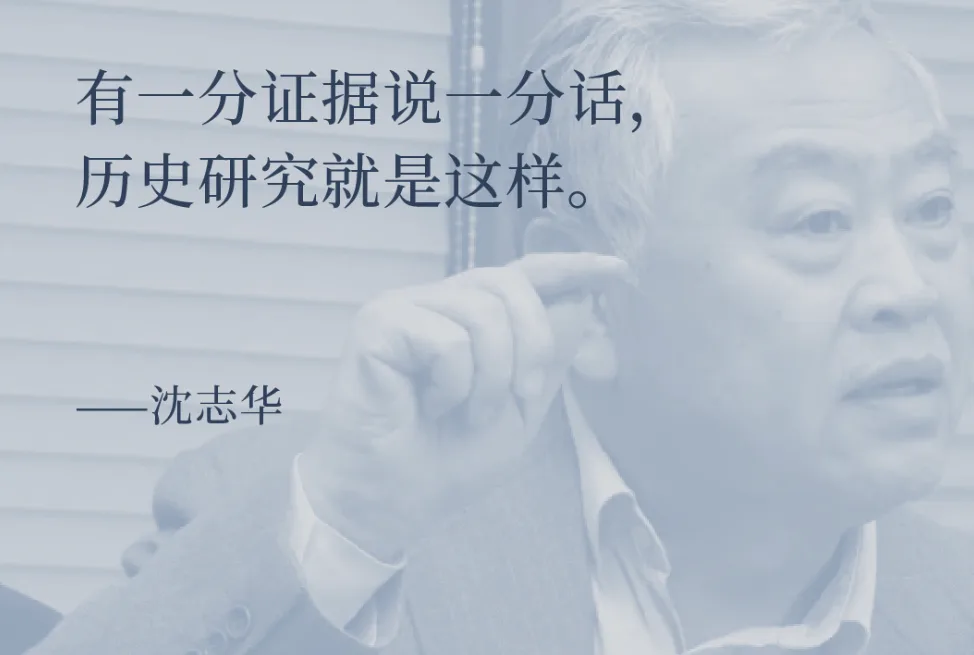
Say only as much as the evidence allows. That is what historical research requires. — Shen Zhihua

Subscription benefits

Digital collector’s ticket

After subscribing to Shen Zhihua’s Digital Library, find your collector’s ticket in Vistopia App · Me · Achievements.
Shen Zhihua collector’s ticket

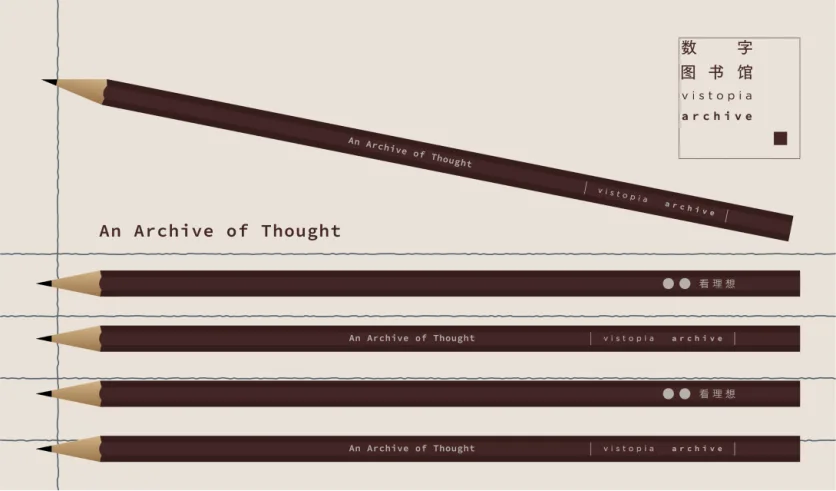
Commemorative pencil set

Set of 10
Commemorative pencil set

*Exclusive gift for the first 1,000 subscriptions*

Chronology

Shen Zhihua: Scholarly Chronology

50 years · 50 scholarly experiences and publications
1950

  • Born in April in Beijing to a family of state employees; his father worked in public security and his mother in education.

1957

  • Entered Xiangshan Charity School, later renamed Lixin School and now the Haidian branch of Beijing Experimental School.

1963

  • Entered Beijing No. 4 High School. The Cultural Revolution suspended classes and delayed his graduation.

1973

  • Was recommended for the worker-peasant-soldier college entrance examination and ranked first in all four subjects within Beijing’s electric-power system. Tsinghua University admitted him, but the results were annulled after the examination was condemned as a return to the “bourgeois educational line.”

1974

  • Transferred from the workshop to the publicity department at Shijingshan Power Plant and, at the plant Party committee’s request, taught a theoretical course for middle-ranking cadres.

1976

  • Was secretly arrested by the Beijing Public Security Bureau in March for allegedly spreading a major political rumor. Released after the Tangshan earthquake in August and sent to the Tangshan Power Plant for earthquake-relief work.

1977

  • After formal rehabilitation by the Beijing Public Security Bureau in December, transferred to the political department of the Beijing Electric Power Administration and helped found Beijing Electric Power News, later China Electric Power News.

1978

  • Passed written and oral examinations to join the Institute of World History at the Chinese Academy of Social Sciences, initially proofreading the journal World History.
1979

  • Published his first scholarly article, “The Scientific Concept of Socialist Society and Other Questions,” which was reprinted by several journals. Entered the CASS Graduate School for a master’s degree in modern world and Soviet history under Qi Shirong.

1981

  • Attended the national conference on modern world history in Leshan and lectured at Shanghai Teachers College. During graduate study, published six papers on historical methodology, Lenin’s New Economic Policy, and Soviet rural land relations.

1982

  • Two weeks before defending his thesis, was convicted of “leaking major state secrets,” sentenced to two years in prison, and expelled from his post and student status.

1984

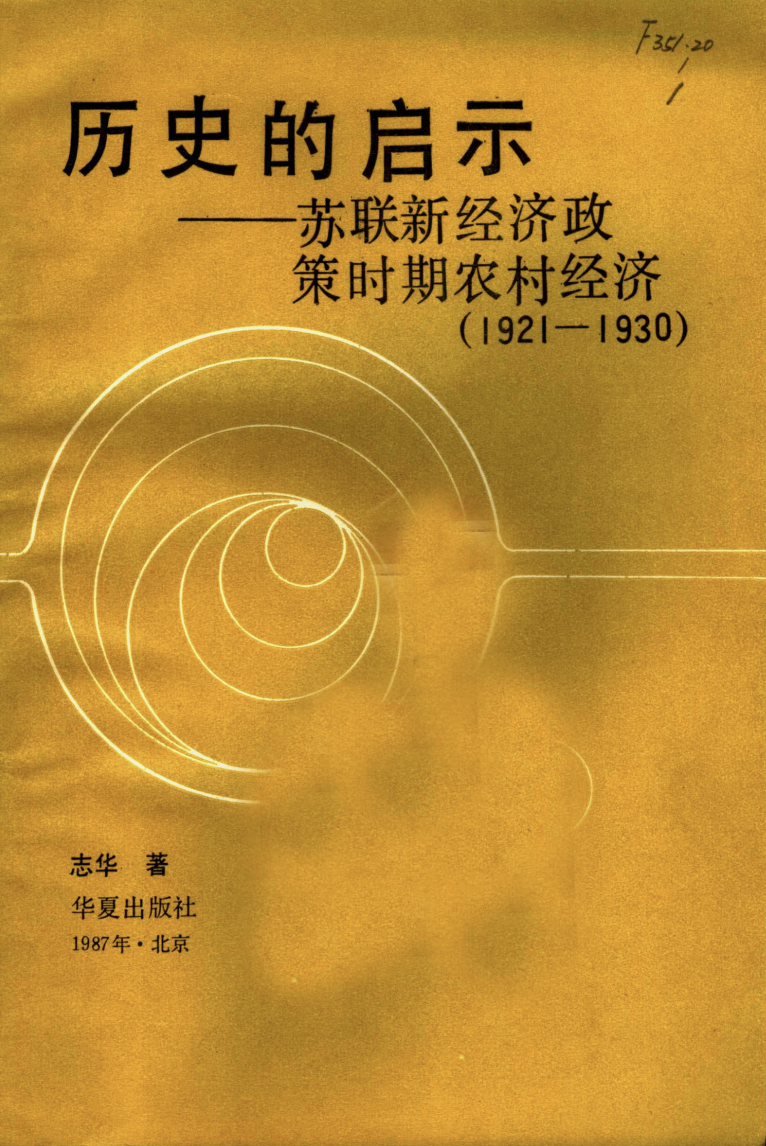
  • Released in May. In prison he had completed the 400,000-character manuscript Historical Lessons: The Soviet Rural Economy during the New Economic Policy, 1921–1930. After release, went into business in southern China.

1986

  • Published a study on how to delimit the period of the Soviet New Economic Policy.

1987

  • Published “The New Economic Policy and Soviet Russia’s Transition to Socialism.” Resigned as assistant general manager of a joint venture in November and returned to Beijing to review manuscripts for the Twentieth-Century Library series, completing final reviews of sixty-two translations.

1988

  • Huaxia Publishing House issued Historical Lessons: The Rural Economy during the Soviet New Economic Policy, 1921–1930, under the name “Zhihua.” Eye disease later forced him to stop editorial work, and he returned to business in the south.

1991

  • Returned to Beijing and founded the Huaxia Institute of Cultural Studies, organizing modern-language translations and multivolume editions of the Comprehensive Mirror for Aid in Government and its Continuation.
1992

  • With CASS approval, established the Center for Oriental Historical Studies under the Chinese Historical Association and resumed scholarly research.

1993

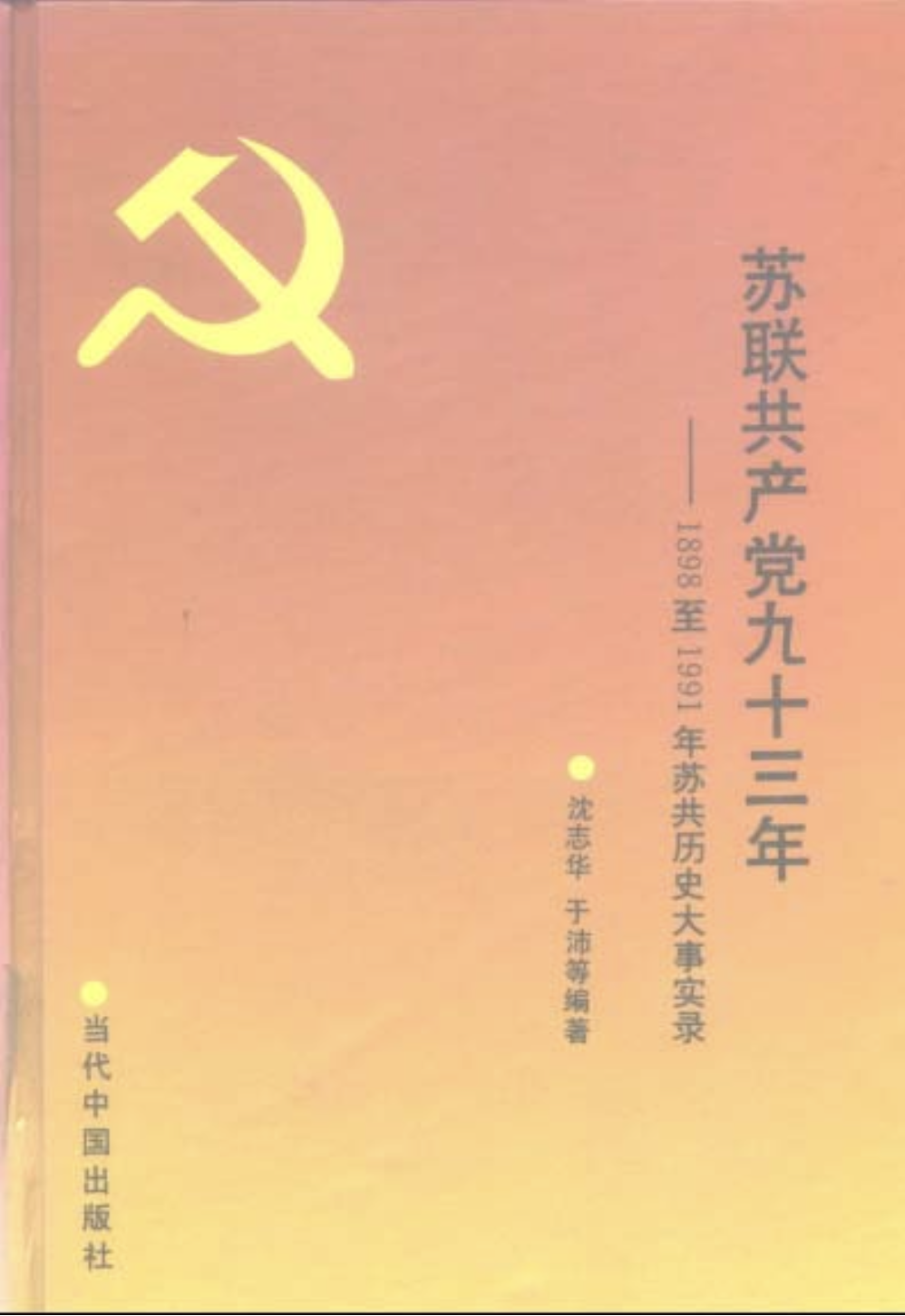
  • Organized and published Ninety-Three Years of the Communist Party of the Soviet Union, 1898–1991. Presented research on the Soviet intervention in Northeast China at a Sino-Soviet relations conference. Founded the privately financed Oriental Historical Research Publication Fund, which eventually supported more than one hundred monographs by younger historians and numerous conferences.
1994

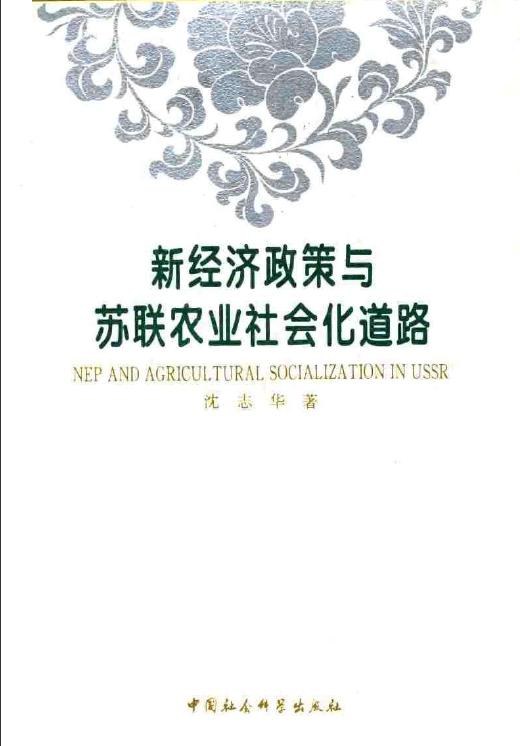
  • Supported conferences on twentieth-century history, the fiftieth anniversary of victory in the War of Resistance, Soviet and East European history, and the lessons of the Soviet collapse. Published The New Economic Policy and the Soviet Path to Agricultural Socialization and two research articles.

1995

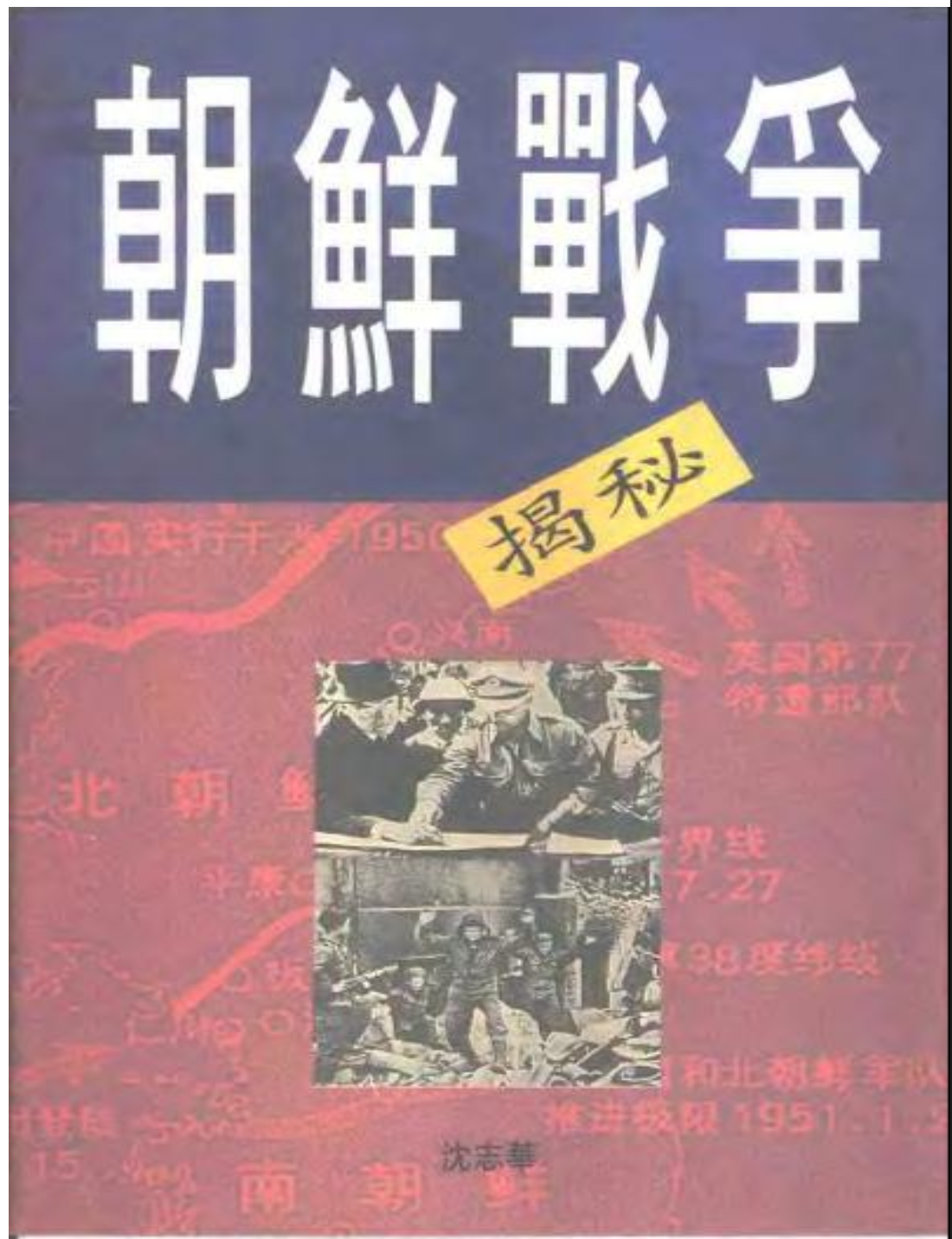
  • Established the CASS Soviet Historical Archives project to collect, translate, edit, and publish newly declassified Russian records; he raised all funding and made repeated archival trips to Russia and the United States. Organized or supported conferences on Russia, socialism, Africa, postwar Sino-Soviet relations, World War II, and Eastern societies. Attended the 18th International Congress of Historical Sciences in Montreal. Published Uncovering the Korean War and three articles.

1996

  • Presented “The Decision-Making Process behind China’s Entry into the Korean War” at the Wilson Center’s Cold War in Asia conference. Organized and supported several historical conferences, spoke at the University of Maryland, co-edited internal Korean War research materials, and published seven articles.

1997

  • Was elected a council member of the Chinese Historical Association. Co-organized the international conference Cold War and Sino-Soviet Relations in Beijing and a Shanghai symposium on the October Revolution. Published three research articles and three groups of Russian archival documents.

1998

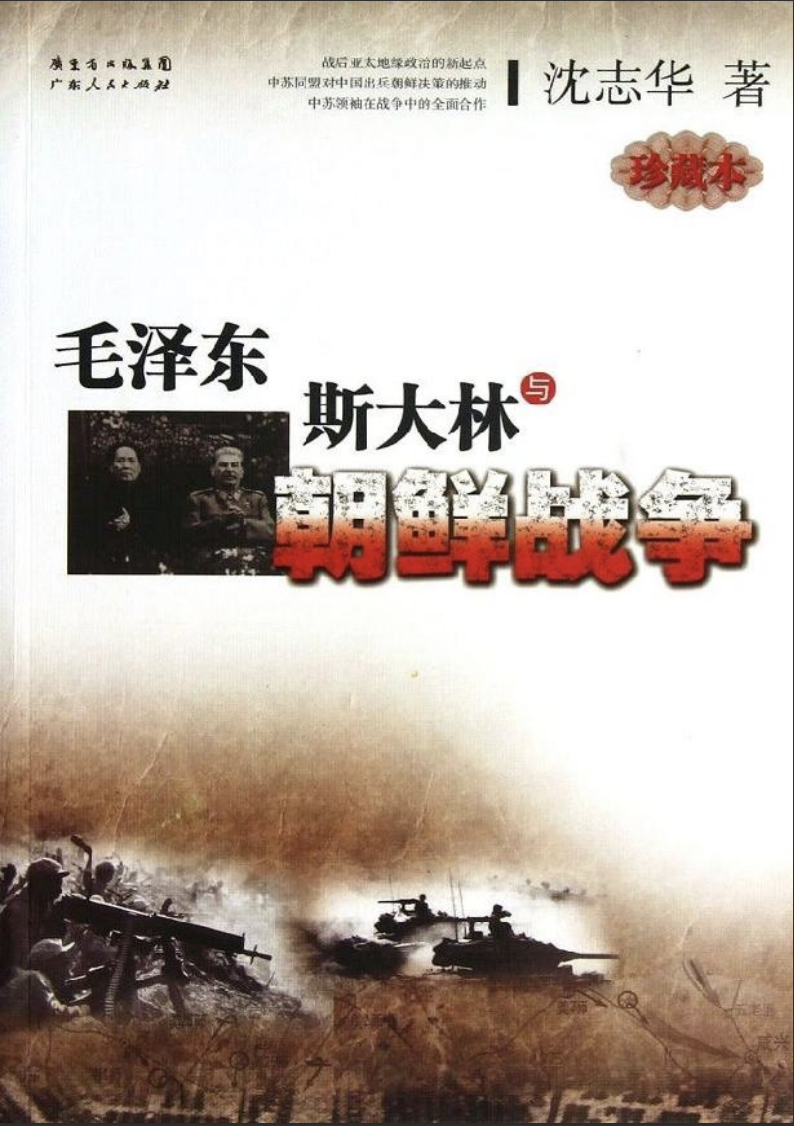
  • Became a part-time research fellow at Peking University, taught the history of Sino-Soviet relations, and founded a modern historical-sources center. Was a visiting scholar and senior fellow at the Wilson Center. Organized conferences on the Cold War, globalization, and nationalism; published Mao, Stalin, and the Korean War in Hong Kong, three articles, and four documentary collections.

1999

  • Organized conferences on the Cold War’s origins and on China and the world during the Cold War. Published Sino-Soviet Alliance and Korean War Studies, three articles, and three groups of Russian records on treaty negotiations and related subjects.

2000

  • Became a part-time professor at Renmin University and an honorary research fellow at the Chinese University of Hong Kong. Organized international meetings on the Cold War, Chinese diplomacy, and Korea. Published The Economic Background of the Sino-Soviet Alliance, 1948–1953, and seven articles.

2001

  • Became a part-time fellow at CASS’s Institute of Asia-Pacific Studies, joined a Sino-American historians’ dialogue at the University of Montana, and published five articles and three archival-document groups.

2002

  • Organized an international conference on the Cold War and China’s neighboring relations, visited the Chinese University of Hong Kong, and presented on new Cold War history and archival methods. Edited the thirty-four-volume Selected Soviet Historical Archives, published Stalin and Tito, and issued eleven articles and two documentary groups.

2003

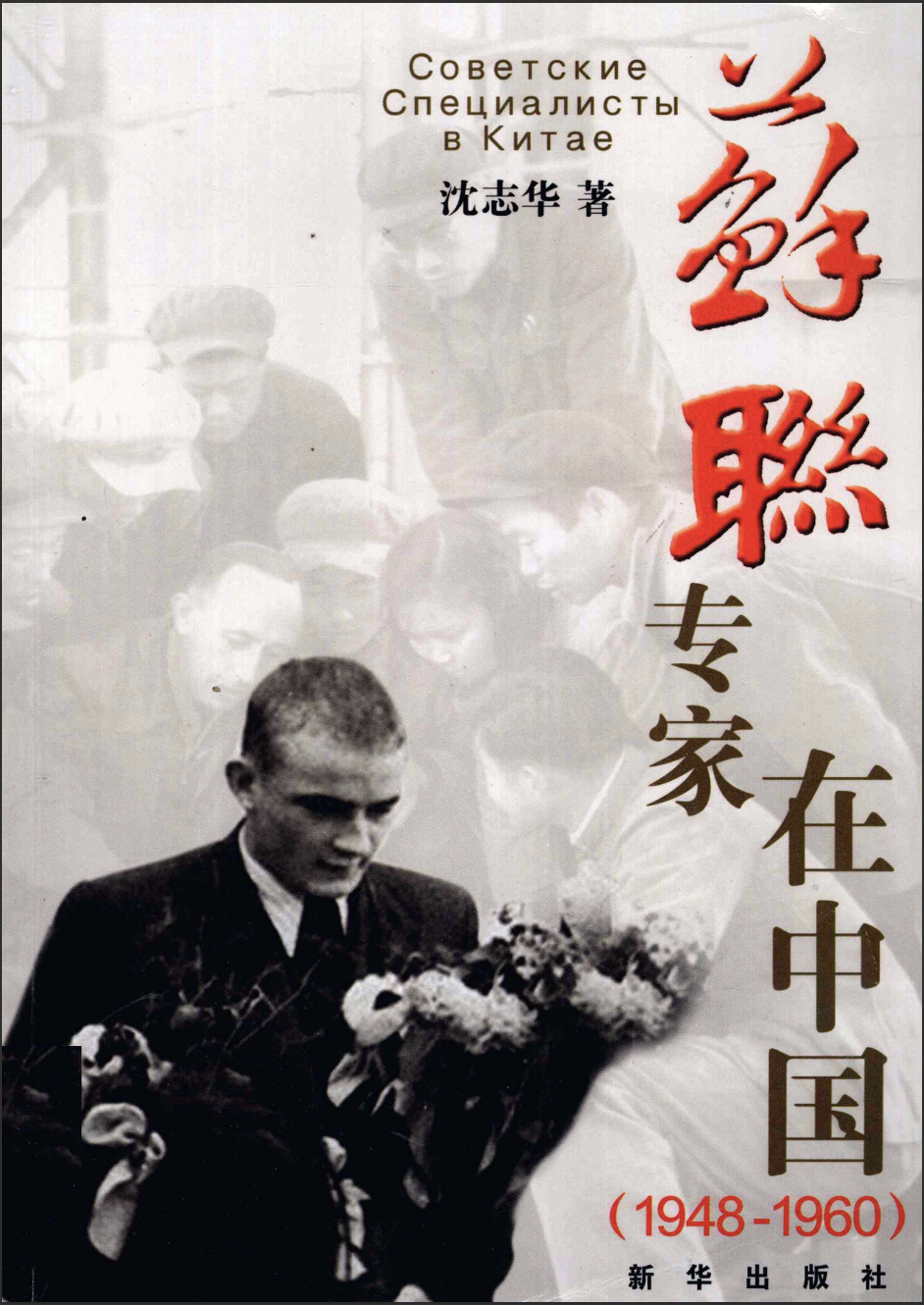
  • Was a visiting scholar at the University of Hong Kong and Academia Sinica. Joined international meetings on China–Eastern Europe relations and the Korean War. Published Soviet Experts in China, 1948–1960 and the three-volume Korean War: Declassified Documents from Russian Archives, along with six articles and three documentary collections.

2004

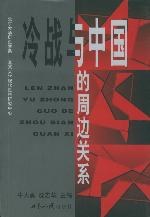
  • Led Chinese scholars to a US National Intelligence Council expert meeting on CIA assessments of China, met Japanese Cold War historians, and taught Sino-Soviet relations at East China Normal University. Edited The Cold War and China’s Neighboring Relations and published eight articles and four documentary collections.

2005

  • Joined East China Normal University as professor of history and director of its Center for Cold War International History Studies. Conducted research in Japan, Poland, and Hungary and organized lectures in Hong Kong. Edited Soviet–East European Relations during the Cold War, published eight articles, and began major projects on the history of Sino-Soviet relations, the Cold War alliance, and US foreign policy.

2006

  • Co-organized conferences with Hosei University, Northeast Normal University, Cornell, and the Wilson Center, including the first International Cold War History Doctoral Forum. Published Studies of Postwar Sino-Soviet Relations and an eightieth-birthday festschrift for Qi Shirong, issued six articles, and led major research projects on Soviet history and US diplomacy.

2007

  • Lectured at Japanese universities and organized workshops on US foreign-policy archives and relations inside the socialist bloc. Edited An Outline History of Sino-Soviet Relations, 1917–1991, which later won major Shanghai and Ministry of Education awards, and New Reviews in Historiography. Published thirteen articles and led a project on declassified US intelligence assessments of China.

2008

  • Lectured on Sino-Soviet relations and Cold War history in Taiwan and co-organized a Shanghai conference on Sino-Japanese relations in global perspective. Published Reflection and Choice: From the Intellectuals’ Conference to the Anti-Rightist Movement, issued eight articles, and completed a project on Russian archival material concerning Xinjiang.

2009

  • Organized major conferences on Cold War Sino-Soviet relations, North Korean archives, US–China doctoral training, Chinese Cold War historiography, and Kinmen. Lectured at Harvard, Washington, and in Taiwan. Edited the eight-volume Declassified US Intelligence Files on China and the three-volume Rise and Fall of a Great Power, among other works; published twelve articles and began projects on Sino-Soviet and Sino-North Korean history.

2010

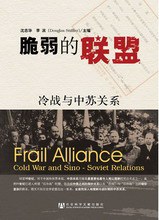
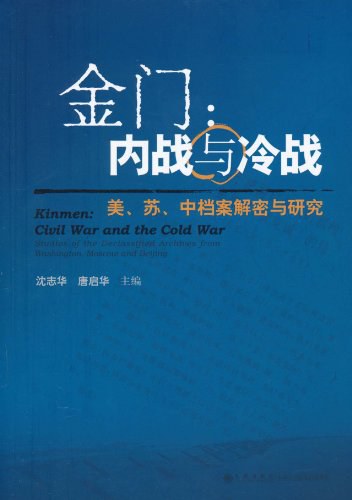
  • Co-organized conferences with Waseda, Seoul National University, the Wilson Center, and Cornell; lectured in Canada and spent a semester as visiting professor at HKUST. Visited institutions in Hungary, Romania, Bulgaria, and Serbia. Edited Kinmen: Civil War and Cold War and Fragile Alliance, published a Korean Mao, Stalin, and the Korean War, and issued eight articles.

2011

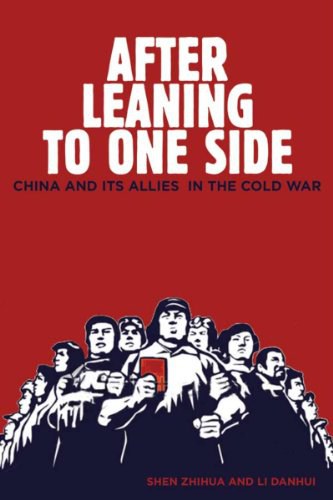
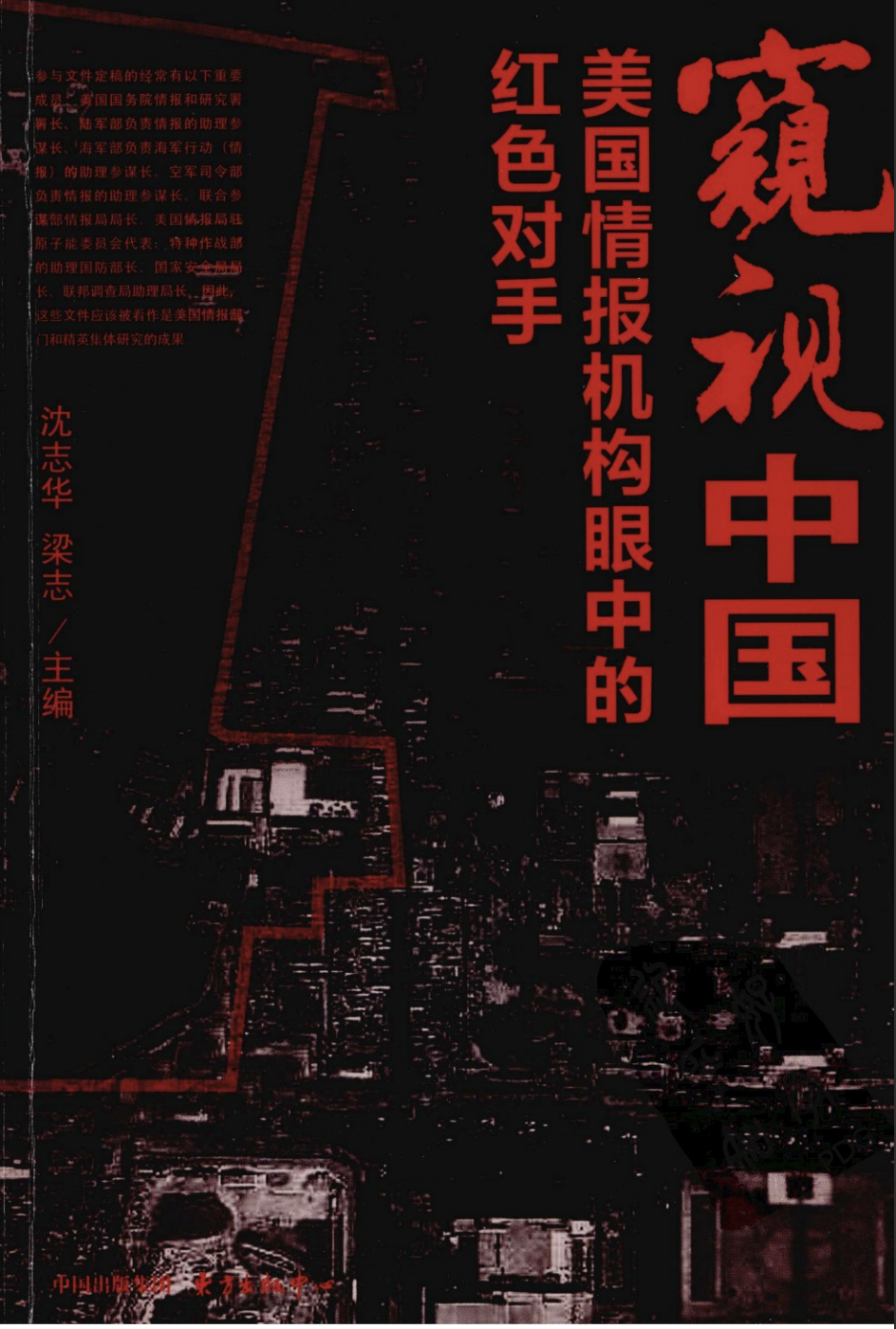
  • Inaugurated the ECNU–Wilson Center Cold War Research Workshop in Washington. Organized a conference on the Korean Peninsula, joined meetings in Hong Kong and Canada, and co-authored After Leaning to One Side: China and Its Allies in the Cold War with Li Danhui for Stanford University Press. Edited Peering into China, published nine articles, and led archival projects on Sino-Soviet and China–Eastern Europe relations.

2012

  • Participated in international conferences and archival research in Vienna, France, Japan, Italy, Germany, Korea, Berkeley, Taiwan, and Shanghai. Organized meetings on Asian Cold War history, East European archives, and China’s neighboring relations. An English Mao, Stalin, and the Korean War appeared; he published eight articles and led the national project Collecting and Organizing East European Archives from the Cold War.

2013

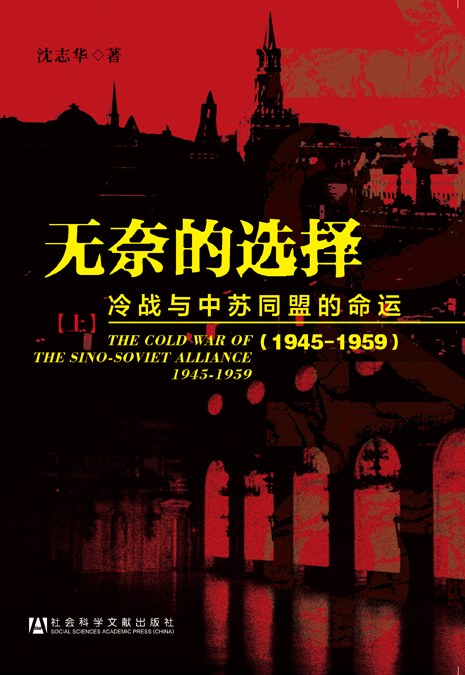
  • Taught Sino-Soviet history at Tunghai University in Taiwan. Founded and chaired the Oriental Historical Research Foundation to support archives, oral history, research, publication, and exchange. Organized large postdoctoral and international forums on China and its neighbors. Edited five Cold War volumes, US Foreign Policy Case Studies, and Russian Declassified Archives: Xinjiang; published No Choice: The Cold War and the Fate of the Sino-Soviet Alliance and China at the Crossroads, 1956–1957.

2014

  • Joined conferences in Venice and Washington. ECNU and the Oriental Historical Research Foundation established a contemporary-documentation center for a multilingual international archive database. Organized a Xinjiang meeting on China’s northwest and neighboring countries. A revised Korean Mao, Stalin, and the Korean War appeared; he published nine articles.

2015

  • Was a visiting scholar at Yonsei University and taught “The Cold War and Northeast Asia.” Joined or organized conferences in Canberra, Macau, Russia, Leipzig, Northeast China, Taiwan, Washington, and Shanghai; interviewed Mikhail Gorbachev in Moscow. Edited the twelve-volume Russian Declassified Archives: Sino-Soviet Relations, 1945–1991, published collected lectures and a Russian Soviet Experts in China, and issued twelve articles. Began a national archival project on China’s relations with neighboring countries.

2016

  • Conducted fieldwork, oral interviews, and archival research in Nepal and met its president. Became dean of ECNU’s Institute of Neighboring Countries. Lectured and researched in Japan and joined a Cardiff conference. A Japanese The Last “Celestial Empire”: Mao Zedong, Kim Il Sung, and Sino-North Korean Relations, 1945–1976 won the Masayoshi Ohira Memorial special prize and later the Asia-Pacific grand prize. Published ten articles.

2017

  • Spoke in Japan on the North Korean nuclear crisis; pursued archival work in Moscow, Malaysia, and the Russian Far East. Traditional-Chinese and Korean editions of The Last “Celestial Empire” appeared. Published six articles and a documentary collection, and led the second phase of the national neighboring-country archives project.

2018

  • Conducted archival research and academic exchange in Vietnam, co-organized a Shanghai seminar on the “Trump phenomenon,” and gave more than ten talks during a US academic tour. Co-authored A Misunderstood Friendship: Mao Zedong, Kim Il-sung, and Sino-North Korean Relations, 1949–1976 with Xia Yafeng. Edited Twenty-Four Lectures on Cold War International History and published four articles.

2019

  • Convened a workshop on the history of reform and opening and visited the Wilson Center, Yale, and Harvard with fellow historians. Edited the nine-volume Catalogue of Archives on Social-System Transformation in Eastern Europe and Cold War Revelations, published five articles, and led the third phase of the neighboring-country archives project.

2020

  • Co-organized a conference reviewing Cold War international-history research in China. Became chair of the academic committee of the new Institute for the History and Documentation of Socialism. An English Outline History of Sino-Soviet Relations appeared; he published two articles.

2021

  • Led a joint workshop with Tsinghua University’s Institute for International and Area Studies and established a long-term partnership. Secured support for the Institute for the History and Documentation of Socialism, edited a sourcebook for Cold War international history, and published articles, interviews, and lectures.

2022

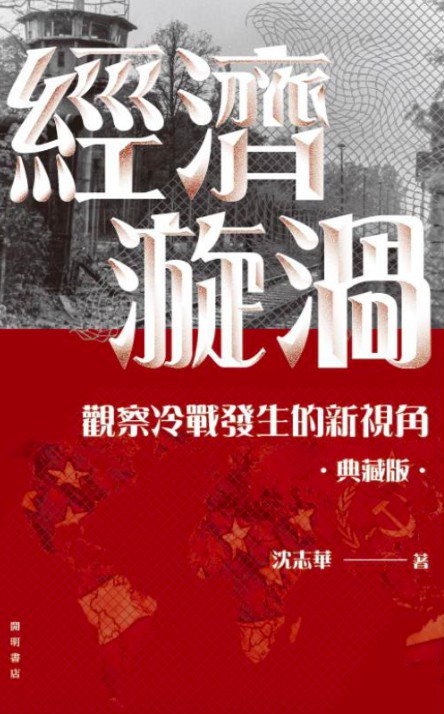
  • Led ten public lectures on China and neighboring countries. Published The Economic Whirlpool: A New Perspective on the Origins of the Cold War and five articles, including a study of the Krowe case and the early US–Soviet technological Cold War.

2023

  • Co-organized a conference on Cold War legacies, joined forums on Russian history, Sino-Mongolian relations, and the Korean War armistice, and advanced ECNU–Tsinghua cooperation in area studies. A Korean Cold War in Asia appeared. Published five articles and became principal investigator of a six-part national project on cross-border ethnic mobility along China’s frontiers.

2024

  • Launched the frontier-mobility subprojects and a Brief Histories of Neighboring Countries series. Delivered the Chen Kewen Lectures at the Chinese University of Hong Kong and co-organized forums on Korea and the global Cold War with Tsinghua, NYU Shanghai, and Seoul National University. Lectured in the United States and led China–US dialogue on Korea. Published or edited new Chinese, American, Japanese, and Korean editions and six articles.

2025

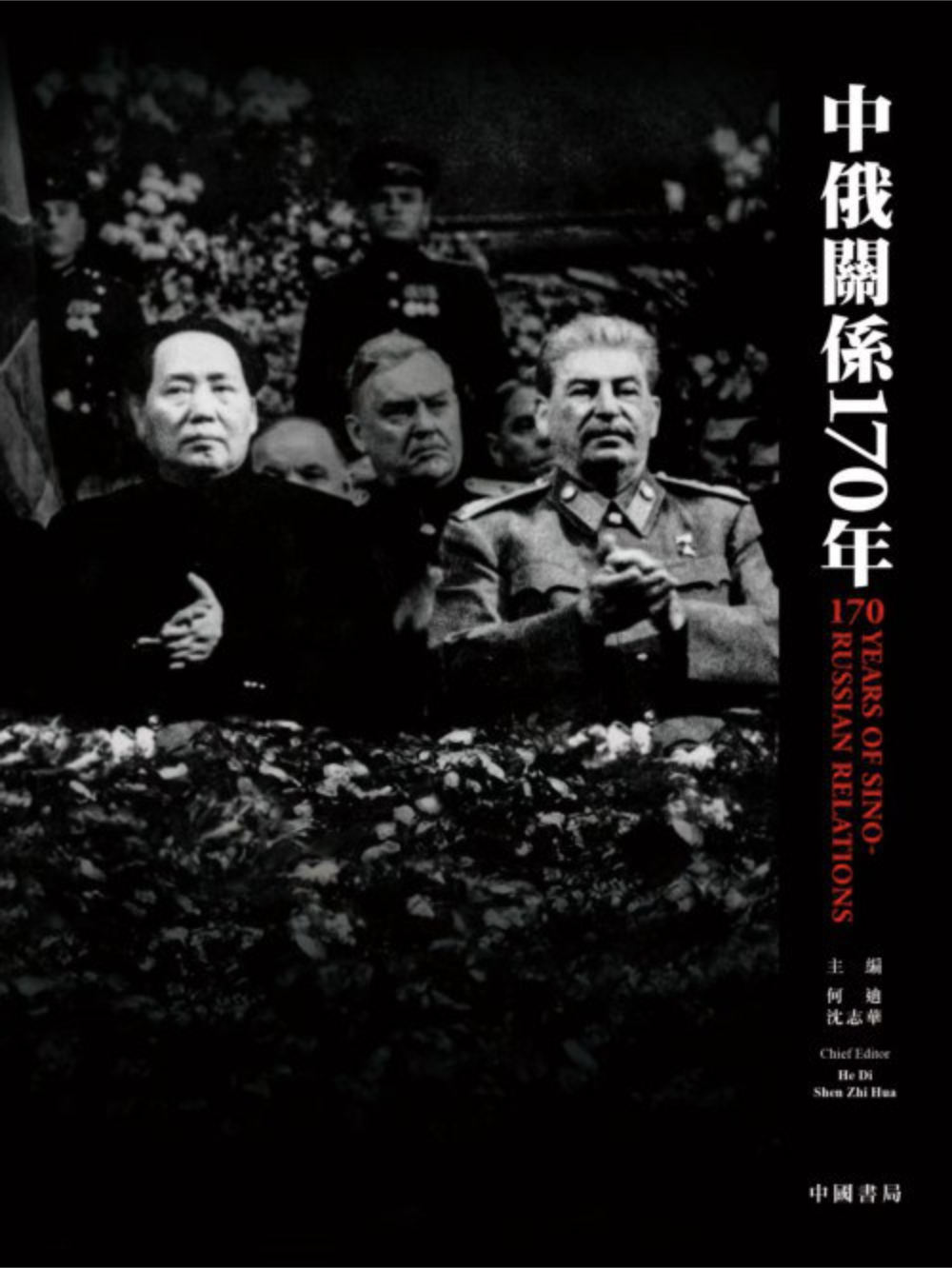
  • Led China–Russia and cross-strait dialogues on Korean Peninsula and Cold War history, became academic adviser to ECNU’s Institute of Area Studies, and conducted research in Hungary, Estonia, Korea, and Taiwan. Became director of ECNU’s Center for China–South Korea Relations. Published 170 Years of China–Russia Relations and A Brief History of the Cold War and five articles. The Shen Zhihua Digital Library went online in December.

Featured comments

Portrait of Rebecca
Rebecca Membership

基于大量解密档案的历史,让我看到一个充满偶然性和博弈张力,经济和利益推动的历史。

Audio 10. 和平能持续多久?“中苏同盟条约”的谈判过程
Portrait of 静
Membership

历史更加生动,因生动而丰富,因丰富而非简单的条条框框。

Audio 10. 和平能持续多久?“中苏同盟条约”的谈判过程

Bibliography

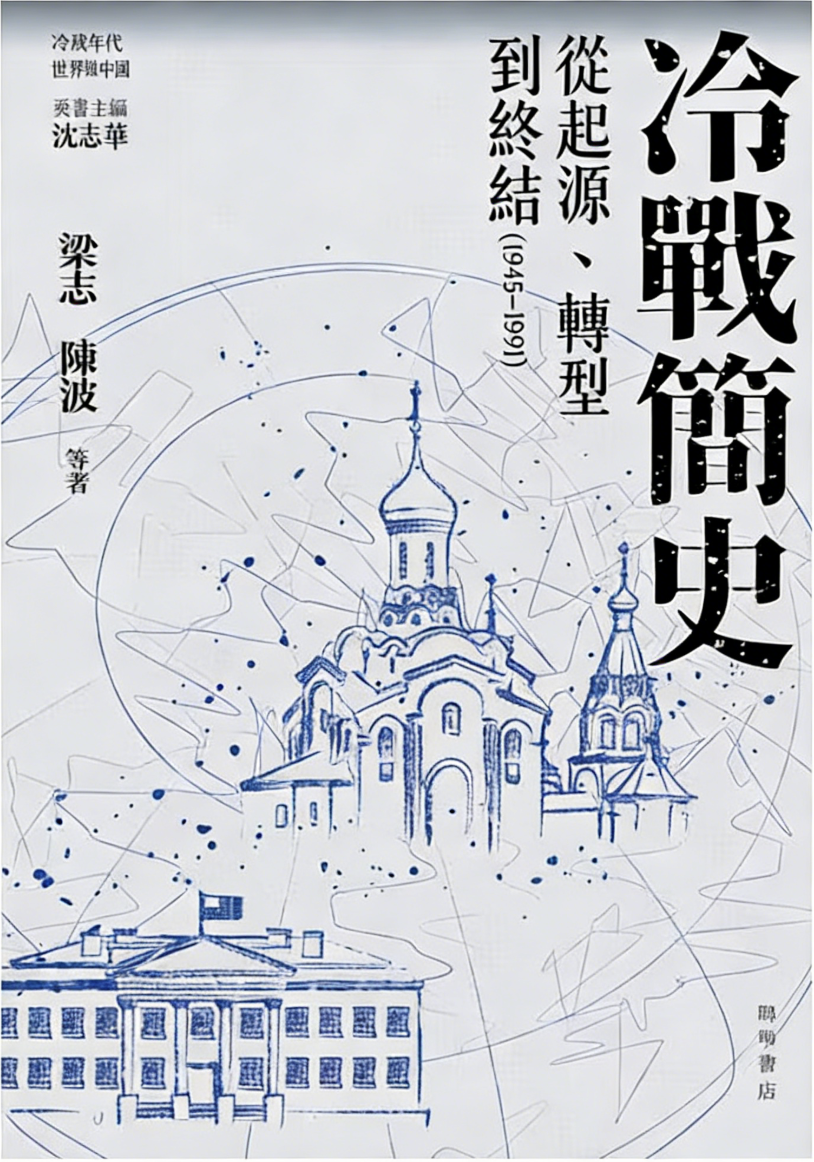
冷戰簡史:從起源、轉型到終結(1945-1991)
2025年11月
中俄關係170年
中俄關係170年
2025年7月
經濟漩渦:觀察冷戰發生的新視角
經濟漩渦:觀察冷戰發生的新視角
2022年6月
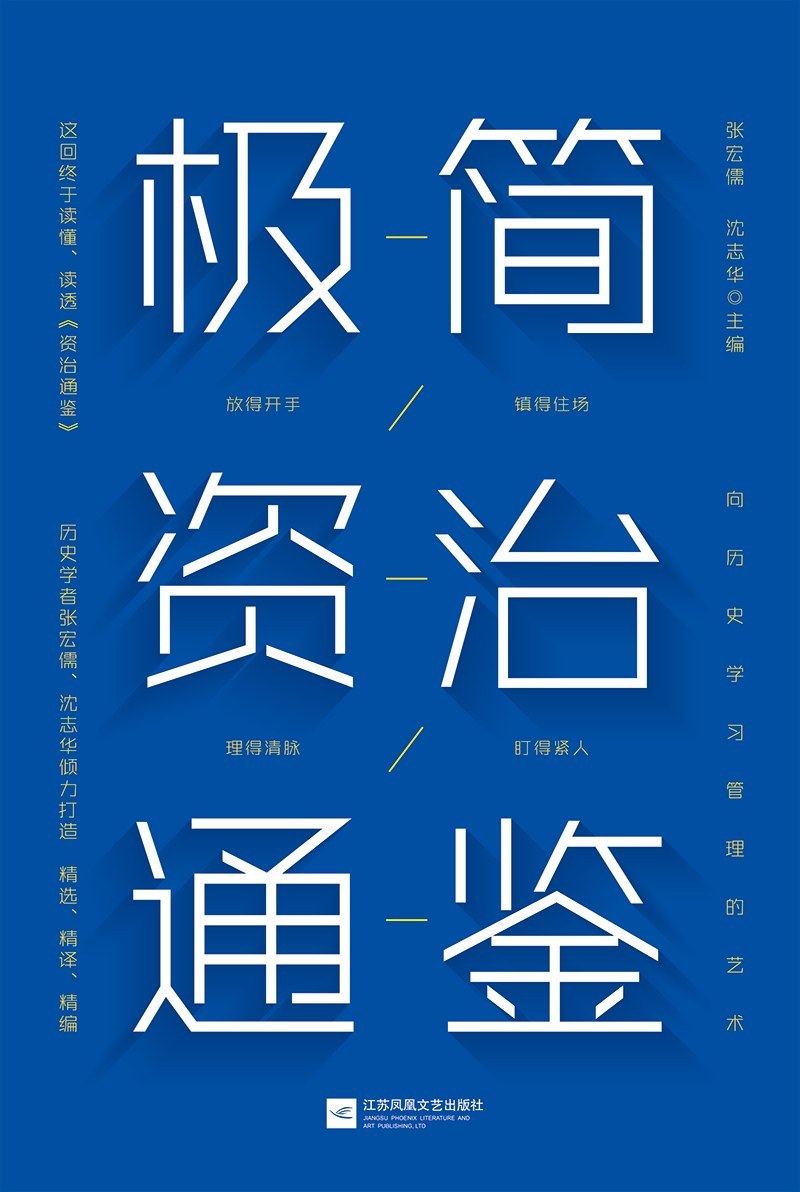
极简资治通鉴
极简资治通鉴
2020年6月
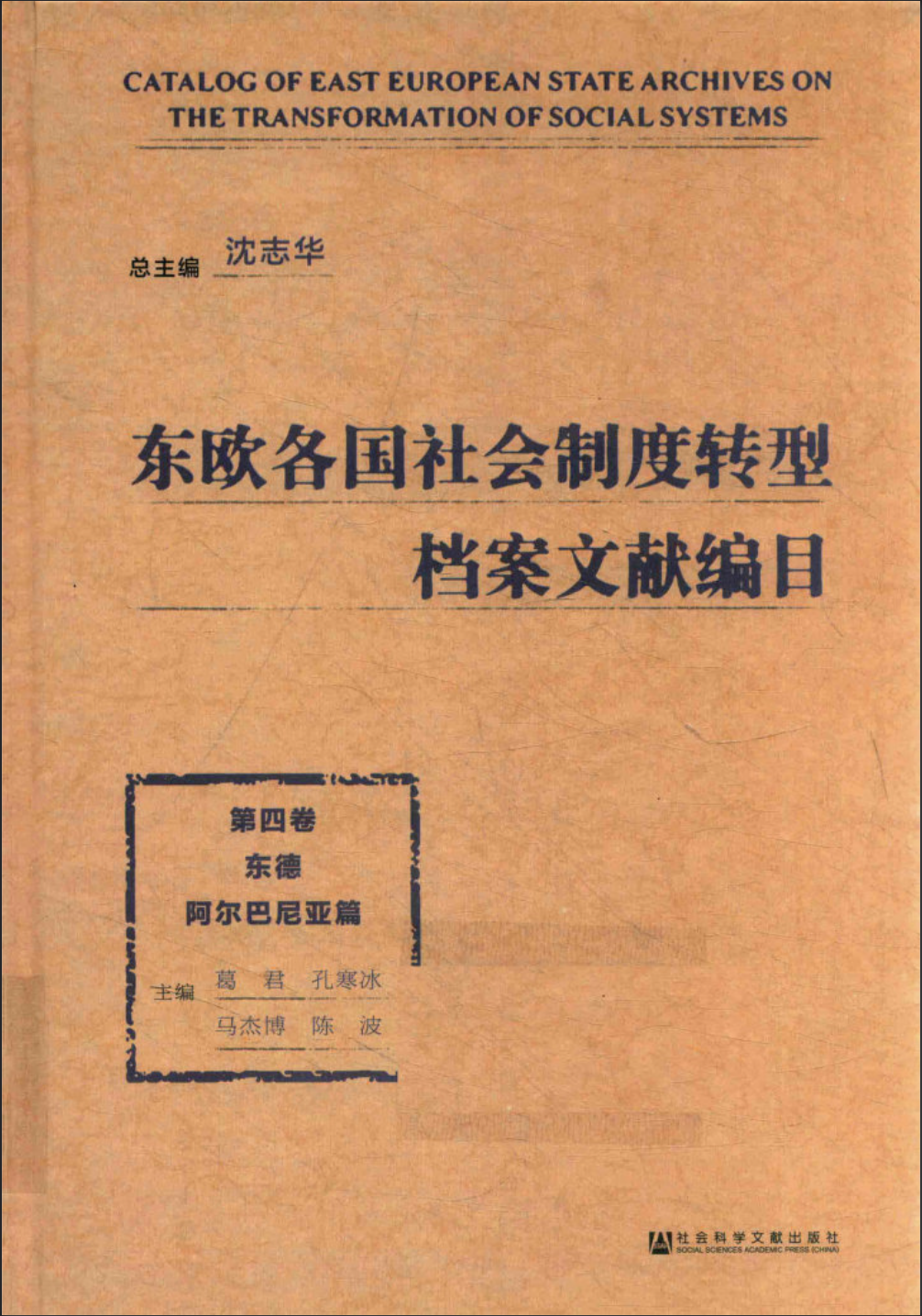
东欧各国社会制度转型档案文献编目
东欧各国社会制度转型档案文献编目
2019年10月
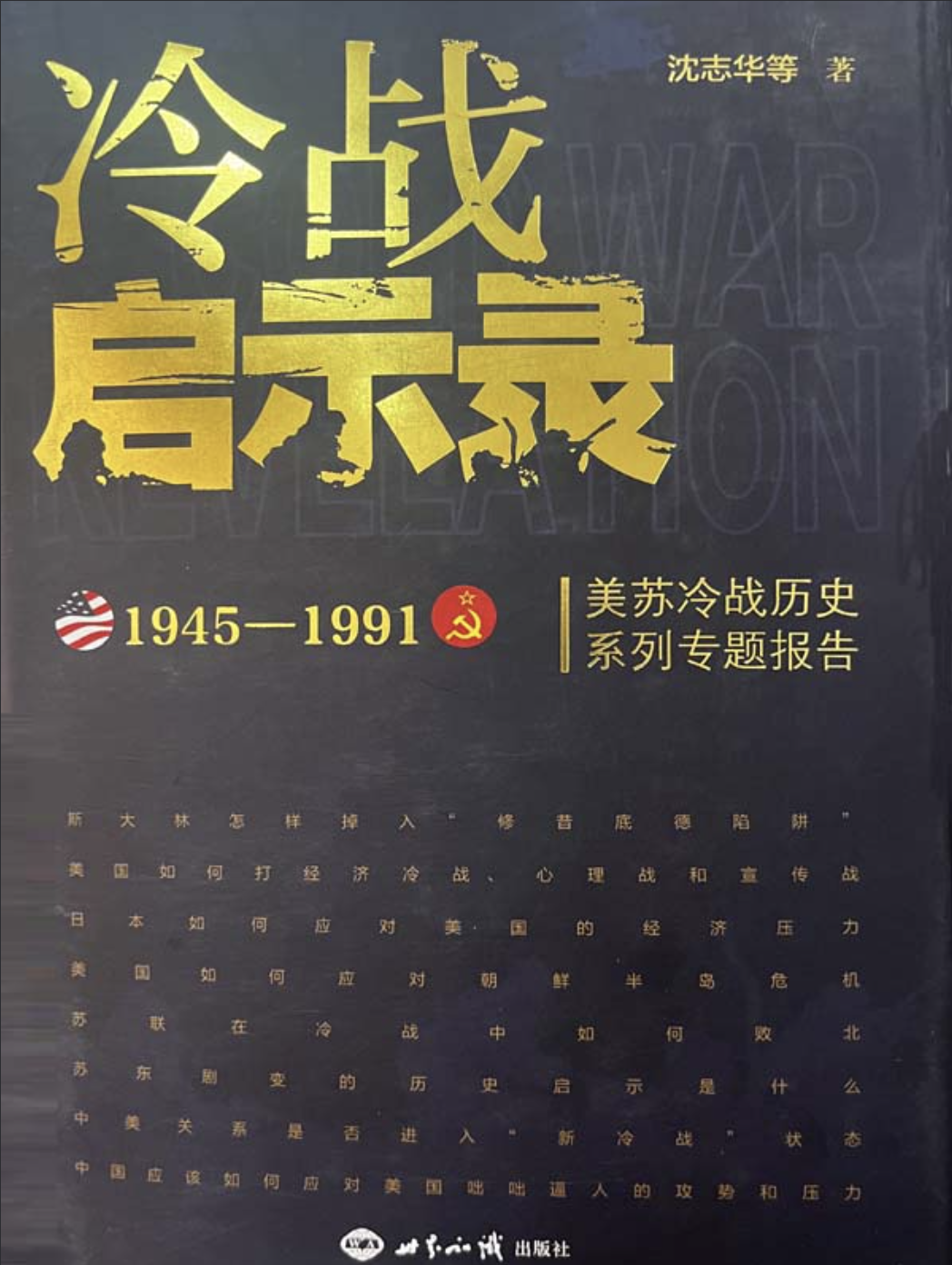
冷战启示录:美苏冷战历史系列专题报告
冷战启示录:美苏冷战历史系列专题报告
2019年10月
冷战国际史二十四讲
冷战国际史二十四讲
2018年8月
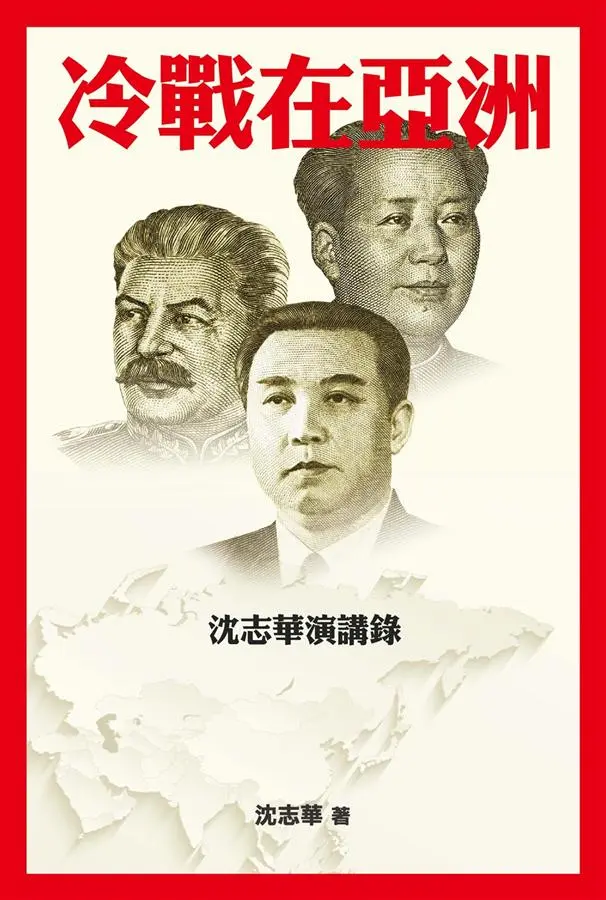
冷戰在亞洲:沈志華演講錄
冷戰在亞洲:沈志華演講錄
2018年5月
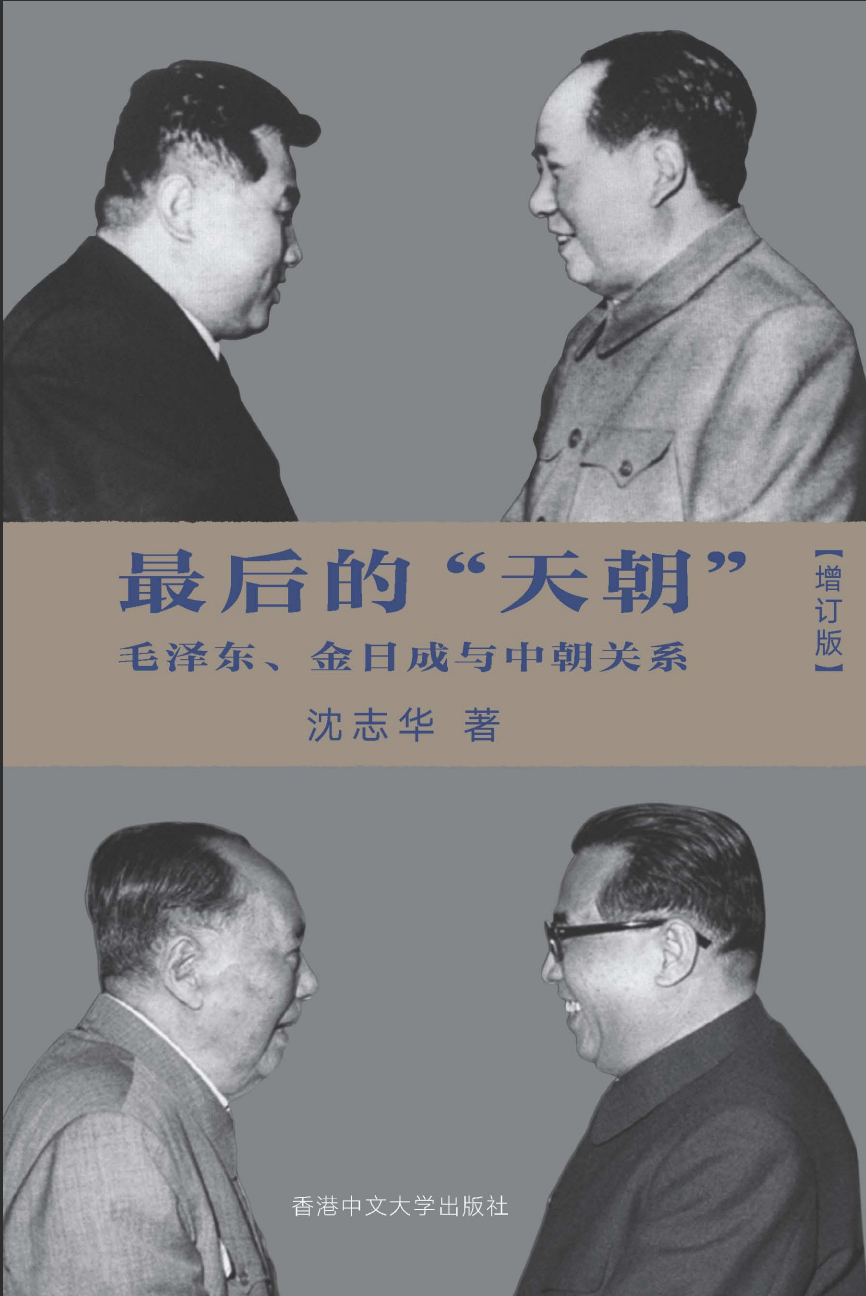
最後的“天朝”:毛澤東、金日成與中朝關係(1945-1976)
2018年5月
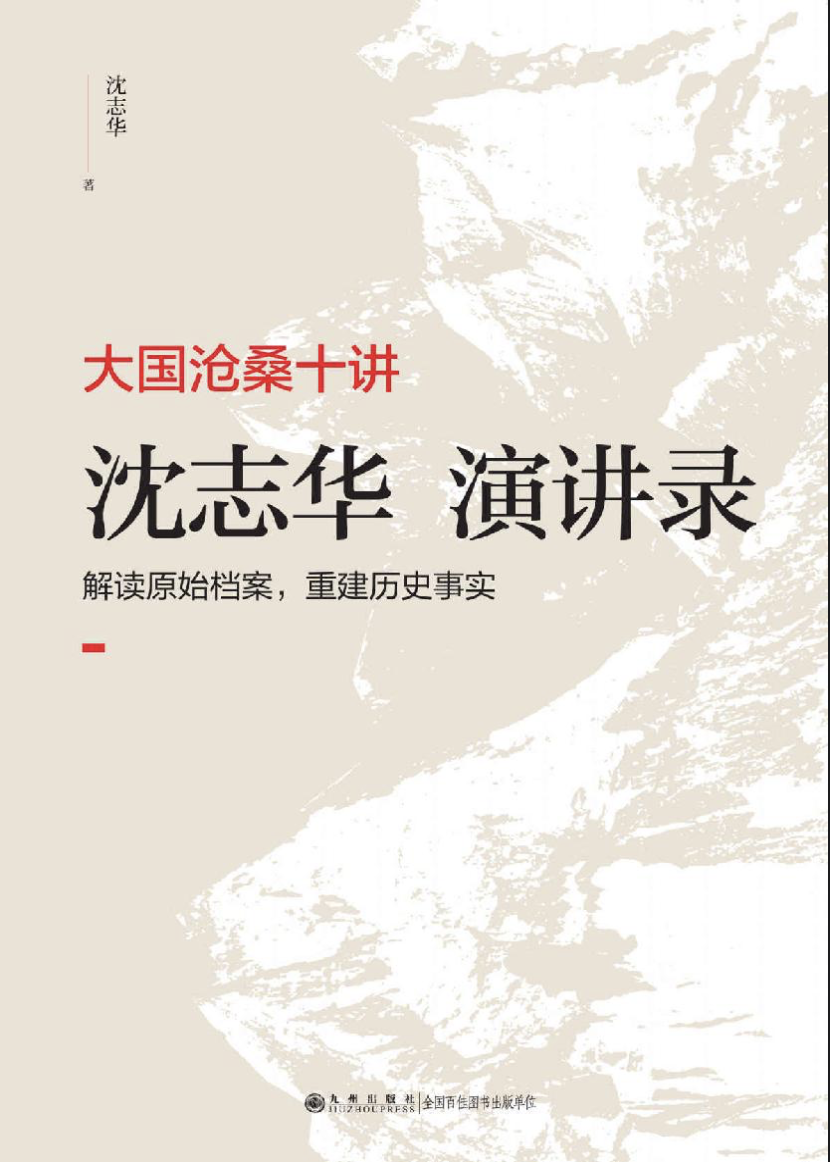
大国沧桑十讲:沈志华演讲录
大国沧桑十讲:沈志华演讲录
2016年4月
俄罗斯解密档案选编:中苏关系(1945-1991)
2014年12月
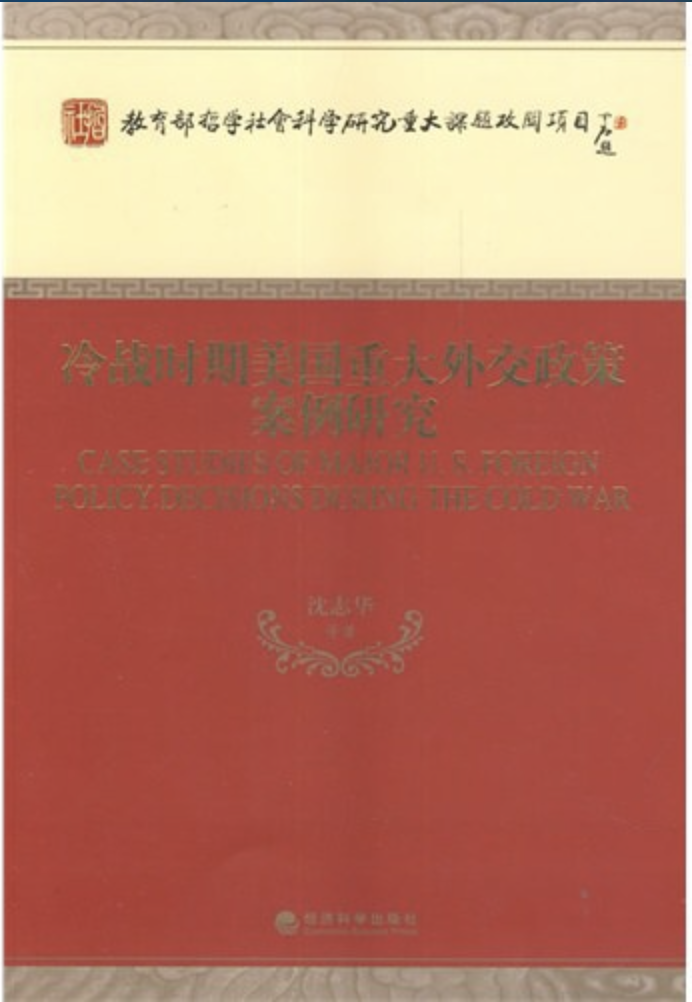
冷战时期美国重大外交政策案例研究
冷战时期美国重大外交政策案例研究
2014年6月
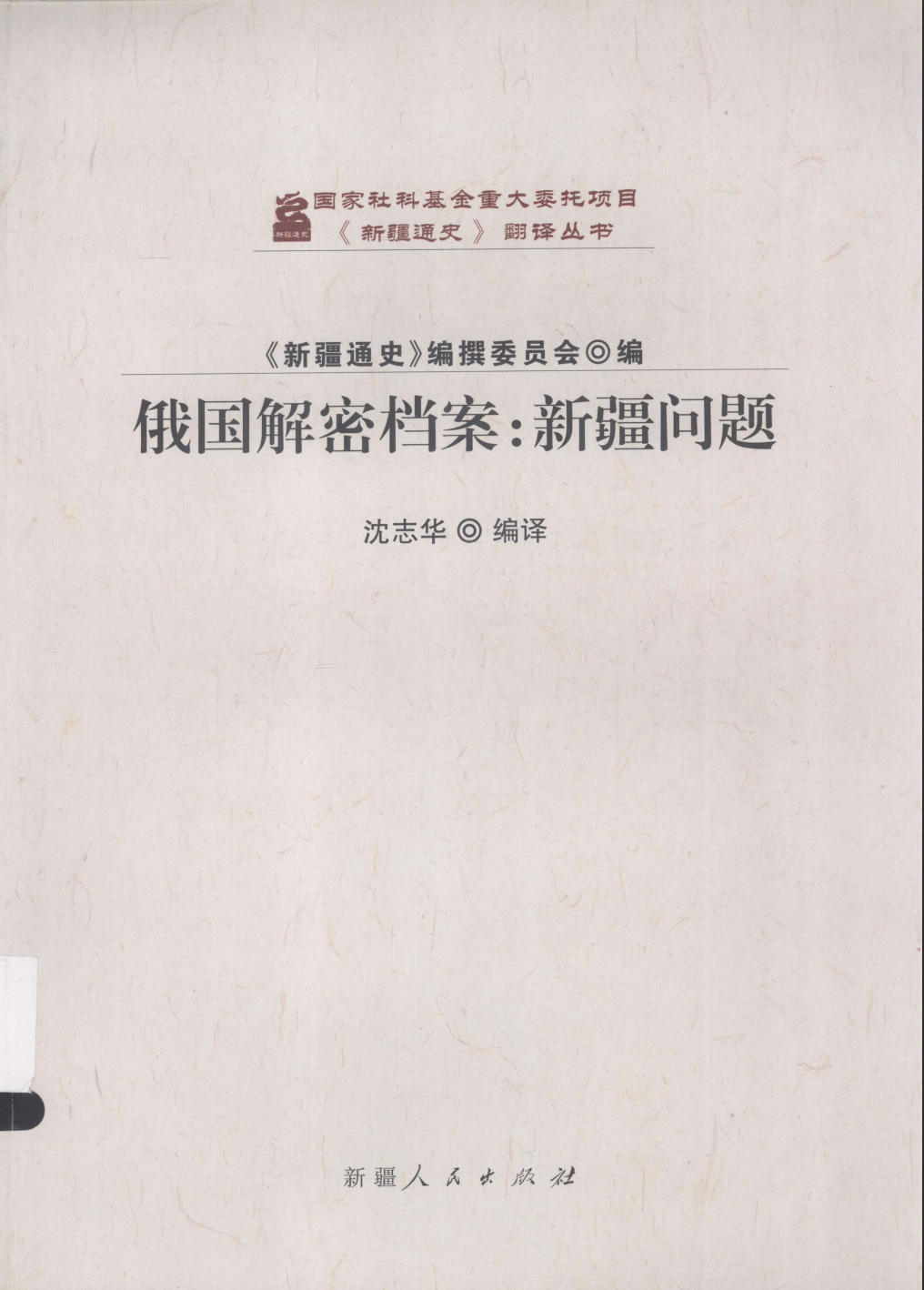
俄国解密档案:新疆问题
俄国解密档案:新疆问题
2013年1月
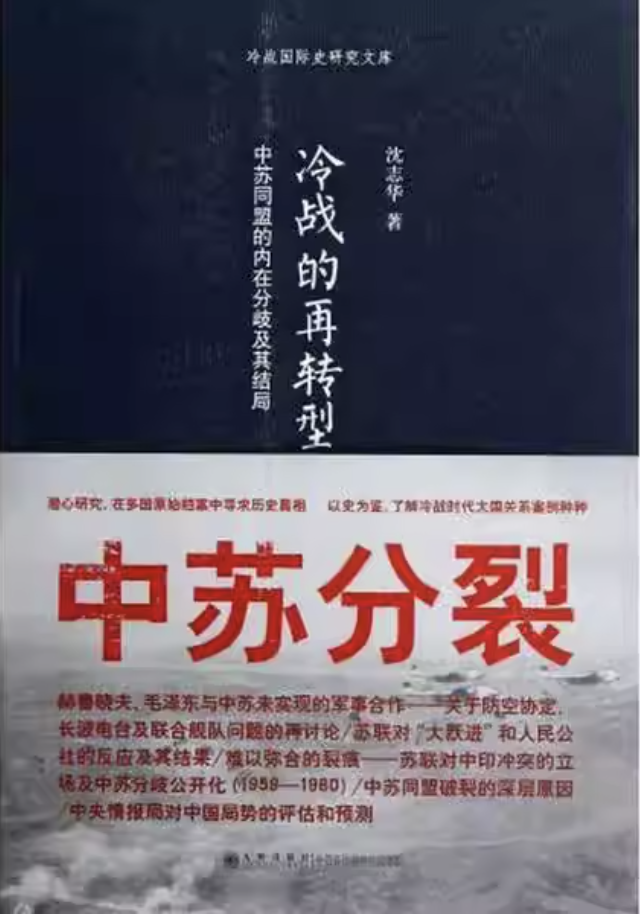
冷战的再转型 : 中苏同盟的内在分歧及其结局
2013年1月
冷战中的盟友 : 社会主义阵营内部的国家关系
2013年1月
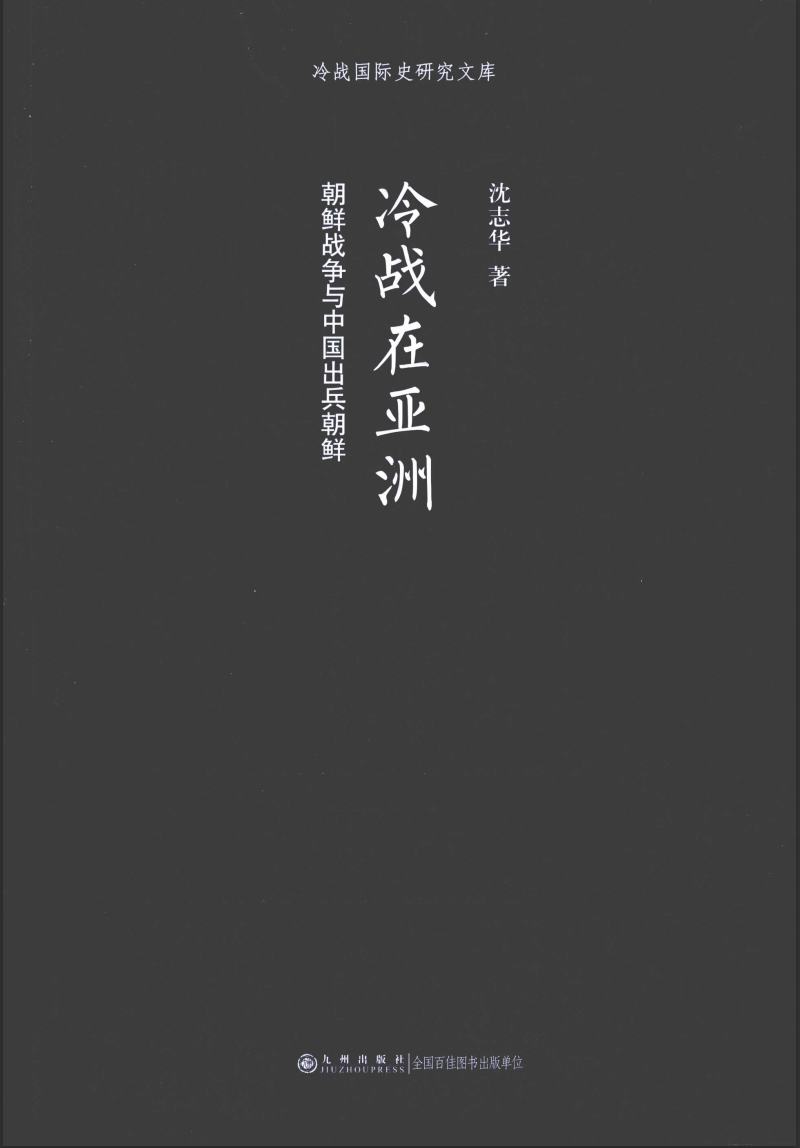
冷战在亚洲:朝鲜战争与中国出兵朝鲜
冷战在亚洲:朝鲜战争与中国出兵朝鲜
2013年1月
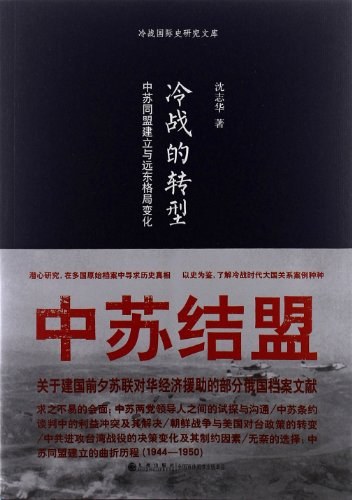
冷战的转型:中苏同盟建立与远东格局变化
冷战的转型:中苏同盟建立与远东格局变化
2013年1月
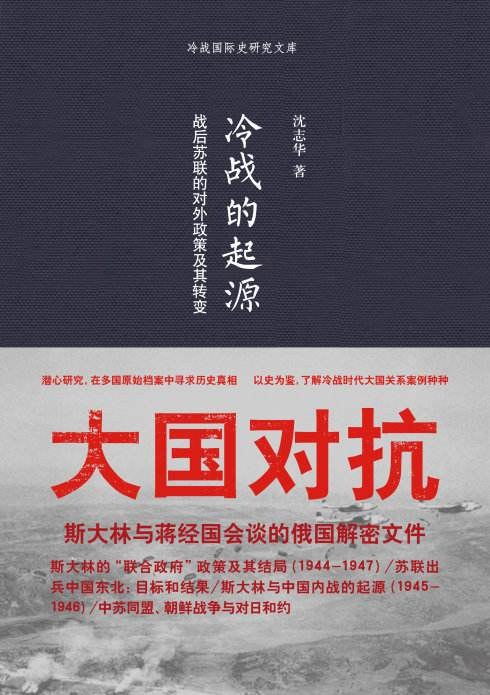
冷战的起源 : 战后苏联的对外政策及其转变
2013年1月
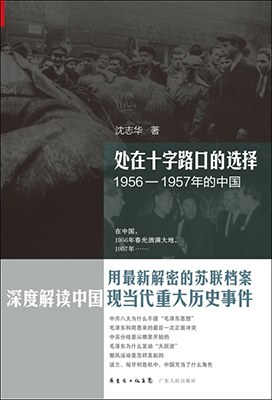
处在十字路口的选择——1956-1957年的中国
2013年1月
无奈的选择:冷战与中苏同盟的命运1945-1959
2013年1月
俄国现代化的曲折历程
俄国现代化的曲折历程
2012年7月
After Leaning to One Side:China and Its Allies in the Cold War
2011年7月
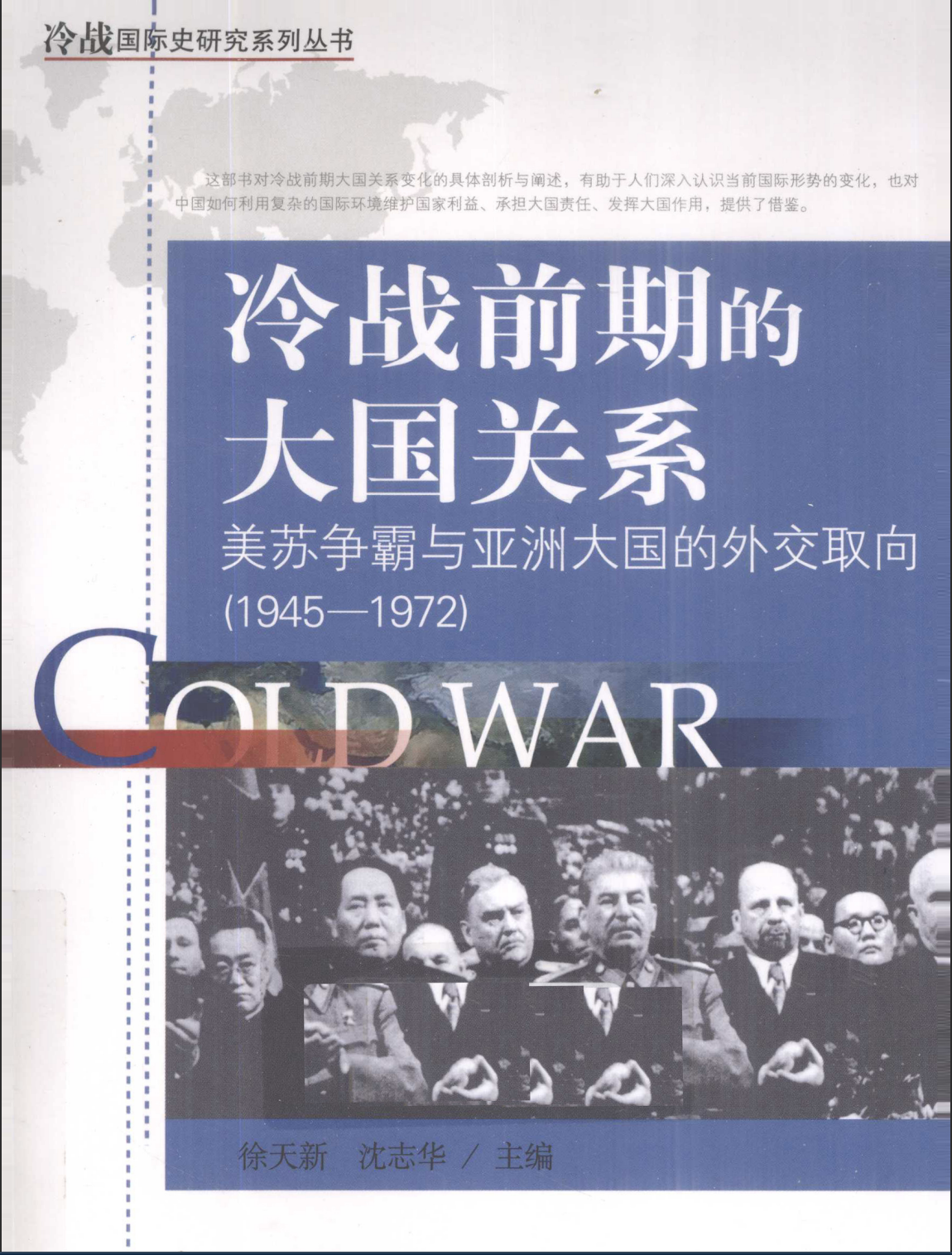
冷战前期的大国关系 : 美苏争霸与亚洲大国的外交取向 (1945-1972)
2011年4月
窥视中国 : 美国情报机构眼中的红色对手
2011年1月
脆弱的联盟 : 冷战与中苏关系
脆弱的联盟 : 冷战与中苏关系
2010年11月
金门:内战与冷战——美.苏.中档案解密与研究
2010年9月
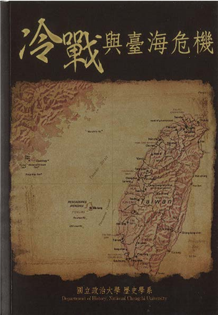
冷戰與臺海危機
冷戰與臺海危機
2010年7月
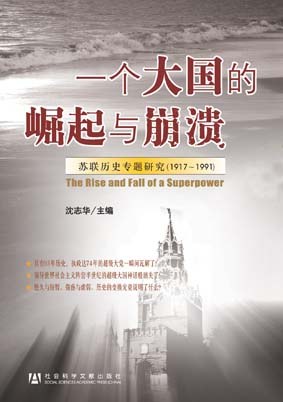
一个大国的崛起与崩溃——苏联专题史研究(1917-1991)
2009年8月
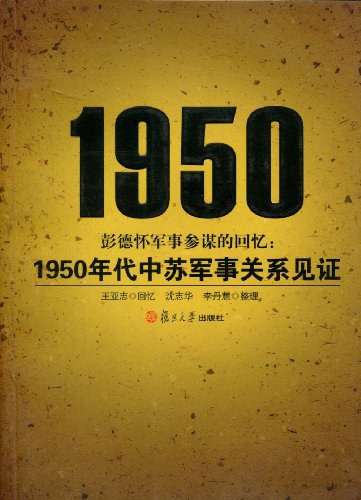
彭德怀军事参谋的回忆 : 1950年代中苏军事关系见证
2009年7月
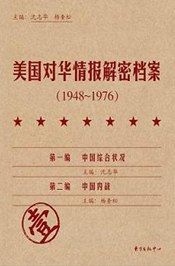
美国对华情报解密档案(1948~1976)
2009年4月
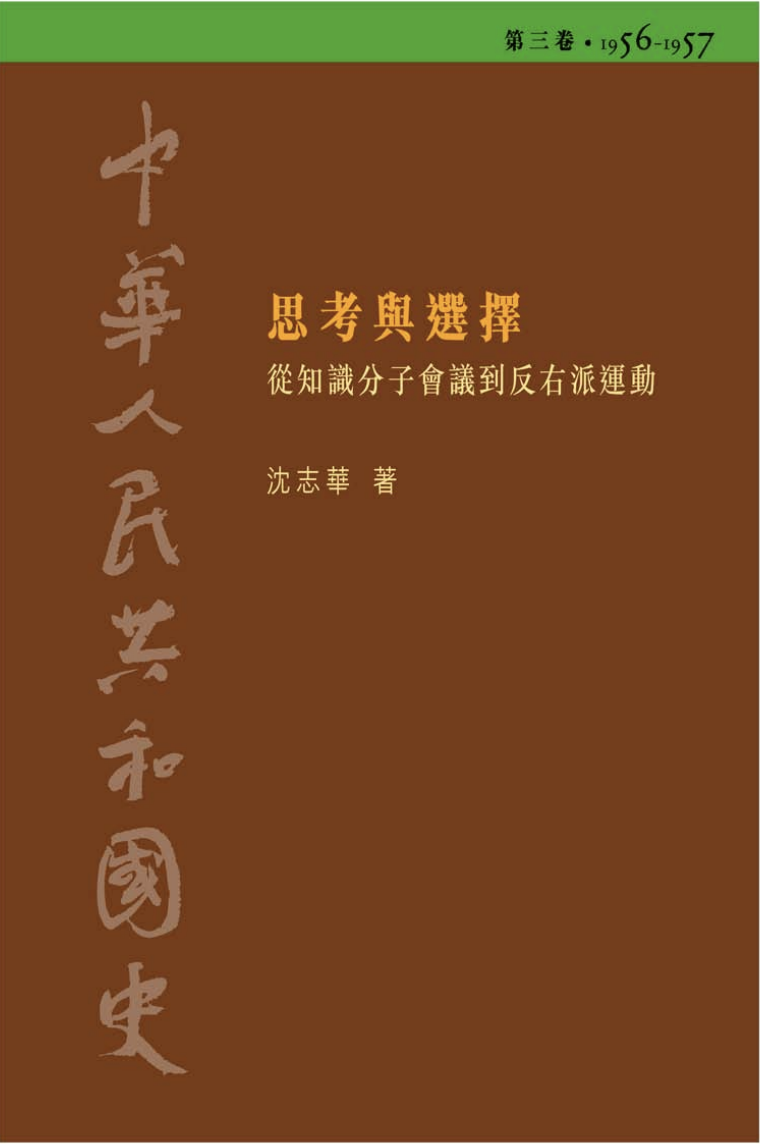
《思考與選擇:從知識分子會議到反右派運動(1956–1957)》
2008年
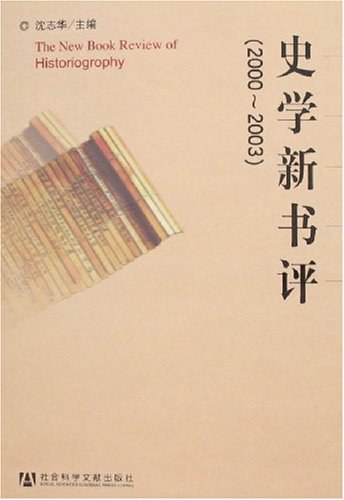
史学新书评:2000~2003
史学新书评:2000~2003
2007年2月
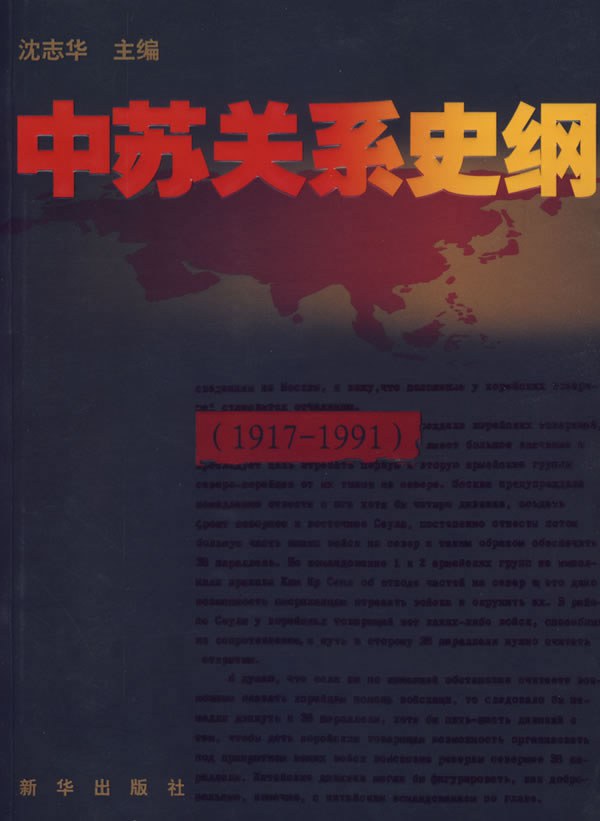
中苏关系史纲
中苏关系史纲
2007年1月
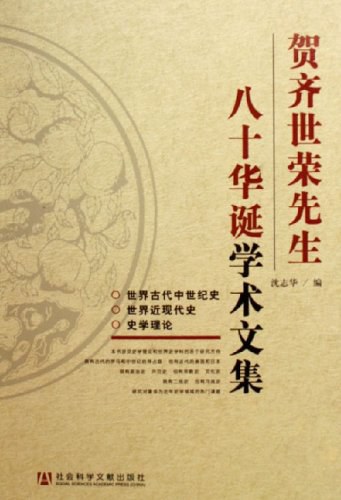
贺齐世荣先生八十华诞学术文集
贺齐世荣先生八十华诞学术文集
2006年8月
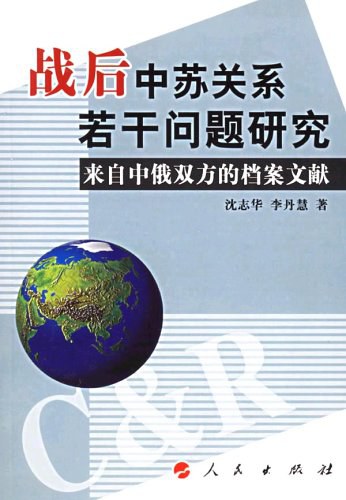
战后中苏关系若干问题研究:来自中俄双方的档案文献
2006年2月
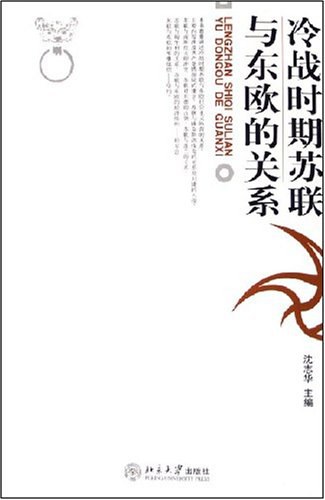
冷战时期苏联与东欧的关系
冷战时期苏联与东欧的关系
2006年1月
冷战与中国的周边关系
冷战与中国的周边关系
2004年5月
毛泽东、斯大林与朝鲜战争
毛泽东、斯大林与朝鲜战争
2003年11月
苏联专家在中国(1948-1960)
苏联专家在中国(1948-1960)
2003年5月
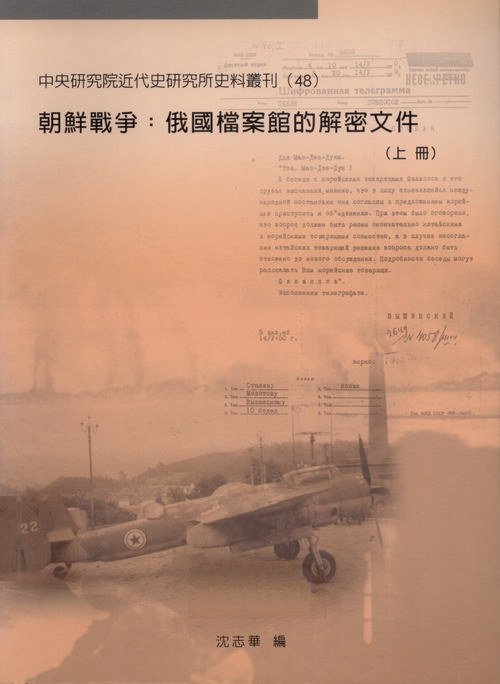
朝鲜战争:俄国档案馆的解密文件
朝鲜战争:俄国档案馆的解密文件
2003年
斯大林与铁托:苏南战争起因及其结果
斯大林与铁托:苏南战争起因及其结果
2002年10月
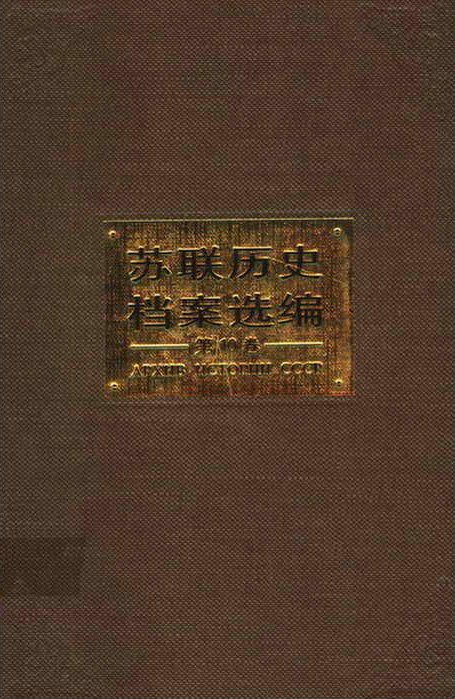
苏联历史档案选编
苏联历史档案选编
2002年8月
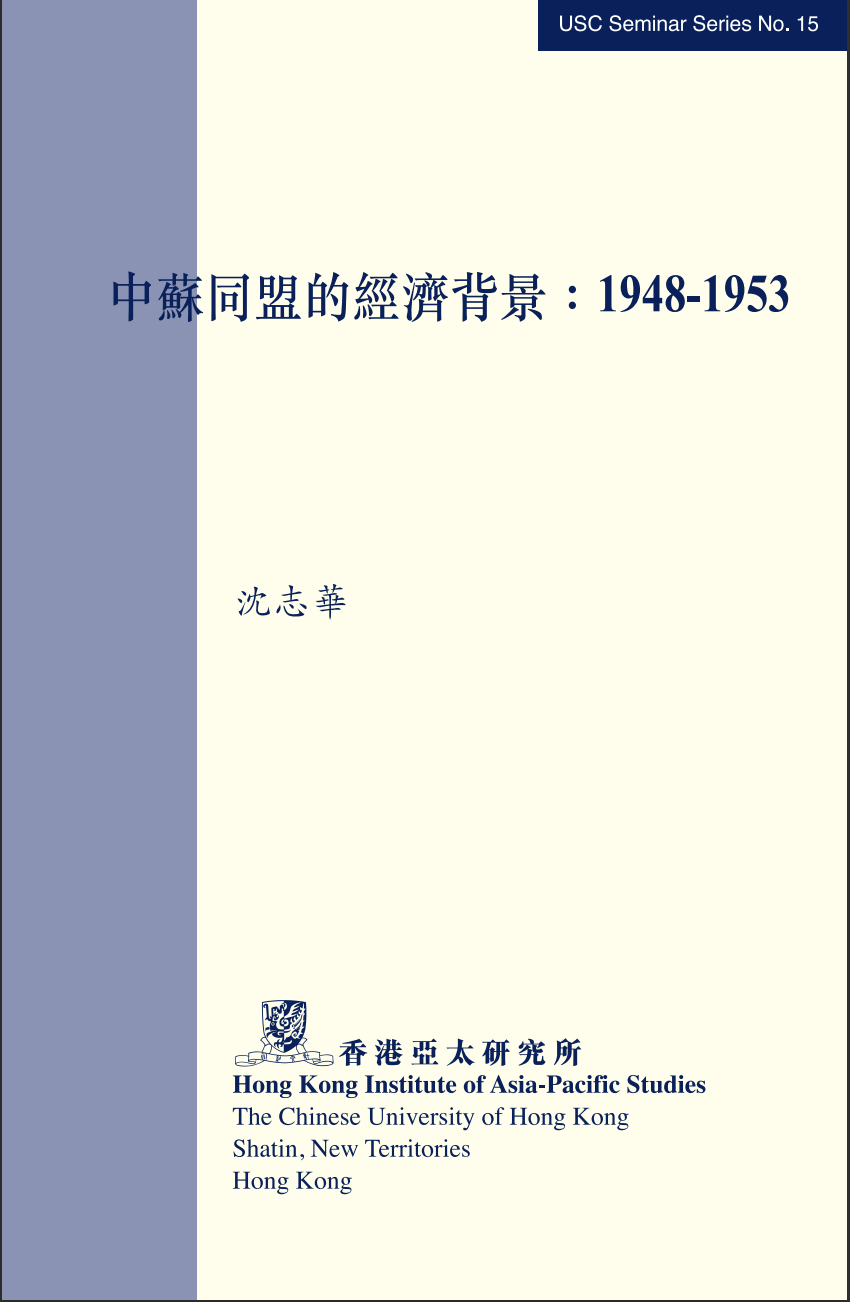
中苏同盟的经济背景:1948-1953
中苏同盟的经济背景:1948-1953
2000年
中國與印度支那戰爭
中國與印度支那戰爭
2000年
中苏同盟与朝鲜战争研究
中苏同盟与朝鲜战争研究
1999年7月
朝鮮戰爭揭秘
朝鮮戰爭揭秘
1995年
新经济政策与苏联农业社会化道路
新经济政策与苏联农业社会化道路
1994年11月
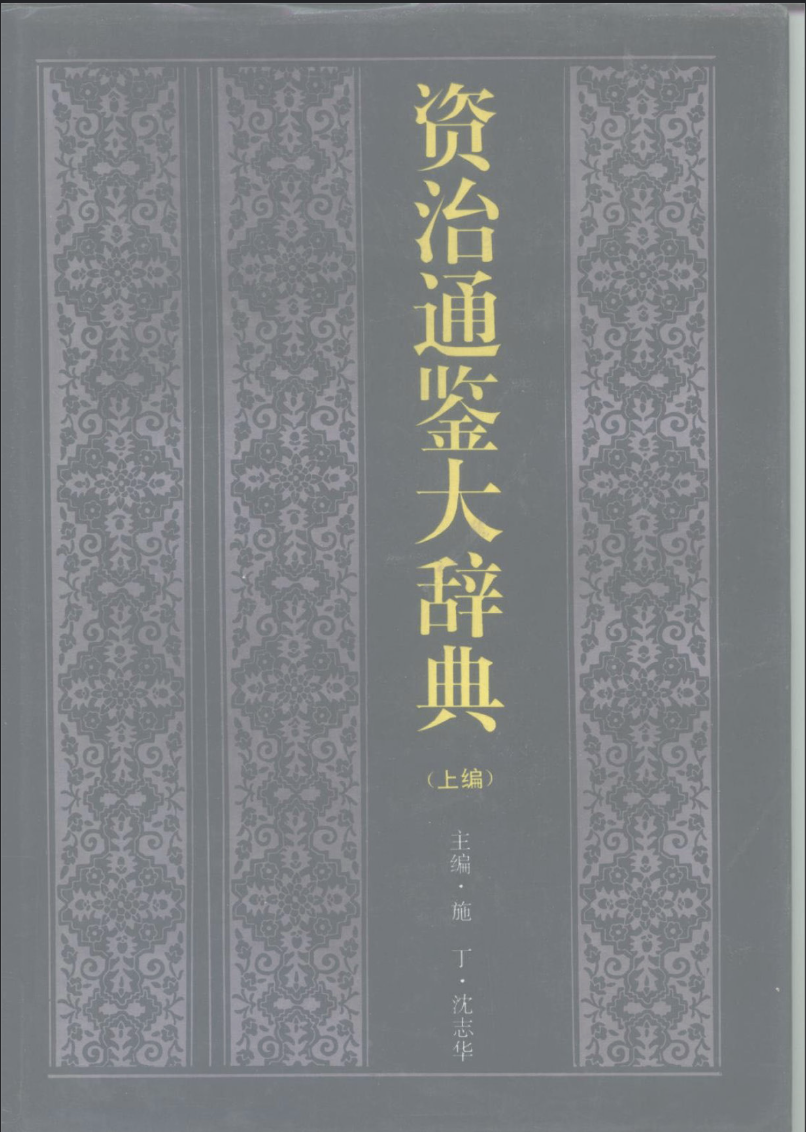
资治通鉴大辞典
资治通鉴大辞典
1994年9月
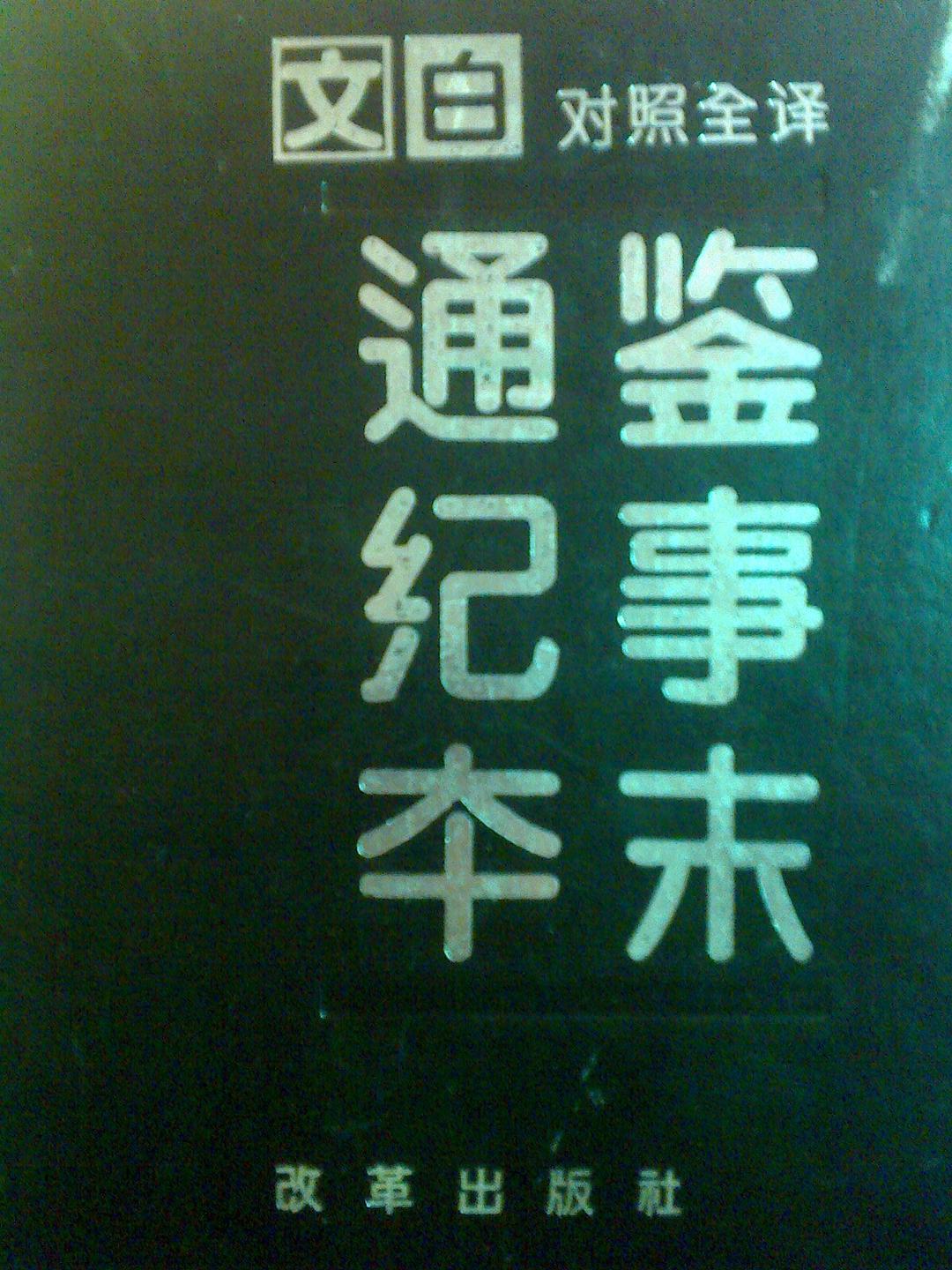
文白对照全译《通鉴纪事本末》
文白对照全译《通鉴纪事本末》
1994年6月
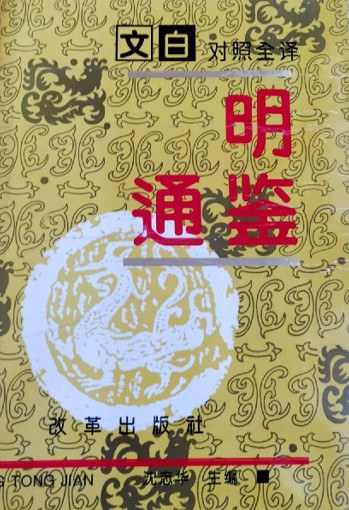
文白对照全译《明通鉴》
文白对照全译《明通鉴》
1994年6月
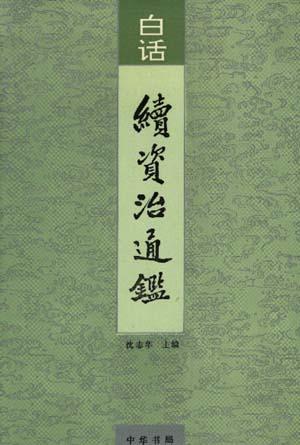
白话续资治通鉴
白话续资治通鉴
1993年8月
苏联共产党九十三年:1898至1991年苏共历史大事实录
1993年6月
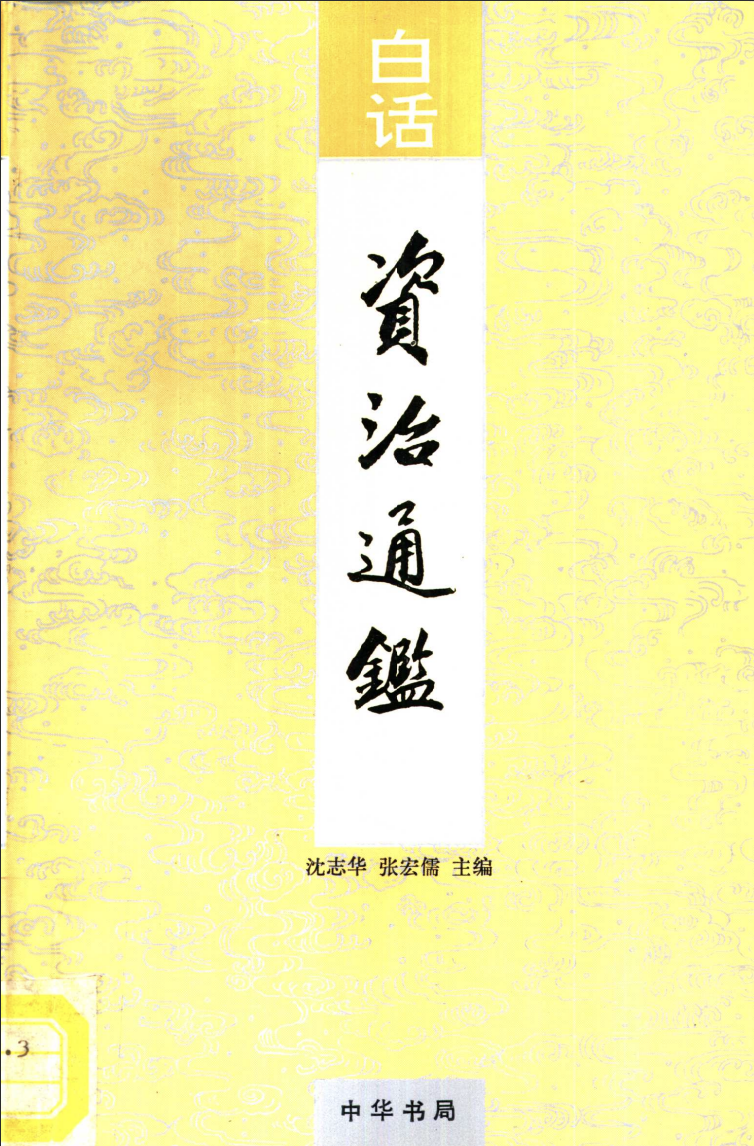
白话资治通鉴
白话资治通鉴
1993年3月
历史的启示:新经济政策时期苏联农村经济研究(1921—1930)
1988年1月

Subscription information

A Digital Library is an annual subscription. From the day your subscription begins, you can access all content in that scholar’s library for one year.

Each library contains an extensive and growing collection of audio, video, and written material. New items are added regularly, excluding public holidays.

This is a virtual online service. Once access has been activated, the subscription cannot be refunded.

Because of licensing restrictions, Digital Libraries are not included in Vistopia membership listening benefits. Members receive an exclusive subscription price.