
Vistopia
Zi Zhongyun
DIGITAL LIBRARY

Zi Zhongyun

Digital Library · 200+ items
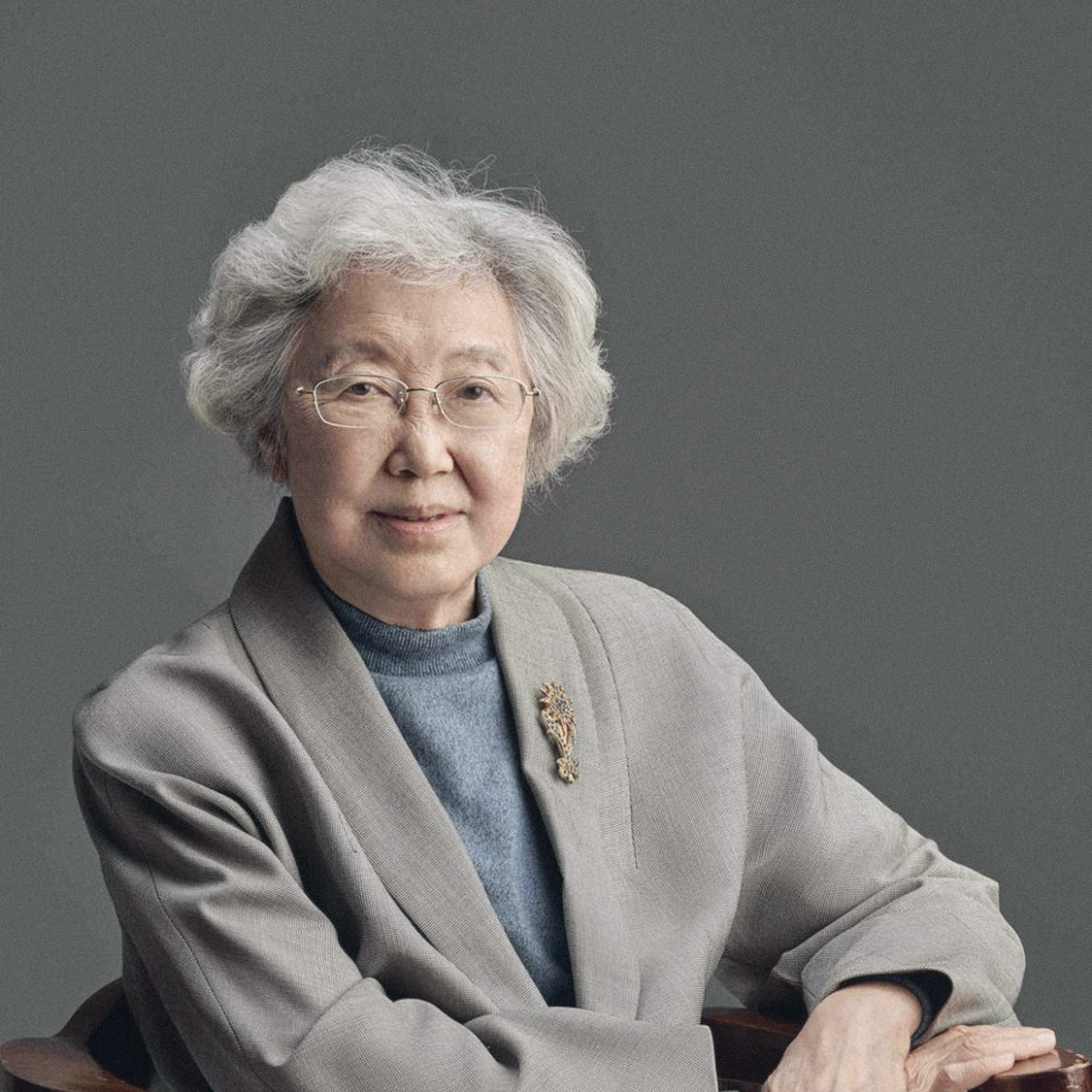
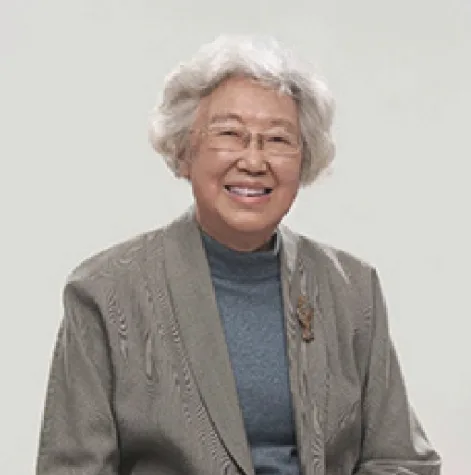
Zi Zhongyun was born in 1930. She is a senior scholar, translator, and specialist in international politics and American studies. She is an honorary member of the Chinese Academy of Social Sciences and former director of its Institute of American Studies.

About this library

I. A Scholar in Her Nineties Who Forgot Her Age
Limited-time access I. A Scholar in Her Nineties Who Forgot Her Age
Zoo Interview with Zi Zhongyun, Part One.
Audio 56:03 35 comments 2026/04/07
II. Enlightening the Self: Refusing to Remain a Cog
Limited-time access II. Enlightening the Self: Refusing to Remain a Cog
Zoo Interview with Zi Zhongyun, Part Two.
Article 6635 words 2 comments 2026/04/07
III. Becoming Zi Zhongyun: Be Honest with Yourself
Limited-time access III. Becoming Zi Zhongyun: Be Honest with Yourself
Zoo Interview with Zi Zhongyun, Part Three.
Article 12315 words 6 comments 2026/04/07

In an age of dramatic upheaval,

to understand the struggle deep within Chinese intellectuals,
and a lifelong pursuit of independent character,

Zi Zhongyun is essential reading.

Zi Zhongyun

Zi Zhongyun

Born in 1930
Honorary Member of the Chinese Academy of Social Sciences and former Director of its Institute of American Studies

Senior scholar, translator, and specialist in international politics and American studies.

1930s–1950s

“The Model Student”

Born in Dongyang, Zhejiang, she received an education grounded in both Chinese and Western traditions. She studied foreign languages at Tsinghua and became part of the first generation of university graduates in the new China. Having lived through war and civil conflict, she retained a lasting concern for the nation’s fate.
1950s–1980s

“A Cog in the Machine”

She spent decades amid ideological remolding and foreign-affairs work, observing the world through translation and research while striving to become a ‘useful’ member of society.

1980s–2000s

“Scholarship”

She devoted herself to global affairs, postwar social thought, and American studies; helped found the journal American Studies; and published monographs, translations, and essays.

2000s–present

“A Return to Common Sense”

Through essays, lectures, and interviews, she became a prominent public intellectual, writing about the engagement and withdrawal of Chinese intellectuals, institutions and disillusionment, fairness, justice, and the country’s future.
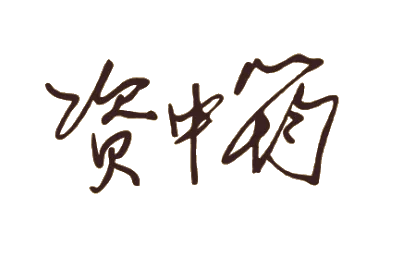
Zi Zhongyun signature

Through essays, audio, and video, the archive brings together personal recollections, public lectures, and recent commentary on current affairs.
Much of this material is available online for the first time, newly edited and produced by Vistopia.

Presented as a curated collection, it traces Zi Zhongyun’s reflections over several decades.

Five areas and more than 200 items, including—

Three new items each week, excluding public holidays

40+ items

“Reflections on Chinese History and Culture”

Looking back at, examining, and reconsidering the intellectual history of Chinese culture from the perspective of the present.

10+ items

“On Intellectuals”

From the scholar-official to the modern intellectual: what sustains an intellectual life, and how should intellectuals respond to social transformation?

40+ items

“International Affairs and the United States”

Understanding America’s rise and decline, hegemony and democracy, and recalibrating how we view the United States and the world.

20+ items

“Philanthropic Foundations and Social Reform”

How can philanthropy reshape capitalism? How can foundations act as stabilizers and ease social crises?

100+ items

“Memoir and Reminiscence”

From school and translation to public life and private reflection, hear her recount a life lived across changing eras.

More

Chronology and Bibliography

An authoritative chronology and bibliography for readers who wish to explore further.

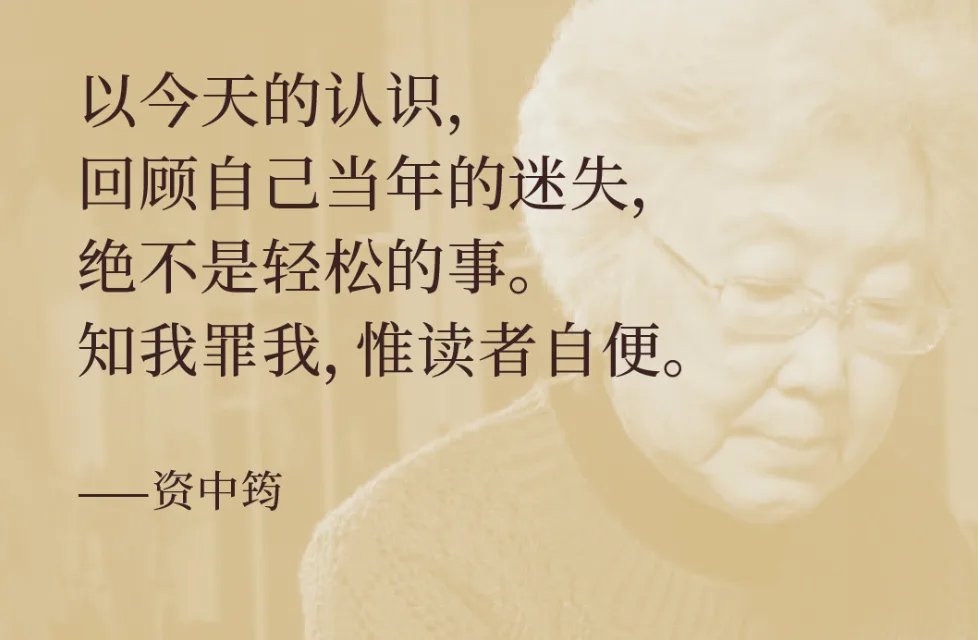
To reconsider one’s past confusion with the understanding of today is never easy. Readers may judge me as they will. — Zi Zhongyun

Subscription benefits

Digital collector’s ticket

After subscribing to Zi Zhongyun’s Digital Library, find your collector’s ticket in Vistopia App · Me · Achievements.

Zi Zhongyun collector’s ticket

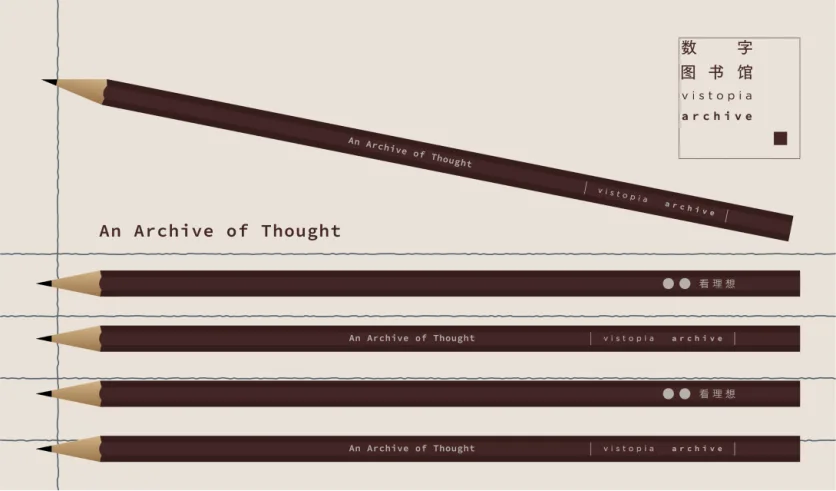
Commemorative pencil set

Set of 10
Commemorative pencil set

*Exclusive gift for the first 1,000 subscriptions*

Chronology

Zi Zhongyun: Scholarly Chronology

14 years · 46 experiences, honors, and publications

1930

  • Born in Shanghai in June.

1935

  • Moved with her father to Tianjin and entered Yaohua School in the autumn, remaining there from first grade through high-school graduation. After the 1939 Tianjin flood, the family temporarily took refuge in Shanghai; she attended Weifeng Primary School there for two years before returning to Yaohua for junior high.

1947–1951

  • After high school, entered the mathematics department at Yenching University and later transferred to foreign languages.
  • In 1948, passed a transfer examination and entered the second year of Tsinghua University’s Department of Western Languages and Literatures.
  • At Tsinghua, experienced the peaceful liberation of Beiping, campus ideological-remolding campaigns, the Korean War mobilization, and winter-break stays in nearby villages where students lived and worked with farmers and conducted public-information activities.
  • Graduated from Tsinghua in August 1951. As part of the first cohort assigned jobs through a nationwide system, she joined graduates from Peking University, Beijing Normal University, and other institutions in several weeks of training and daily briefings by national and ministry leaders on China’s conditions, the role of graduates in building the new country, and the requirement to accept centralized job assignments.
  • Her first post after graduation was in the Religious Affairs Department of the Government Administration Council’s Committee on Culture and Education.

1952

  • In June, was seconded to the Chinese People’s Committee for the Defense of World Peace to help organize materials from the Peace Conference of the Asian and Pacific Regions and provide French typing. She later joined the organization formally in its International Liaison Department, translating correspondence and documents, receiving foreign visitors, and interpreting at international conferences.

1954

  • In May, made her first trip abroad, traveling to East Germany for a World Peace Council meeting in Berlin. Afterward, some members of the Chinese delegation rested in Sochi on the Black Sea at the invitation of the Soviet side while waiting for their next conference.
  • In June, attended a conference on easing international tensions in Stockholm.
  • Through 1964, repeatedly accompanied delegations to conferences connected with the peace committee. Its responsibilities later included the Asian Solidarity Committee, the Afro-Asian Solidarity Committee, and Japan’s annual conference against atomic and hydrogen bombs. She traveled to more than thirty countries in Asia, Africa, and Europe, working primarily as an English and French interpreter in simultaneous interpretation, written translation, note-taking, and document drafting.

1956–1959

  • Was posted to the World Peace Council secretariat in Vienna as interpreter to the Chinese secretary while also handling general duties. She worked successively under Li Yimang and Zheng Senyu, with Chen Lemin as a colleague.
  • Returned to China on leave in 1957 and married Chen Lemin in July. Afterward, the couple returned to Vienna with Zheng Senyu and his wife Tian Huizhen.
  • In August 1959, she and Chen Lemin were recalled to China. She resumed work in the peace committee’s International Department and continued traveling to conferences. For several years, the State Council’s Foreign Affairs Office listed her among the interpreters available for meetings between Chinese leaders and foreign guests.

1960

  • Her daughter Chen Feng was born in Beijing in May while Chen Lemin was doing manual labor in the countryside.

1961

  • Attended a World Peace Council meeting in Stockholm in December. During a Soviet delegate’s speech, the entire Chinese delegation walked out in protest—her first direct experience of the Sino-Soviet split becoming public at an international gathering.

1964–1966

  • Years of intense work, physical exhaustion, and severe malnutrition culminated in illness after an overseas trip. Recovery was slow amid shortages. She took two years of full medical leave, first in hospital and then, with special organizational approval, at Xiaotangshan Sanatorium. By late 1965 she could work half-days, continuing until the Cultural Revolution began in 1966.

1968–1971

  • Sent down with the first group of cadres to labor at Shuangqiao Commune in Tong County outside Beijing.
  • In 1970, under military representatives, her unit selected rural Nandancheng County as its May Seventh Cadre School. She, Chen Lemin, and their daughter Chen Feng moved there with the entire organization.

1971–1972

  • In August, the peace committee’s Henan cadre school was closed and the family returned to Beijing, partly because preparations for President Nixon’s visit required many foreign-language specialists. The Chinese People’s Committee for the Defense of World Peace was formally dissolved and reorganized as the Chinese People’s Association for Friendship with Foreign Countries. Assigned to the United States group within its Americas and Oceania Department, she was seconded to the Foreign Ministry’s temporary team preparing for Nixon’s 1972 visit.
  • During Nixon’s February 1972 visit, worked as an interpreter with the press group and traveled with the delegation to Hangzhou and Shanghai. Afterward, returned to the friendship association, serving first as head of the United States group and then deputy director of the Americas and Oceania Department, mainly receiving American visitors to China.

1979

  • Diagnosed with cancer in April; timely surgery was successful and the prognosis was good.
  • In August, joined a friendship delegation led by Wang Bingnan to the United States and Canada—her first visit to America and her final assignment at the friendship association. Determined to devote the second half of her life to scholarship, she requested a transfer on health grounds and joined the Foreign Ministry’s Institute of International Studies in its American Studies division. As China–US academic exchanges began, she visited the United States for one month in 1980 with deputy director Wang Shikun through the US State Department’s International Visitor Program.

1981–1982

  • Spent nine months in the United States as a visiting scholar at Princeton University’s Center of International Studies.

1985–1996

  • Transferred to the Chinese Academy of Social Sciences in September 1985 as deputy director of the Institute of American Studies under director Li Shenzhi; became director in 1988.
  • Voluntarily resigned as director in 1992 and continued as a research fellow until retiring in 1996.
  • While director, helped found the journal American Studies. Its inaugural issue in March 1987 carried her essay “American Studies in China,” which argued that the field, as a social science, should remain distinct from government work and study the United States comprehensively and objectively as a civilization. Under this vision, the institute added research divisions on American society and culture to its existing political, economic, and diplomatic sections, while greatly expanding academic exchange.
  • Major academic activities included the following.
  • In November 1986, traveled to the United States for the first time with CASS vice president and institute director Li Shenzhi to join a Sino-American citizens’ dialogue organized by the Kettering Foundation. The institute and foundation subsequently maintained a long relationship that helped advance nongovernmental dialogue.
  • In early 1989, organized a symposium marking the tenth anniversary of China–US diplomatic relations. Later that year, conducted academic exchanges and collected diplomatic-history materials in Britain and France.
  • In May 1991, chaired an international conference on twentieth-century America and the Asia-Pacific, attended by 150 participants from fifteen countries. The resulting proceedings documented the largest academic event the institute had yet held.
  • At the end of 1992, became a fellow at the Woodrow Wilson International Center for Scholars in Washington for one academic year.
  • In 1994, served on the honorary committee for an international symposium marking the fiftieth anniversary of the Dumbarton Oaks Conference and delivered “Great-Power Guarantees of Peace and the Principle of Equality Among States,” examining the tension between these two United Nations principles. The essay appeared in Chinese and English and was later collected in several volumes.
  • Beginning in 1994, served as a visiting professor at the Johns Hopkins University–Nanjing University Center for Chinese and American Studies. She and Chen Lemin initially taught there for one semester and continued giving lectures for years. She witnessed former National People’s Congress chairman Wan Li receive an honorary doctorate from Johns Hopkins University.
  • In 1996, when Nanjing University awarded former US president George H. W. Bush an honorary doctorate, she wrote a recommendation as an outside expert and attended the ceremony and Bush’s lecture at the center.
  • After retirement, was appointed a counselor at the Central Research Institute of Culture and History in 2009 and became a director and executive director of the Leping Social Entrepreneur Foundation in 2010.
  • Chen Lemin died on December 27, 2008.
  • Awards and honors included National March 8th Red-Banner Pacesetter in 1983; Expert with Outstanding Contributions in 1994; Senior Translator from the Translators Association of China in 2004; one of Southern People Weekly’s “50 Most Charismatic Chinese” in 2010; Tencent’s “Thinker and Practitioner of the Era” in 2013; Consensus Net’s second Consensus Figure award and Southern Metropolis Daily’s Responsible China Award for Philanthropic Thought in 2014; and China Philanthropist’s 2020 Person of the Year and Lifetime Achievement Award in 2021.
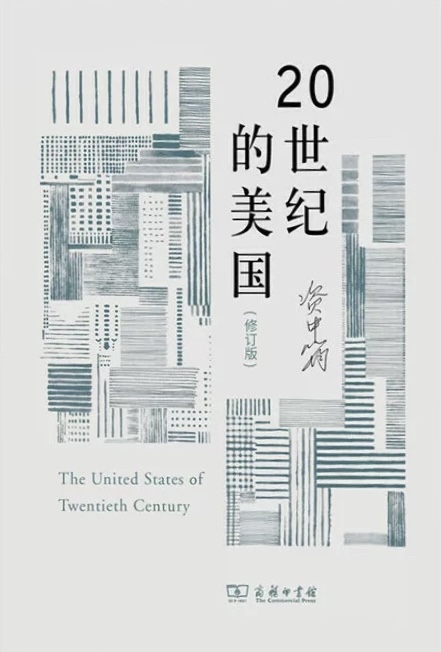
  • Major scholarly works and essay collections include The Origins and Development of Postwar US Policy Toward China, 1945–1950 (first published 1987; revised in 2000 as Tracing the Source); A History of Postwar US Diplomacy: From Truman to Reagan (chief editor and principal author, 1994); Looking Coldly Across the Ocean: Lessons from a Century of Change (four-volume series co-edited with Chen Lemin, including her Twentieth-Century America, first published in 2000 and separately reissued from 2007); The Collected Works of Zi Zhongyun (2002); and The Way of Giving: Modern American Philanthropic Foundations (2003), later expanded and retitled The Destination of Wealth and The Responsibility of Wealth and the Evolution of Capitalism.
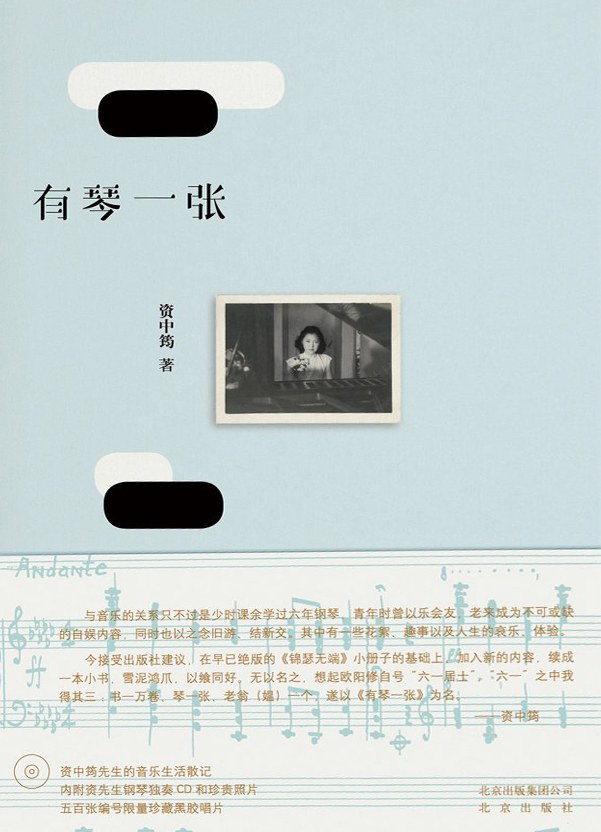
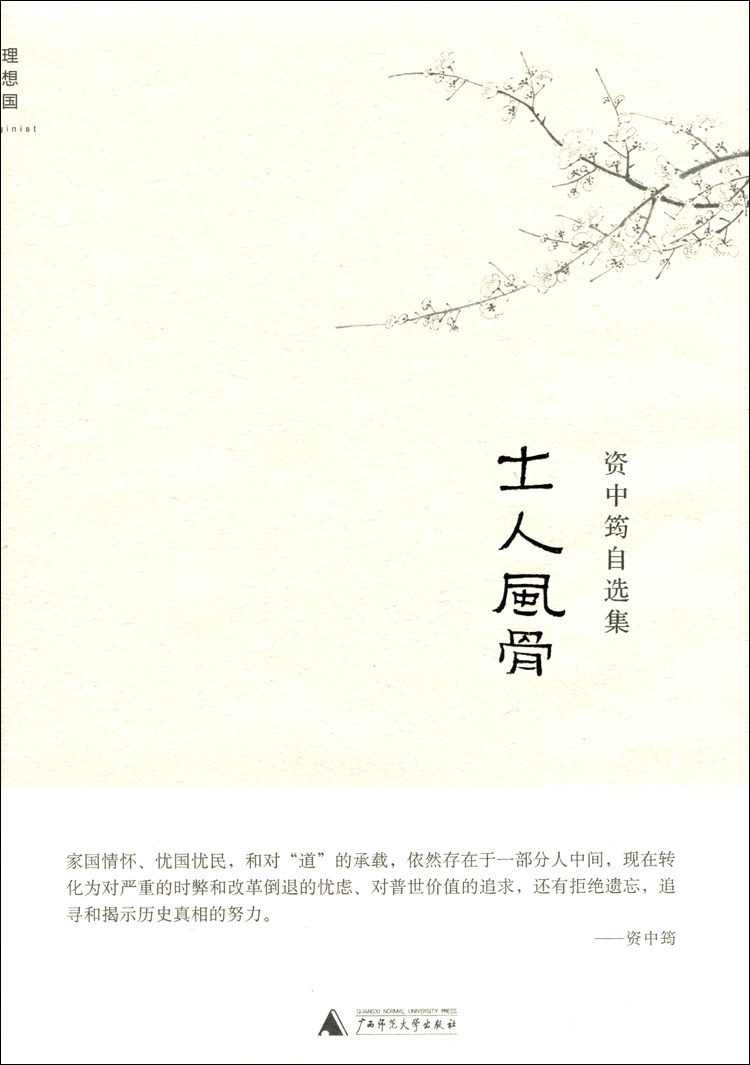
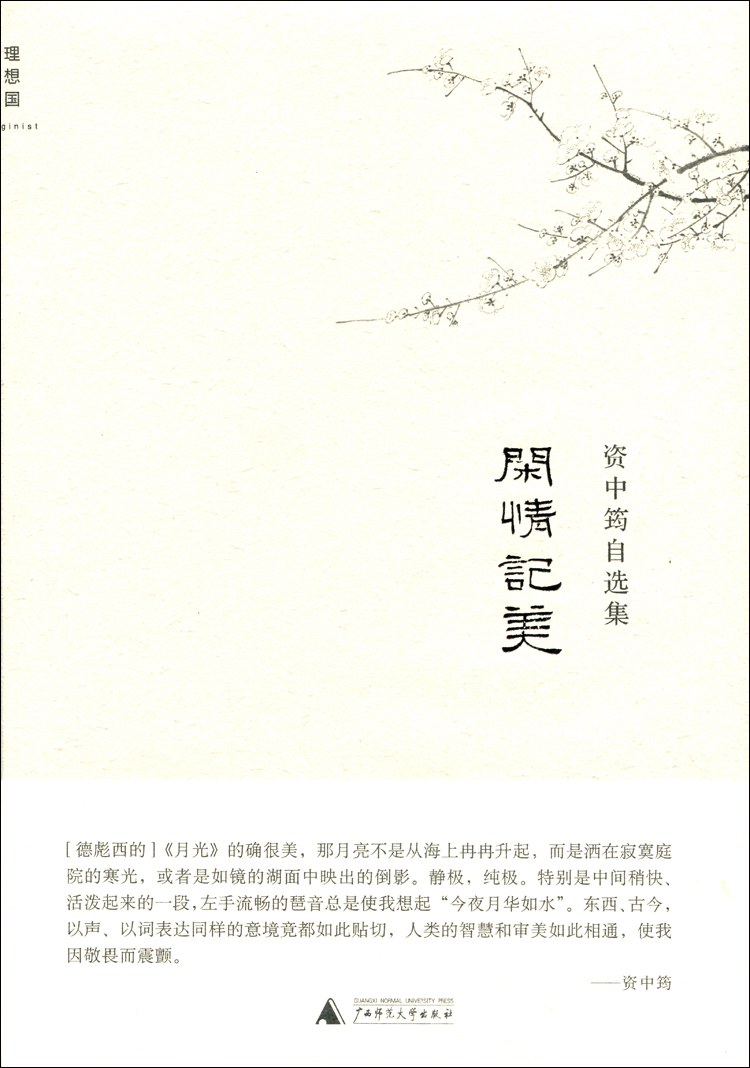
  • Essay collections include At the Shore of the Sea of Learning (with Chen Lemin, 1995); The Unbidden Brocade (2000); Engagement and Withdrawal of Chinese Intellectuals (2002); The World in a Small Study (2005); the five-volume Selected Works of Zi Zhongyun—Concern for the Times, Intellectual Integrity, Observing the World, Unfinished Thoughts, and Leisurely Reflections on Beauty (2011); Ten Lectures on the United States and Familiar Reflections (2014); Understanding the World, Understanding Oneself (2015); and A Piano (first edition 2017; expanded edition 2022).
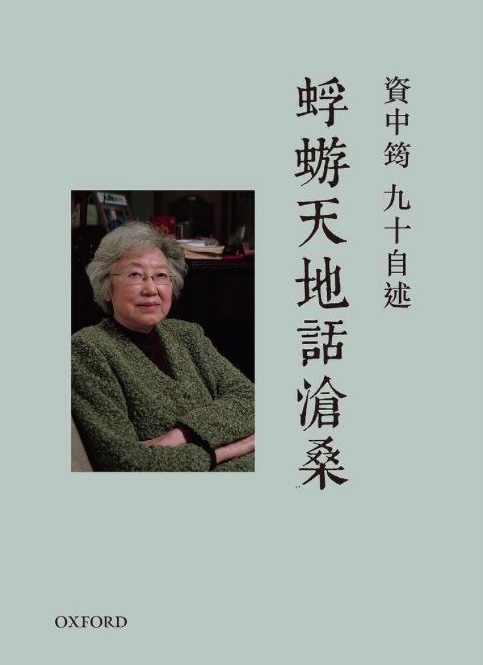
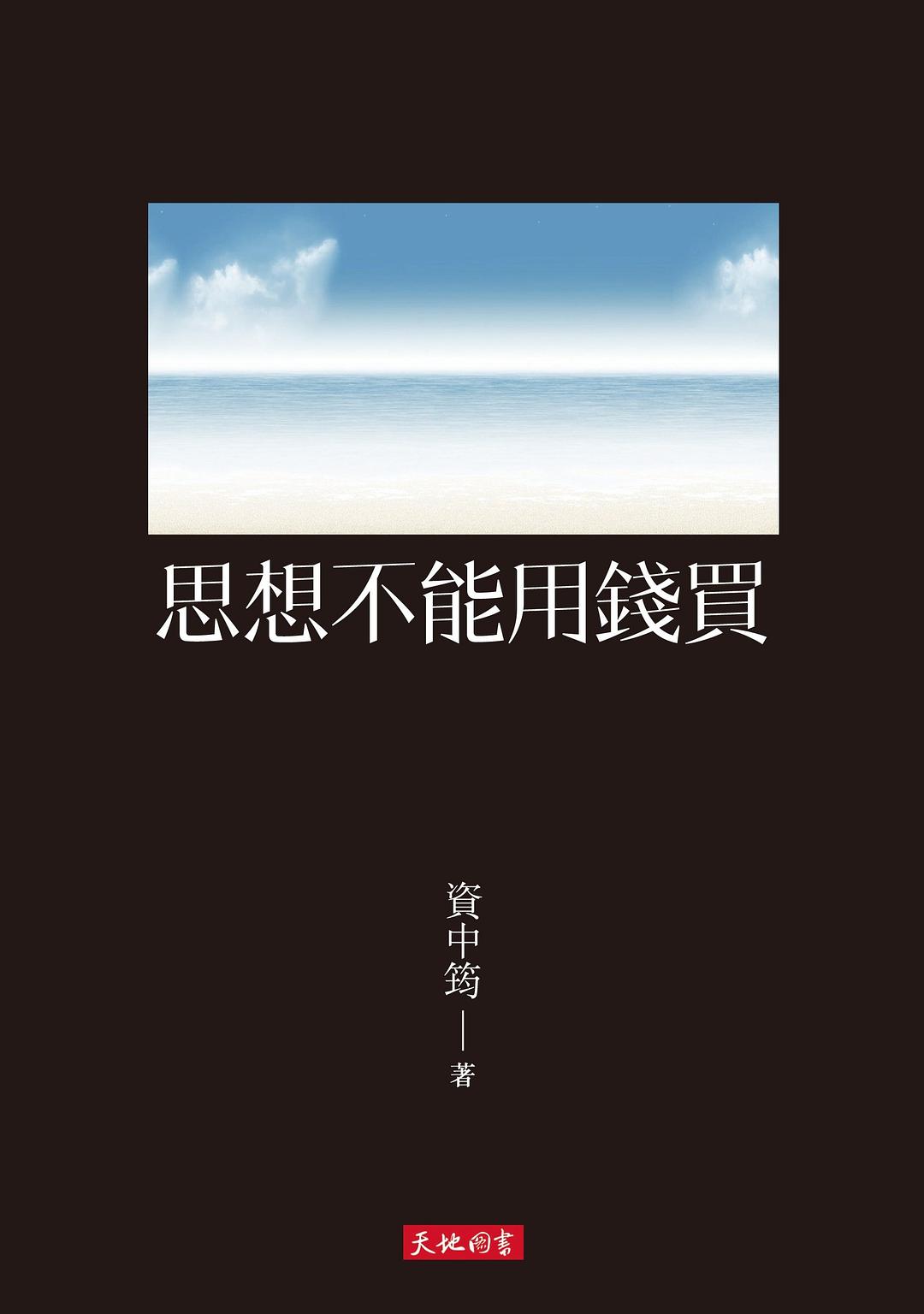
  • Collections published outside mainland China include Thought Cannot Be Bought with Money (Hong Kong, 2012); How America Came This Far (Taiwan, 2015); A Mayfly Between Heaven and Earth: Zi Zhongyun at Ninety (Hong Kong, 2019); The Predicament of Chinese Intellectuals (Hong Kong, 2020); and Essays in the Evening Light, volumes I and II (United States, 2023).
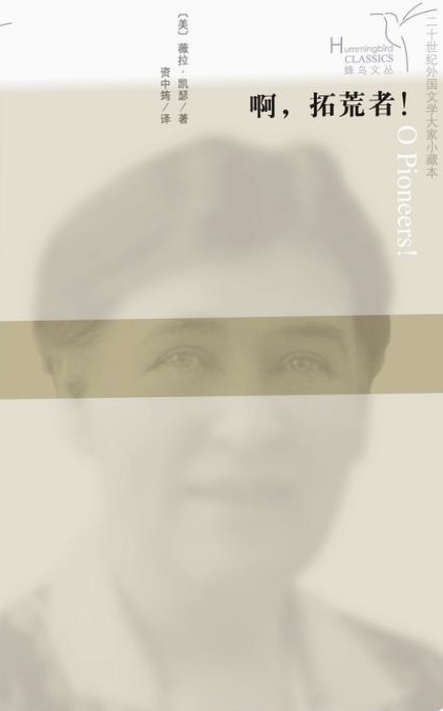
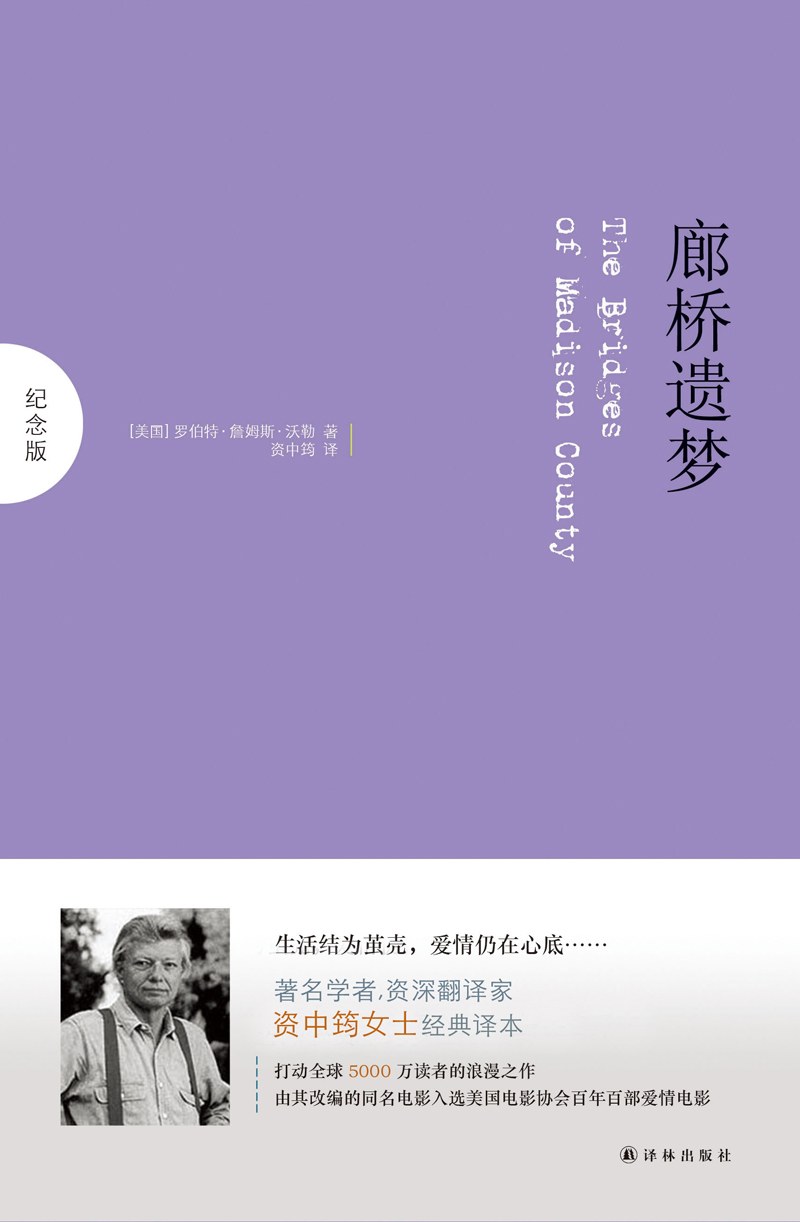
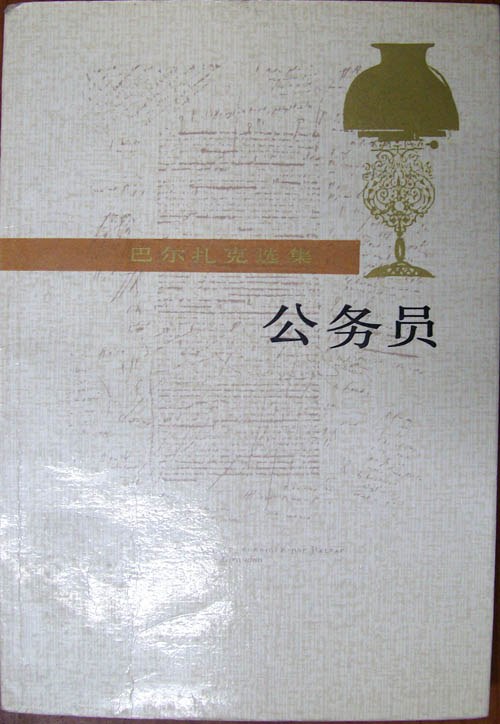
  • Her translations include Balzac’s The Government Clerks, The Black Sheep, and The Peasantry; Willa Cather’s O Pioneers!; Robert James Waller’s The Bridges of Madison County; Alain de Botton’s The Consolations of Philosophy; and additional pieces scattered across collections.
  • In 2015, established a WeChat public account that published one or two essays of varying length each week. Some posts surpassed 100,000 views; the account was permanently blocked in September 2017.
  • Her principal pastime is piano. She began studying with Liu Jinding in 1941 at age eleven and gave her first recital in Tianjin after high-school graduation in the summer of 1947. At Tsinghua she joined the orchestra and extracurricular musical activities, but had almost no contact with the piano after graduation.
  • In 1981, bought a piano in Beijing and resumed playing intermittently in her spare time. She reconnected with former Tsinghua musician friends and met regularly with them. Retirement brought more time for music and friendships with professional musicians and teachers; she performed with several violinists and at salon concerts.
  • In 2019, friends organized a concert ahead of her ninetieth birthday, bringing together professional pianists, string players, and singers with family and friends.

Featured comments

Portrait of Colin
Colin

先生的声音让我宁静,一直是先生的小粉丝

Audio Ⅰ 忘记年龄的“九零后”学者

Bibliography

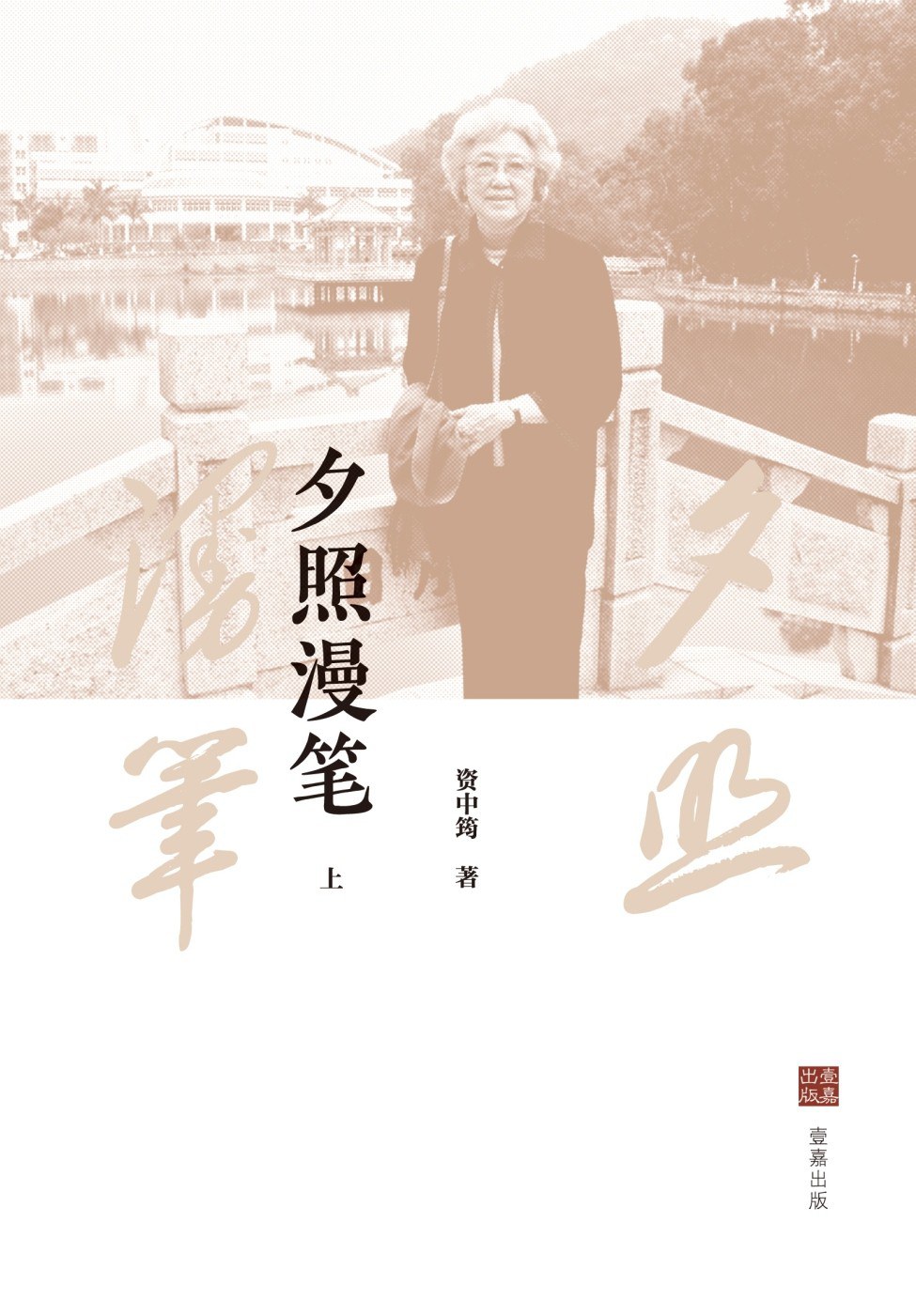
夕照漫筆:上
夕照漫筆:上
2023年6月
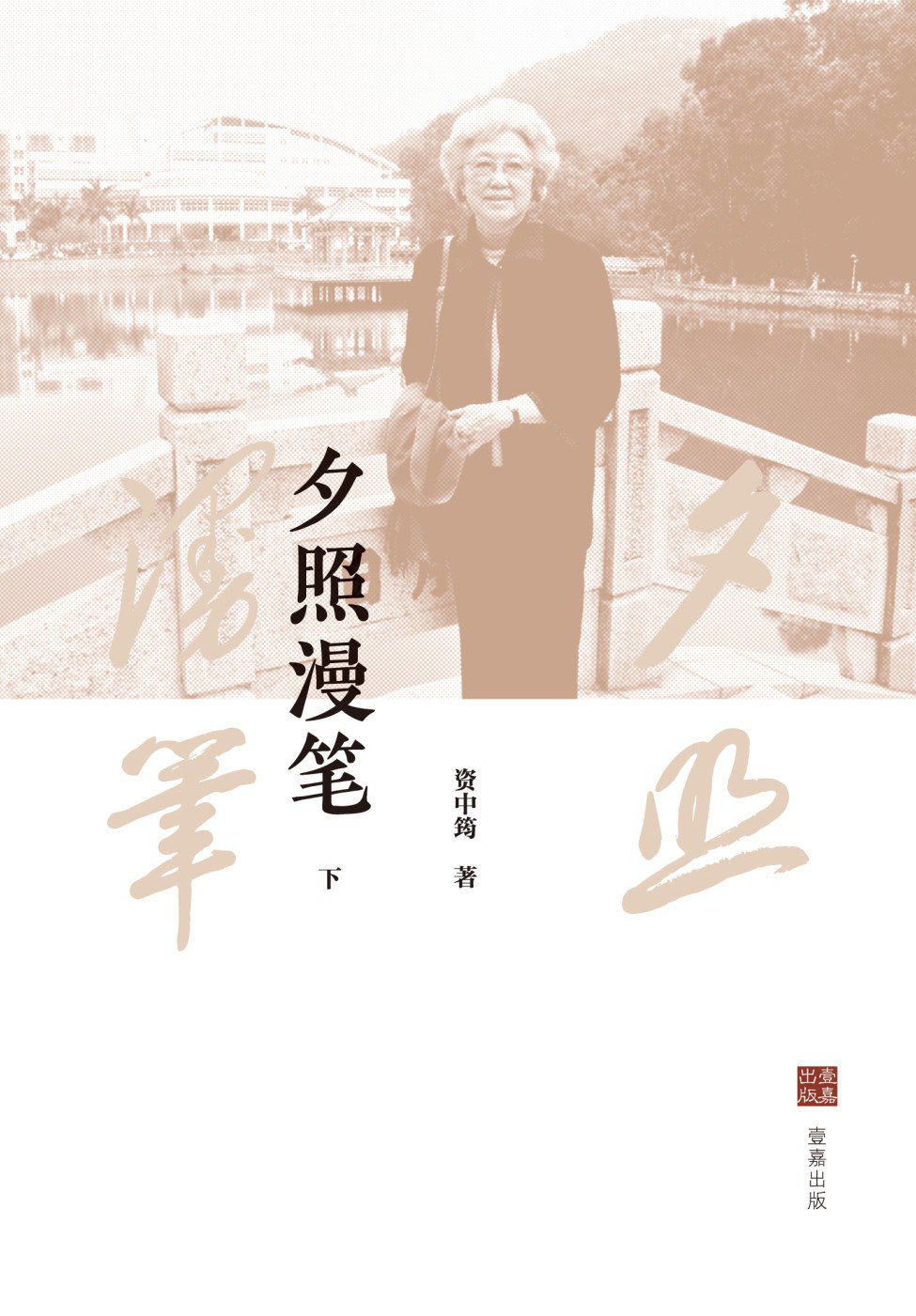
夕照漫笔:下
夕照漫笔:下
2023年6月
蜉蝣天地话沧桑:资中筠九十自述
蜉蝣天地话沧桑:资中筠九十自述
2019年8月
啊,拓荒者!
啊,拓荒者!
2018年11月
20世纪的美国(修订版)
20世纪的美国(修订版)
2018年6月
有琴一张
有琴一张
2017年6月
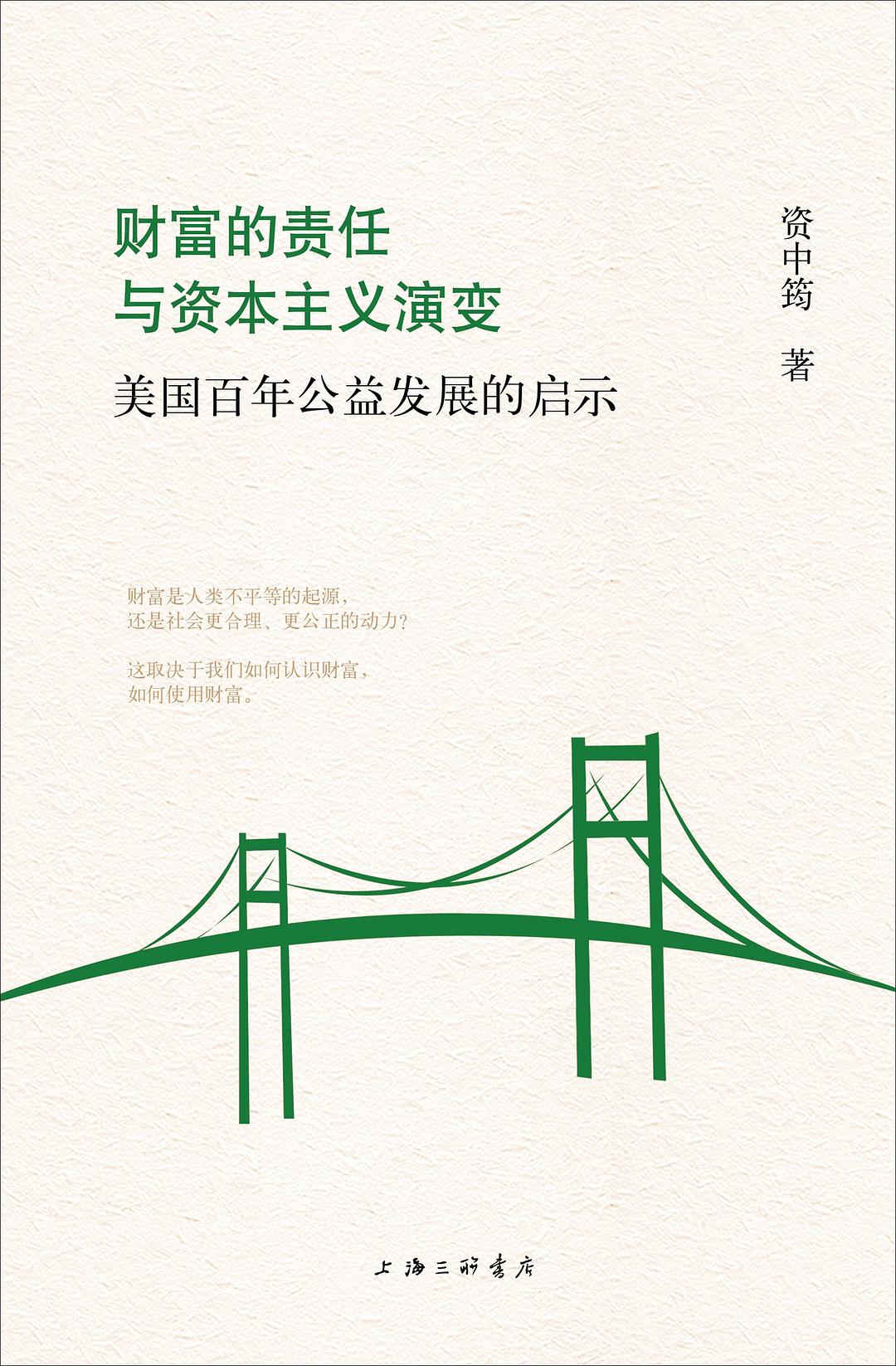
财富的责任与资本主义演变
财富的责任与资本主义演变
2015年9月
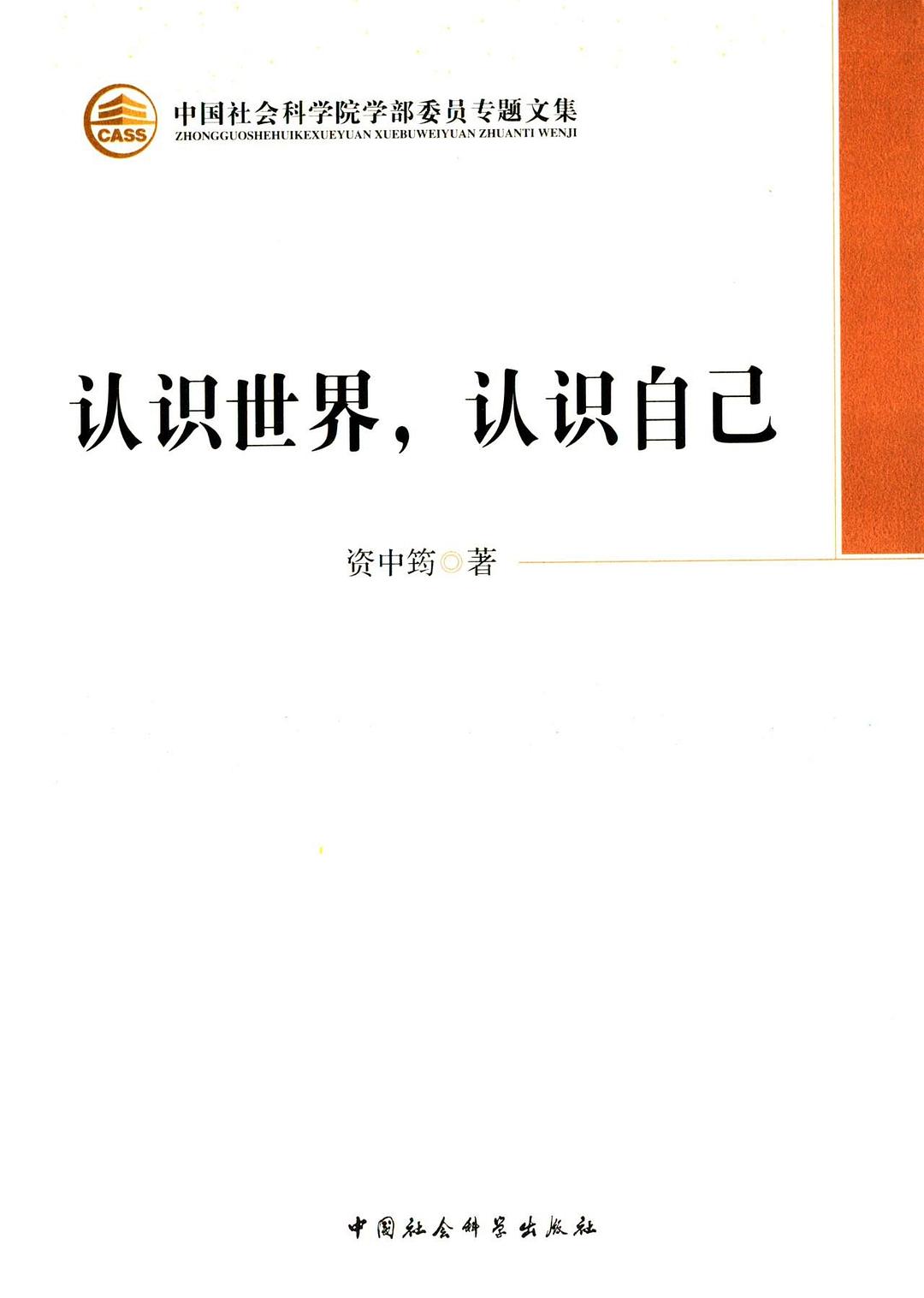
认识世界,认识自己
认识世界,认识自己
2015年7月
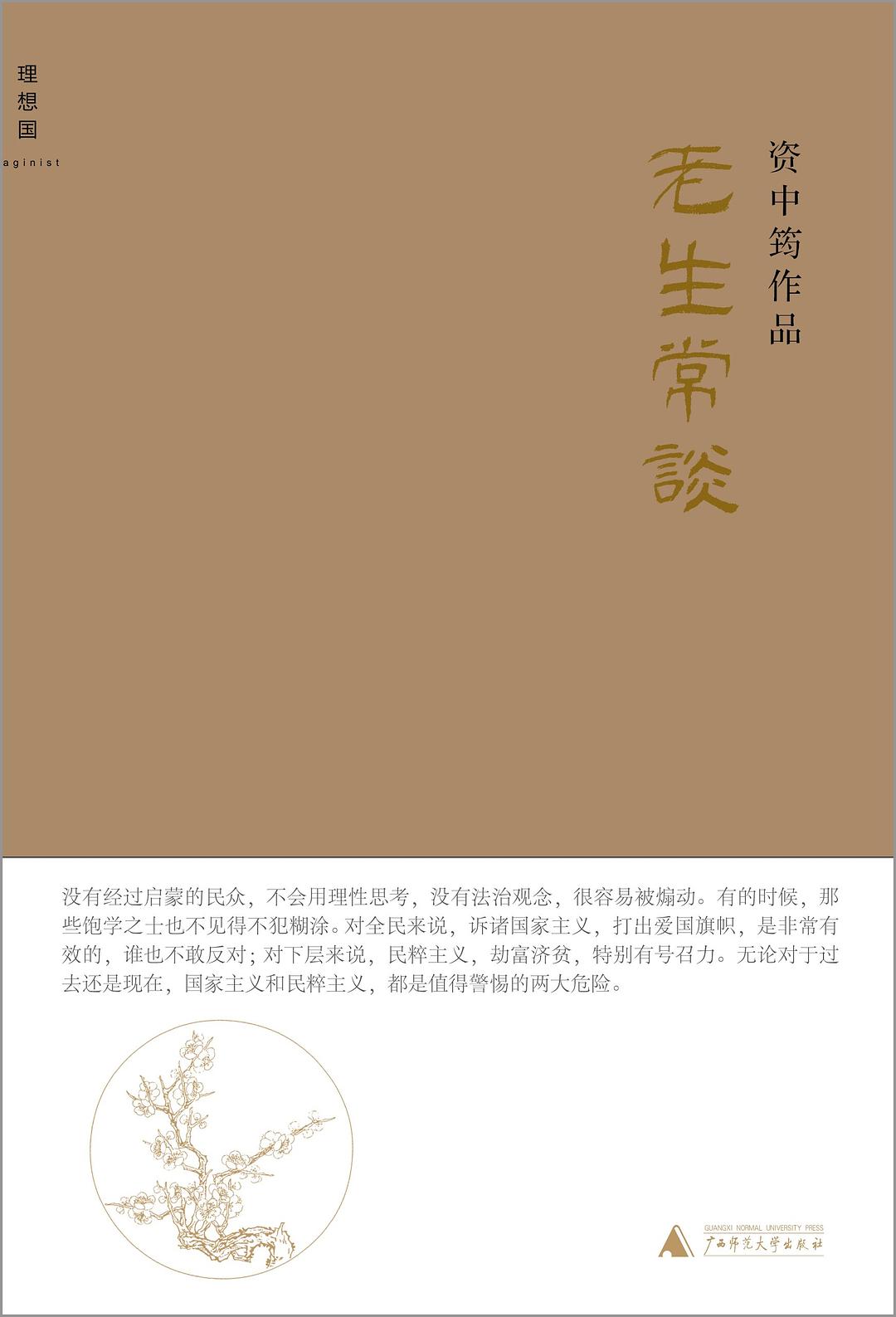
老生常谈
老生常谈
2014年1月
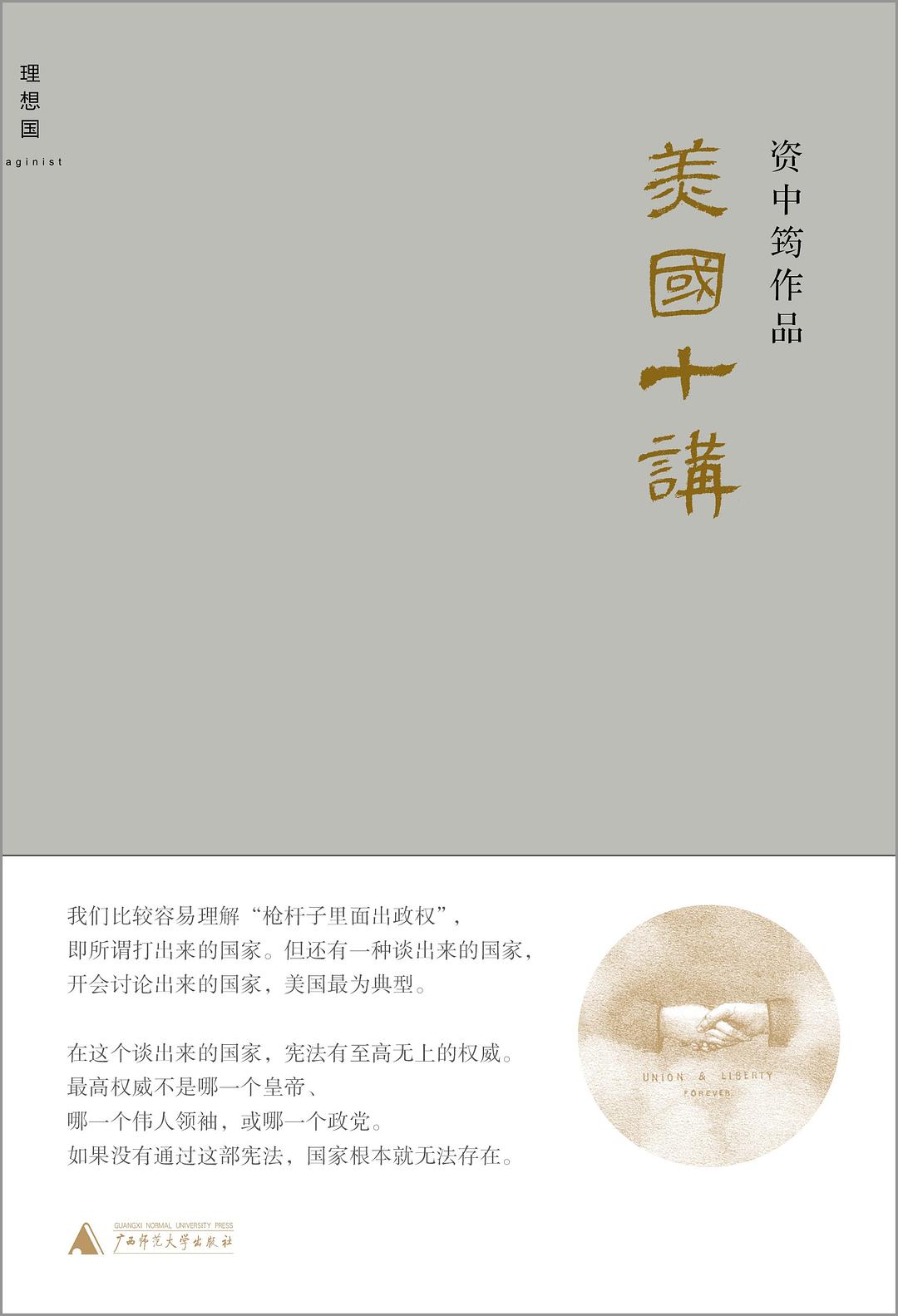
美国十讲
美国十讲
2014年1月
廊桥遗梦
廊桥遗梦
2012年8月
思想不能用錢買
思想不能用錢買
2012年7月
士人风骨
士人风骨
2011年10月
闲情记美
闲情记美
2011年10月
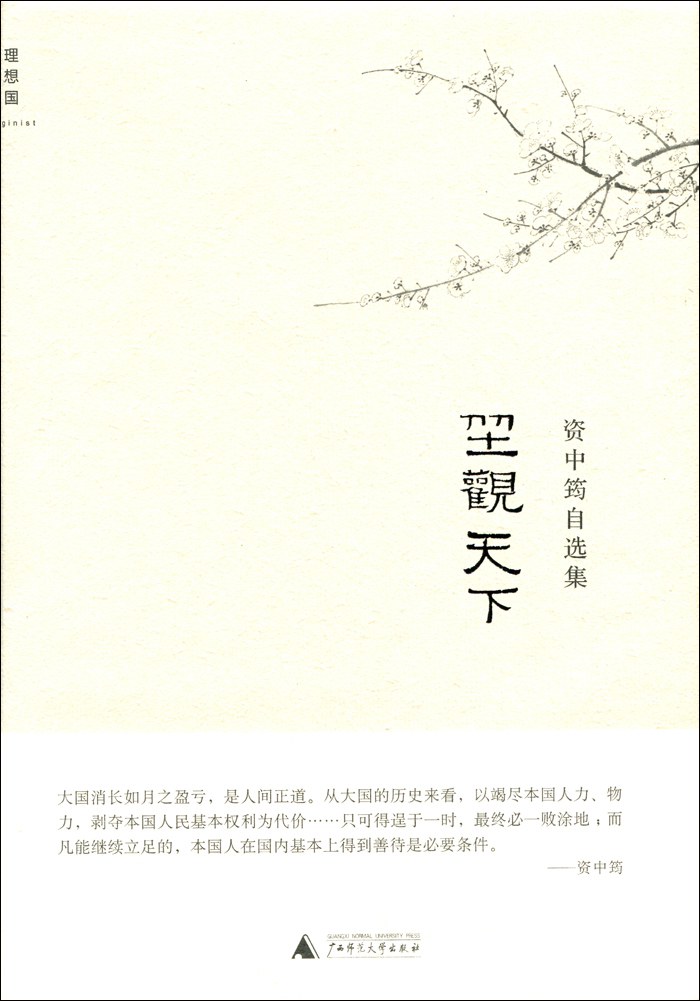
坐观天下
坐观天下
2011年10月
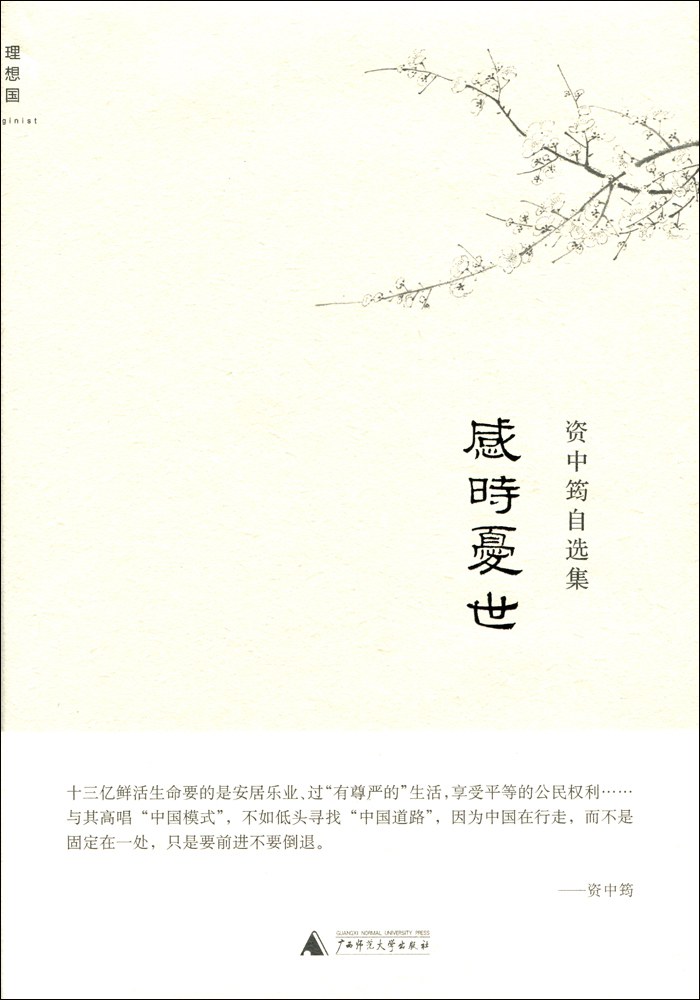
感时忧世
感时忧世
2011年10月
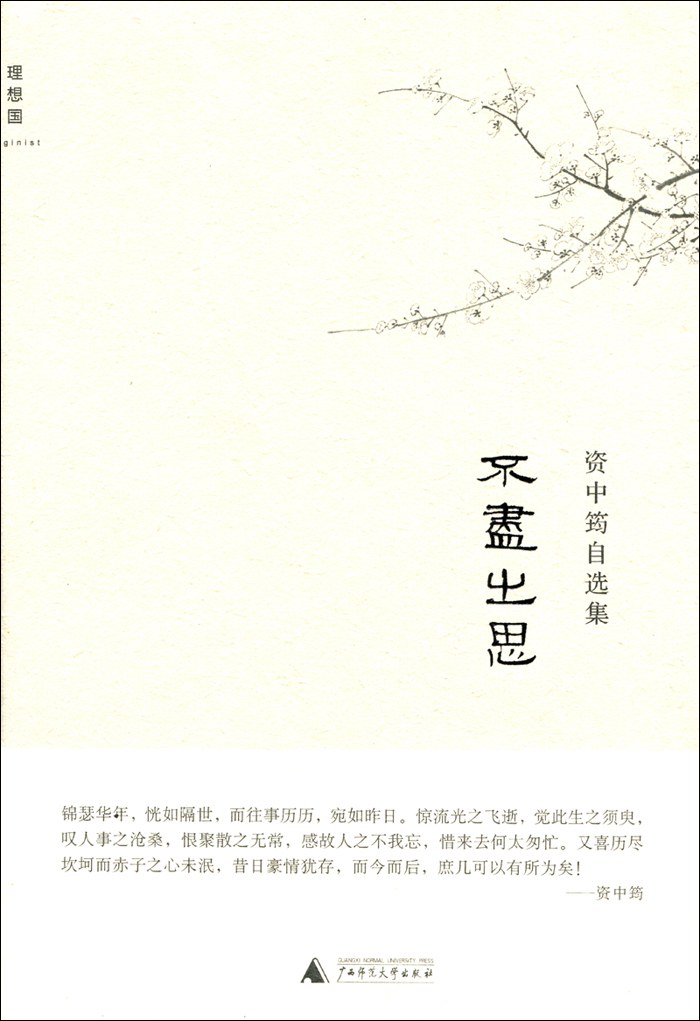
不尽之思
不尽之思
2011年10月
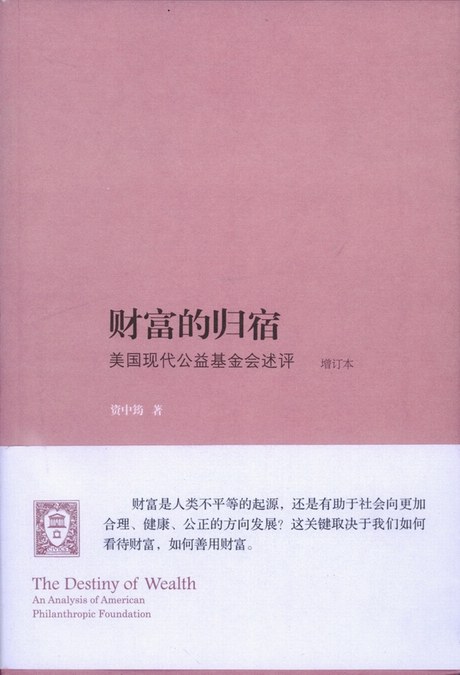
财富的归宿
财富的归宿
2011年1月
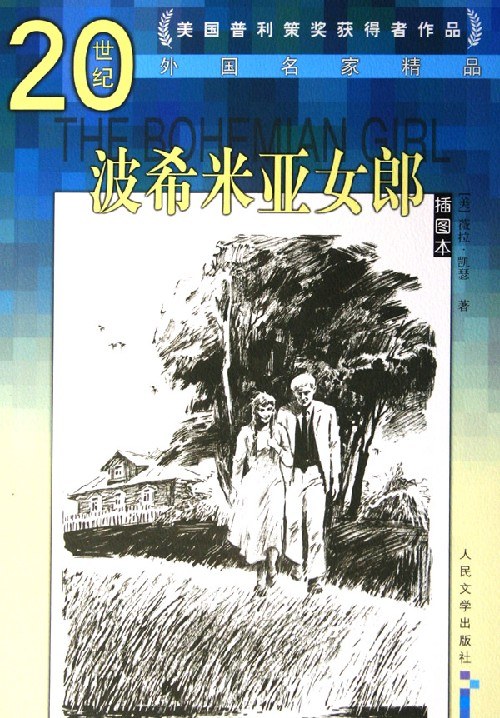
波希米亚女郎
波希米亚女郎
2006年1月
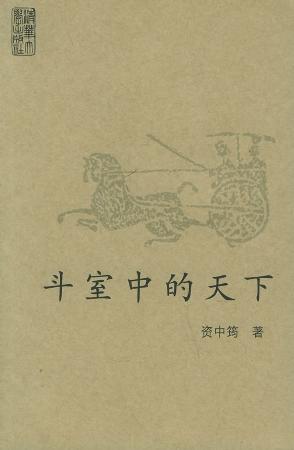
斗室中的天下
斗室中的天下
2005年12月
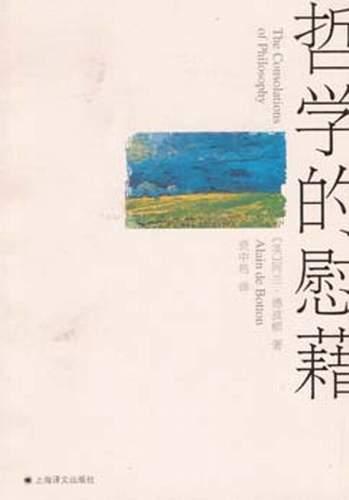
哲学的慰藉
哲学的慰藉
2004年4月
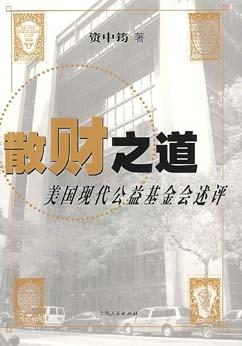
散财之道
散财之道
2003年1月
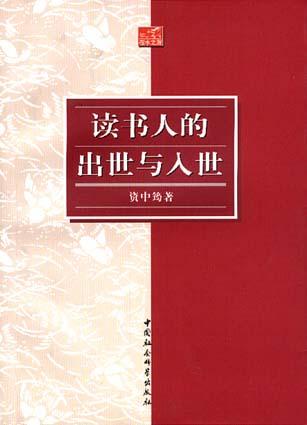
读书人的出世与入世
读书人的出世与入世
2002年2月
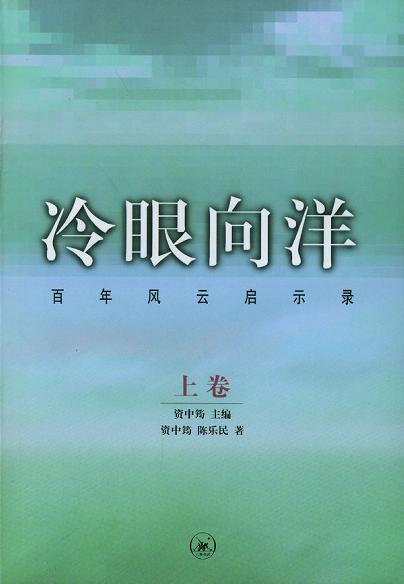
冷眼向洋(上下卷)
冷眼向洋(上下卷)
2001年4月
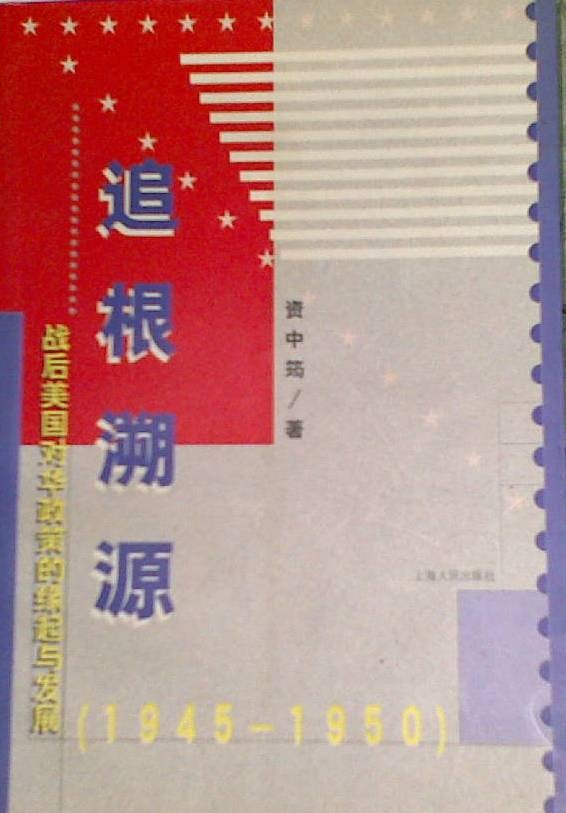
追根溯源
追根溯源
2000年10月
万象译事(第1卷)
万象译事(第1卷)
1998年7月
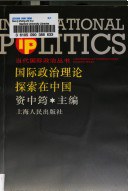
国际政治理论探索在中国
国际政治理论探索在中国
1998年1月
人间喜剧 第十四卷
人间喜剧 第十四卷
1997年8月
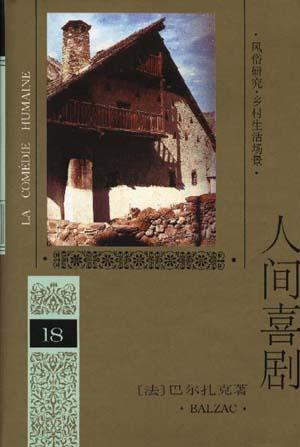
人间喜剧 第十八卷
人间喜剧 第十八卷
1997年8月
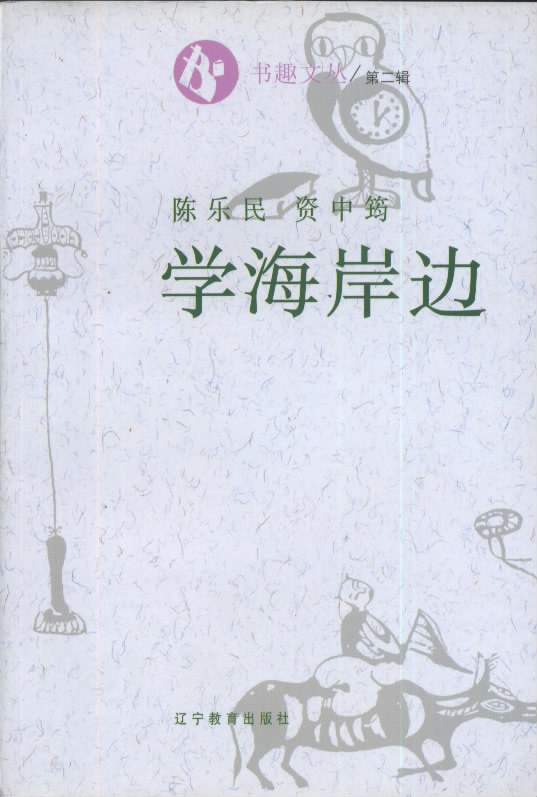
学海岸边
学海岸边
1995年10月
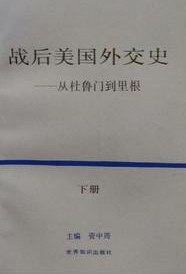
战后美国外交史
战后美国外交史
1994年1月
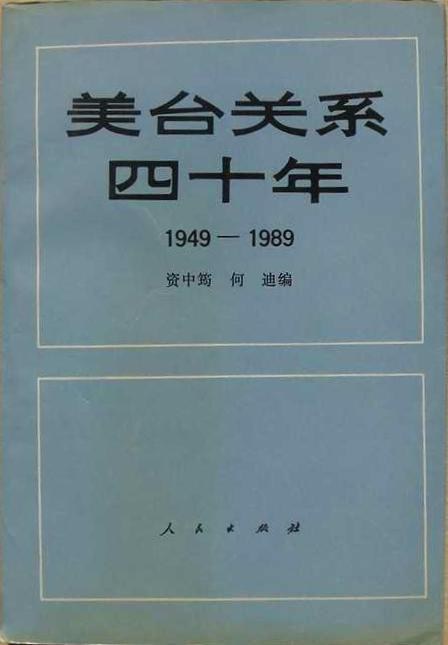
美台关系四十年
美台关系四十年
1991年11月
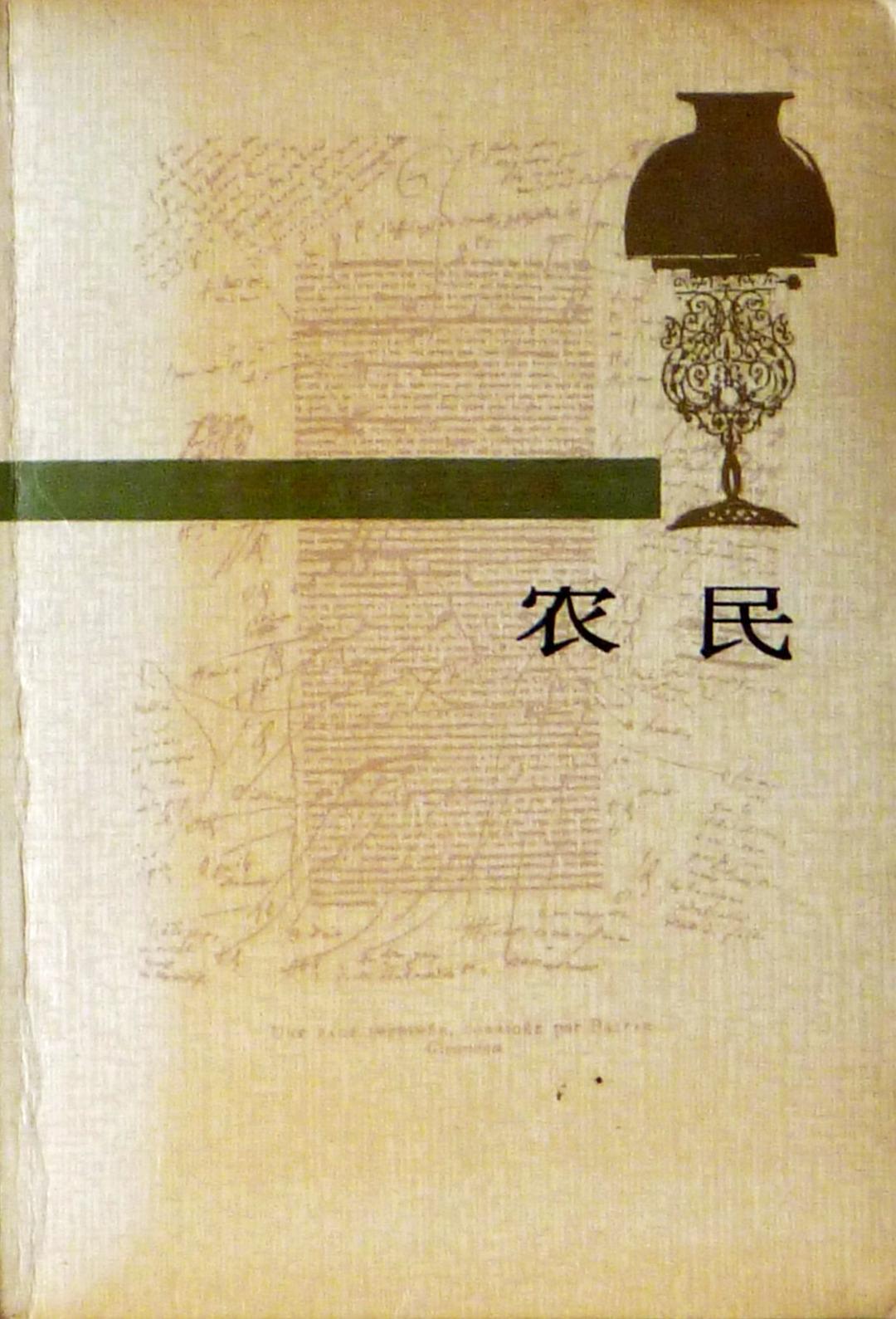
农民
农民
1989年9月
公务员
公务员
1983年8月

Subscription information

A Digital Library is an annual subscription. From the day your subscription begins, you can access all content in that scholar’s library for one year.

Each library contains an extensive and growing collection of audio, video, and written material. New items are added regularly, excluding public holidays.

This is a virtual online service. Once access has been activated, the subscription cannot be refunded.

Because of licensing restrictions, Digital Libraries are not included in Vistopia membership listening benefits. Members receive an exclusive subscription price.